
mini doodle breeders Florida
Quick Answer: The best mini doodle breeders in Florida prioritize genetic health testing, raise puppies in home environments with early socialization, and provide transparent documentation of parent dogs’ lineage and health clearances. Florida’s warm climate and large population make it one of the top states for mini doodle breeding programs, but buyers need to know how to separate responsible breeders from puppy mills and backyard operations.
Key Takeaways
- Mini doodles (mini Goldendoodles, mini Bernedoodles, mini Labradoodles) typically weigh 15–35 lbs fully grown, depending on the cross and generation.
- Responsible mini doodle breeders in Florida should provide OFA or PennHIP certifications, genetic panel results, and a written health guarantee of at least two years.
- Expect to pay between $2,500 and $5,000+ for a well-bred mini doodle puppy in Florida in 2026, with micro-sized puppies often at the higher end.
- Florida law requires breeders selling more than two litters per year to hold a state license from the Florida Department of Agriculture and Consumer Services.
- A waitlist of 2–6 months is normal for reputable breeders; immediate availability with no screening questions is a red flag.
- Always visit the breeder (in person or via live video tour) before placing a deposit.
- Florida’s heat and humidity mean your mini doodle will need grooming every 4–6 weeks and access to air conditioning year-round.
What Exactly Is a Mini Doodle?
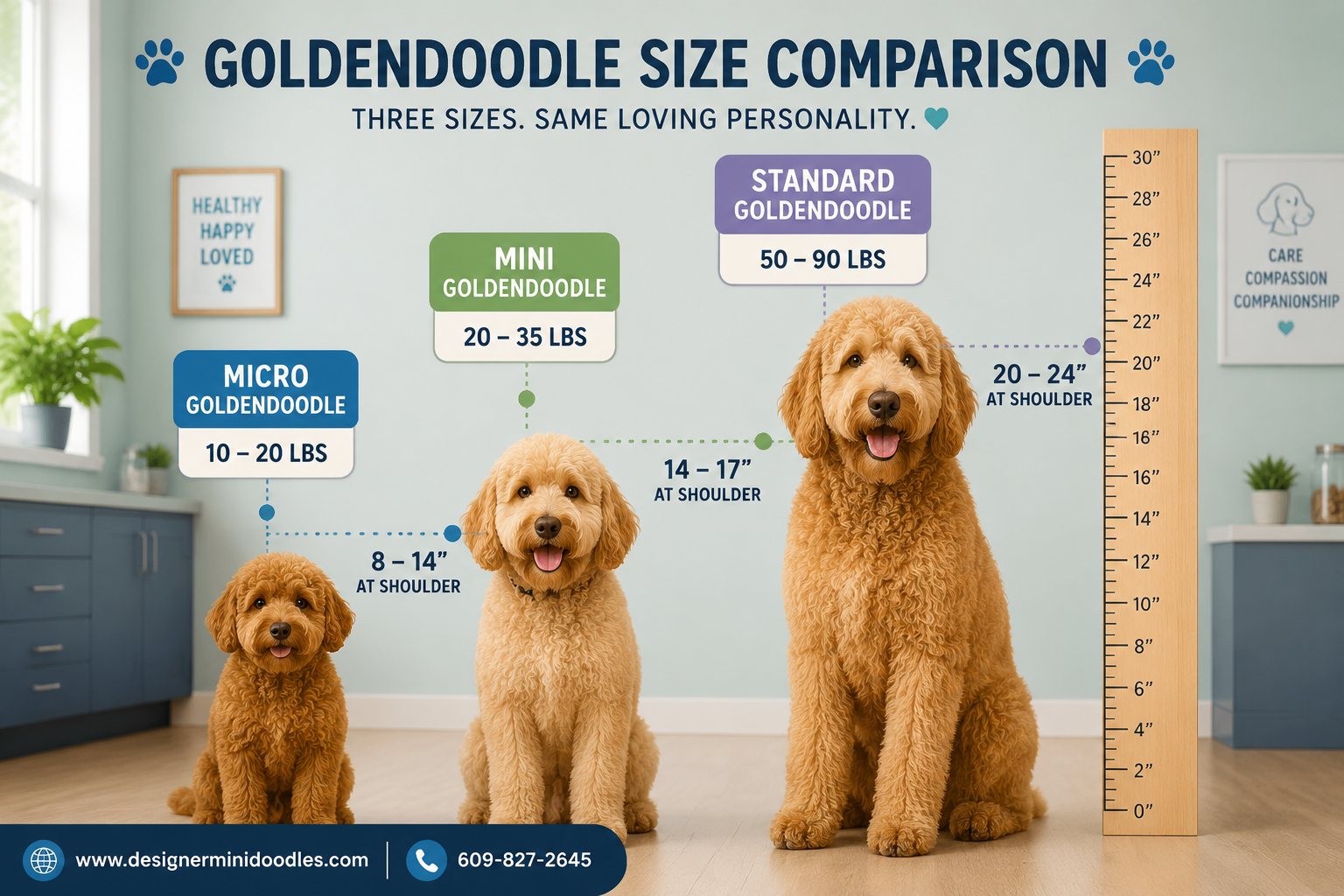
A mini doodle is a smaller version of any Poodle-cross breed, produced by breeding a standard-sized doodle parent with a Miniature or Toy Poodle. The most popular mini doodle varieties in Florida include:
- Mini Goldendoodle — Golden Retriever × Miniature Poodle (15–35 lbs)
- Micro Goldendoodle — Bred down further, typically 10–20 lbs
- Mini Bernedoodle — Bernese Mountain Dog × Miniature Poodle (20–40 lbs)
- Mini Labradoodle — Labrador Retriever × Miniature Poodle (15–30 lbs)
- Mini Cavapoo — Cavalier King Charles Spaniel × Miniature or Toy Poodle (8–18 lbs)
The “mini” label isn’t standardized across the industry, so always ask a breeder for the expected adult weight range based on the specific parent dogs. A breeder who can’t give you a clear weight estimate based on their own breeding history is one to skip.
For a deeper look at miniature Goldendoodle breeders and what sets them apart, that resource breaks down generation types (F1, F1B, F2B) and how they affect size and coat.
| Doodle Type | Typical Adult Weight | Coat Type | Shedding Level |
|---|---|---|---|
| Mini Goldendoodle | 15–35 lbs | Wavy to curly | Low to minimal |
| Micro Goldendoodle | 10–20 lbs | Curly | Minimal |
| Mini Bernedoodle | 20–40 lbs | Wavy to curly | Low |
| Mini Labradoodle | 15–30 lbs | Wavy to fleece | Low to moderate |
| Mini Cavapoo | 8–18 lbs | Soft wavy | Low |
How to Find Reputable Mini Doodle Breeders in Florida
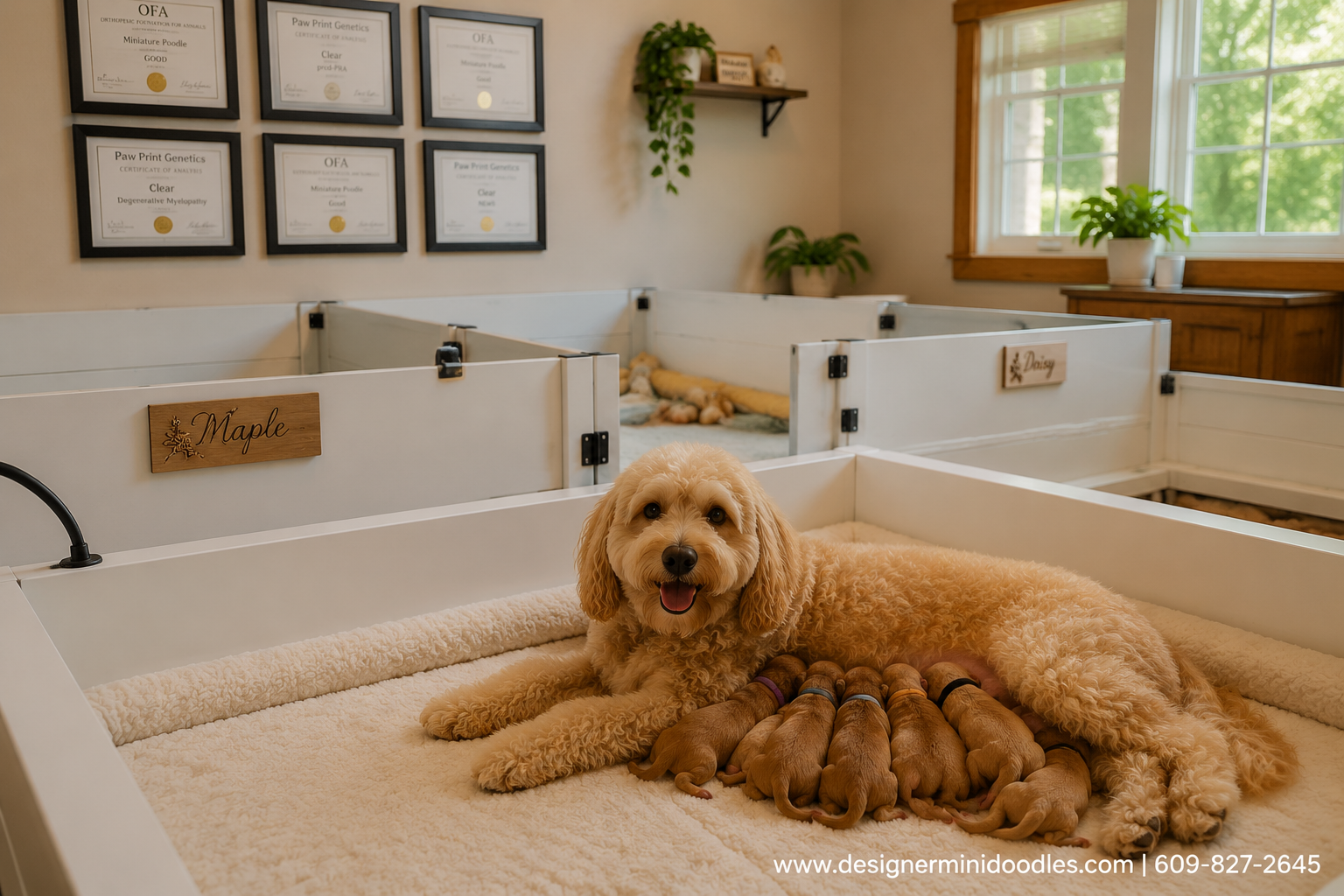
The single most important step is verifying health testing. A reputable breeder will have completed, at minimum, OFA hip and elbow evaluations, cardiac exams, and a genetic disease panel (testing for conditions like progressive retinal atrophy, von Willebrand’s disease, and degenerative myelopathy) on both parent dogs.
Here’s what to look for and what to avoid:
Green flags:
- Health testing results posted publicly or shared before you ask
- Puppies raised inside the home, not in outdoor kennels
- A structured Early Neurological Stimulation (ENS) or Puppy Culture socialization program
- Written contract with a 2-year (or longer) health guarantee
- Breeder asks you questions about your home, lifestyle, and experience with dogs
- Willingness to do a live video call showing the puppies and parents
- Limited number of litters per year (typically 2–6 for a small program)
Red flags:
- Multiple breeds available at all times with no waitlist
- No health testing documentation or vague claims like “vet checked”
- Pressure to send a deposit immediately
- Unwillingness to show the mother dog
- Shipping puppies without any screening of the buyer
- Prices significantly below market rate (under $1,500 in 2026)
If you’re specifically searching for mini and micro Goldendoodle breeders in Florida, start there for a curated list of programs that meet these standards.
What Should Mini Doodle Breeders in Florida Test For?
Every responsible mini doodle breeding program in Florida should test parent dogs for breed-specific genetic conditions before any mating occurs. The exact panel depends on the cross, but here are the essentials:
For Mini Goldendoodles:
- Hip dysplasia (OFA or PennHIP)
- Elbow dysplasia (OFA)
- Eye exam (CERF or OFA)
- Cardiac evaluation
- Genetic panel: PRA-prcd, PRA1, PRA2, Ichthyosis, vWD, DM, Neonatal Encephalopathy
For Mini Bernedoodles:
- All of the above, plus DM (degenerative myelopathy), which is prevalent in Bernese Mountain Dogs
Choose a breeder who tests if: you want to minimize the risk of expensive veterinary bills and heartbreak from preventable genetic diseases. Choose to walk away if a breeder says “my dogs are healthy, they don’t need testing” — that’s not how genetics works.
A common mistake buyers make is accepting a “vet health check” as equivalent to genetic testing. A vet check confirms a puppy appears healthy today. Genetic testing reveals whether a puppy carries genes for diseases that may appear months or years later. These are completely different things.
How Much Do Mini Doodle Puppies Cost in Florida?
In 2026, mini doodle puppies from reputable Florida breeders typically cost between $2,500 and $5,000. Several factors influence the price:
- Size: Micro and petite mini doodles (under 15 lbs) command higher prices because they require more generations of careful breeding.
- Coat color: Rare colors like red, parti, phantom, or merle often cost $500–$1,500 more than standard cream or apricot.
- Generation: F1B and multigenerational doodles (more predictable coats and sizes) tend to be priced higher than F1 crosses.
- Breeder reputation: Programs with years of documented health testing, positive reviews, and established waitlists charge more because demand exceeds supply.
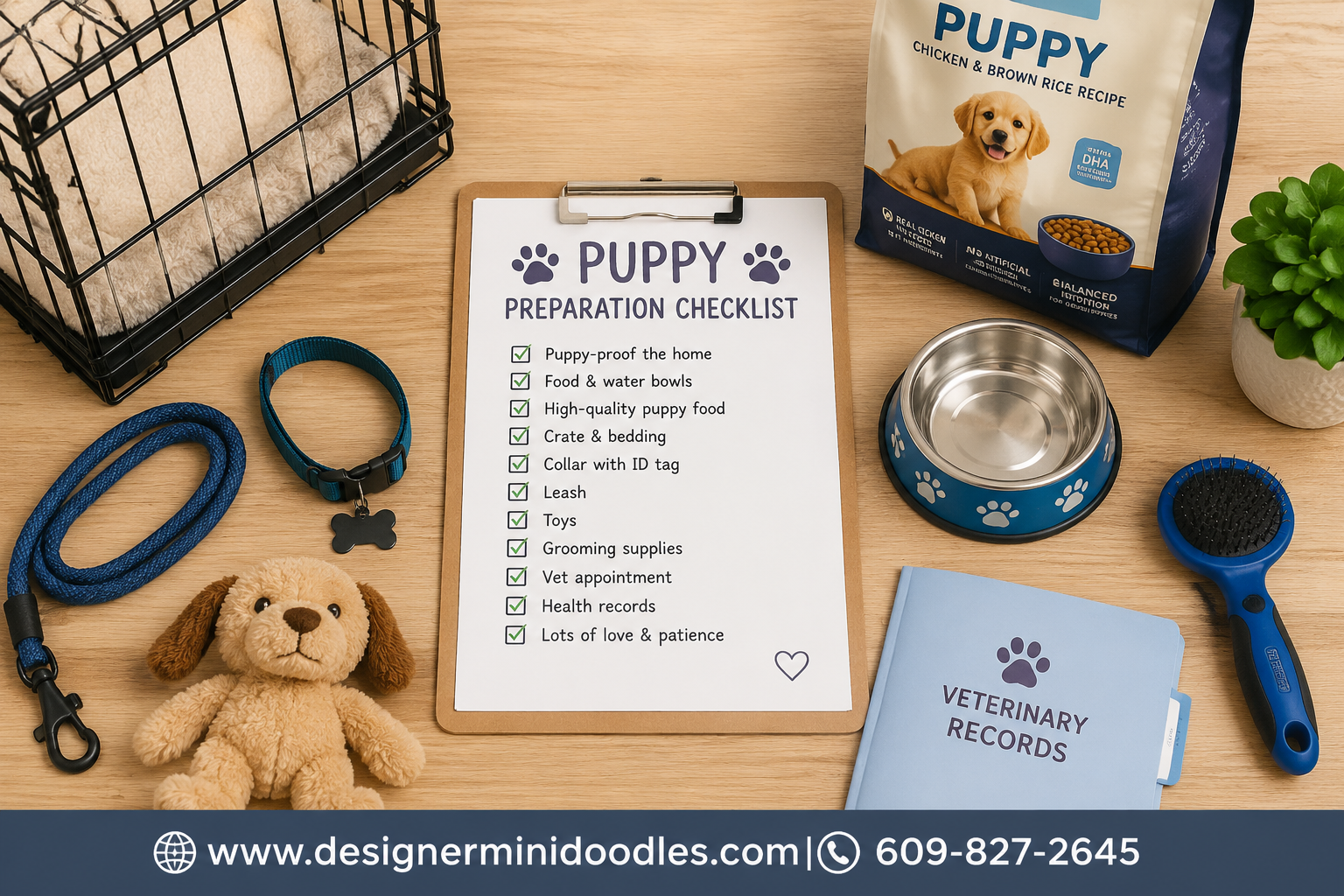
- Included services: Some breeders include spay/neuter, microchipping, initial vaccinations, a puppy starter kit, and lifetime breeder support in the price.
Beyond the purchase price, budget for these first-year costs:
| Expense | Estimated Cost |
|---|---|
| Veterinary visits (first year) | $500–$800 |
| Spay/neuter (if not included) | $300–$600 |
| Grooming (every 4–6 weeks) | $600–$1,000/year |
| Food (high-quality small breed) | $400–$700/year |
| Training classes | $200–$500 |
| Supplies (crate, bed, leash, etc.) | $300–$500 |
For a detailed breakdown of ongoing ownership expenses for smaller doodles, see this guide on cost-of-ownership clarity for micro Goldendoodles.
Why Florida Is a Popular State for Mini Doodle Breeding
Florida ranks among the top states in the U.S. for doodle breeding programs, and there are practical reasons for this beyond just population size.
Year-round mild weather allows breeders to give puppies outdoor socialization experiences from a young age. Puppies raised in Florida are often exposed to thunderstorms, diverse sounds, and varied environments early in life, which builds resilience.
Large retiree and family populations create strong demand for companion-sized dogs. Mini doodles fit well in Florida condos, retirement communities, and family homes alike. If you’re considering whether a micro-sized doodle suits apartment or condo living, this article on micro Goldendoodles for apartment and urban living covers the topic in detail.
Florida-specific considerations for doodle owners:
- Heat management is critical. Mini doodles with thick, curly coats can overheat quickly. Walk early morning or after sunset during summer months.
- Fleas, ticks, and heartworm are year-round concerns in Florida. Budget for 12 months of prevention, not just seasonal.
- Many Florida HOAs and condo associations have weight limits (often 25 or 35 lbs), making mini and micro doodles an ideal fit.
What Questions Should You Ask Mini Doodle Breeders in Florida?
Before placing a deposit, ask these questions. A good breeder will answer all of them without hesitation:
- Can I see the health testing results for both parents? (Expect OFA numbers or Embark/Paw Print Genetics results.)
- Where are the puppies raised? (The answer should be “in our home,” not a kennel or barn.)
- What socialization program do you follow? (Look for Puppy Culture, ENS, or a structured equivalent.)
- What is your health guarantee, and what does it cover? (Two years minimum for genetic conditions.)
- Can I meet the mother dog in person or via video? (If the answer is no, walk away.)
- How many litters do you produce per year? (More than 6–8 litters from a small program is a concern.)
- What happens if I can no longer keep the dog? (Responsible breeders require the dog be returned to them, not rehomed independently.)
- What size are your previous puppies at full maturity? (A breeder with experience should have data from past litters.)
Common mistake: Buyers often feel awkward asking pointed questions. Don’t. A responsible breeder welcomes scrutiny because it shows you’re a serious, committed owner. If a breeder gets defensive or evasive, that tells you everything you need to know.
Mini Doodle vs. Standard Doodle: Which Is Right for You?
Choose a mini doodle if you live in a smaller space, want a travel-friendly dog, or prefer a dog that’s easier to physically manage. Choose a standard doodle if you want a hiking or running partner, have a large yard, and don’t mind a 50–70 lb dog.
Pros of mini doodles:
- Fit under airline seat size limits (for cabin travel)
- Lower food and medication costs
- Easier for seniors, children, and people with mobility limitations to handle
- Meet most HOA and apartment weight restrictions
Cons of mini doodles:
- Can be more fragile, especially micro-sized puppies under 10 lbs
- May have higher purchase prices than standard-sized doodles
- Some mini doodles inherit the Toy Poodle’s tendency toward dental issues
- Smaller bladders mean more frequent potty breaks, especially as puppies
For families with kids, this guide on micro Goldendoodles in family households addresses safety, temperament, and supervision tips.
What to Expect After Bringing Your Mini Doodle Puppy Home
The first 30 days set the foundation for your puppy’s behavior and bond with your family. Here’s a practical timeline:
Week 1: Settling in
- Keep the environment calm and quiet
- Establish a consistent potty schedule (every 1–2 hours for young puppies)
- Begin crate training on night one
- Avoid overwhelming the puppy with visitors
Weeks 2–3: Building routine
- Start basic commands (sit, name recognition, come)
- Introduce grooming tools (brush, nail clipper) without pressure
- Begin short socialization outings (carry the puppy if not fully vaccinated)
- Schedule your first vet visit if the breeder hasn’t already completed one
Week 4: Expanding the world
- Enroll in a puppy socialization class
- Introduce car rides, different floor surfaces, and household sounds
- Begin leash training in low-distraction environments
For breed-specific training advice, this resource on training a mini Bernedoodle puppy covers positive reinforcement techniques that work well across all mini doodle varieties.
Exploring Available Mini Doodle Puppies
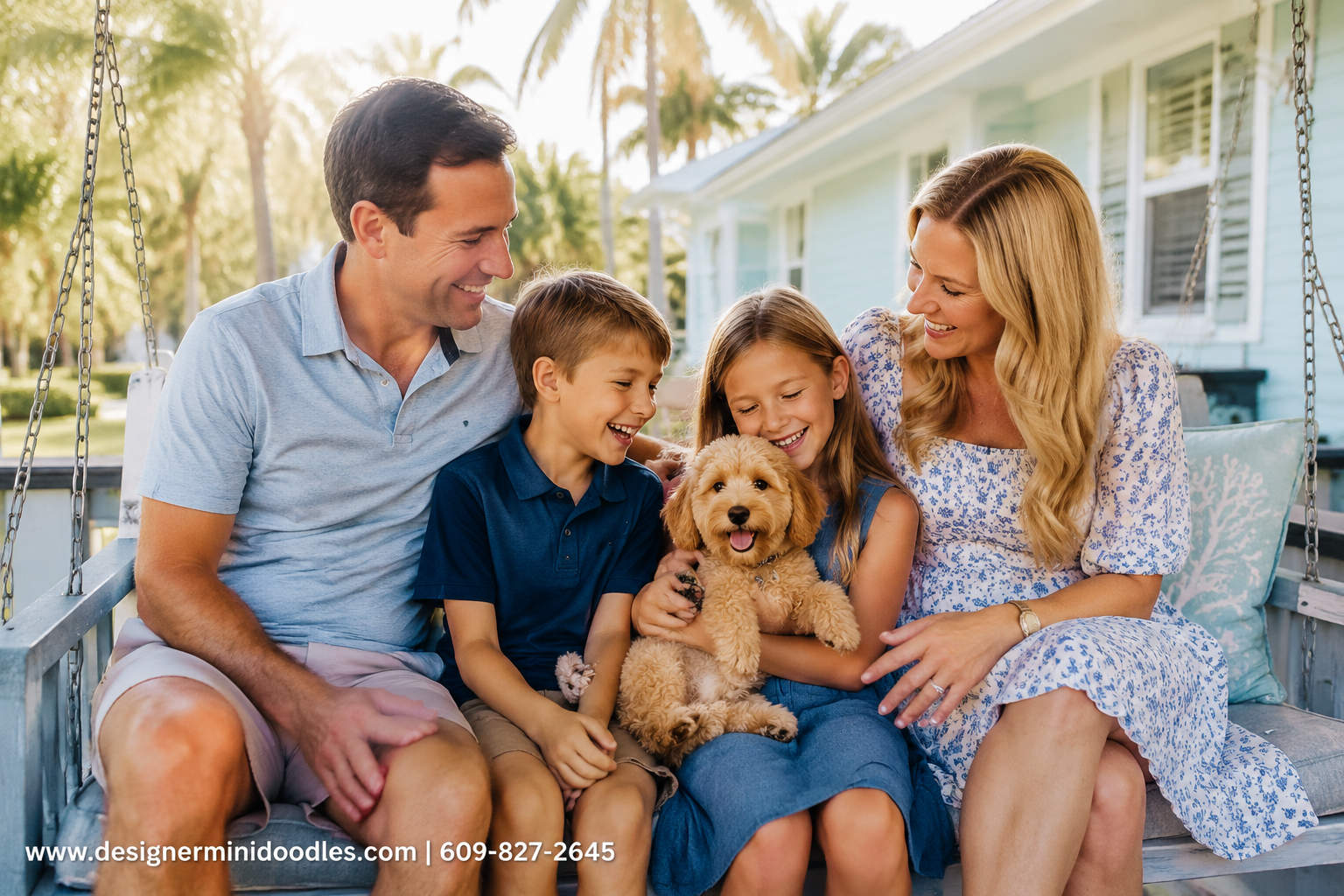
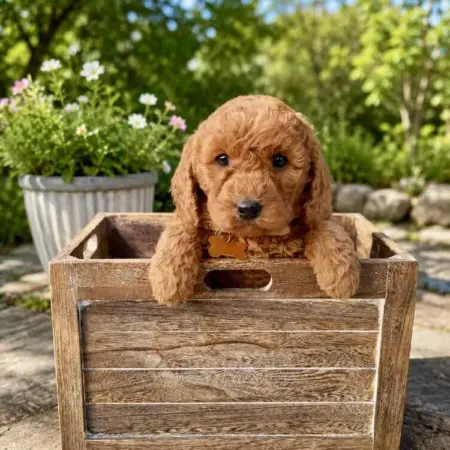
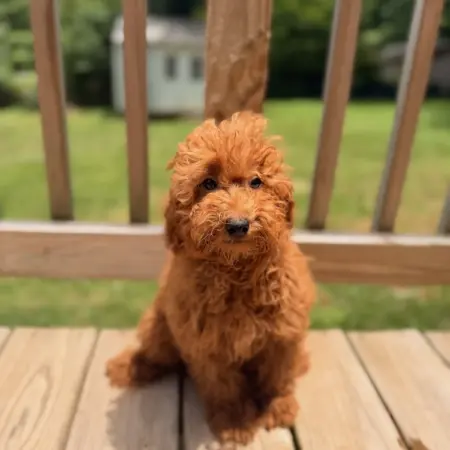
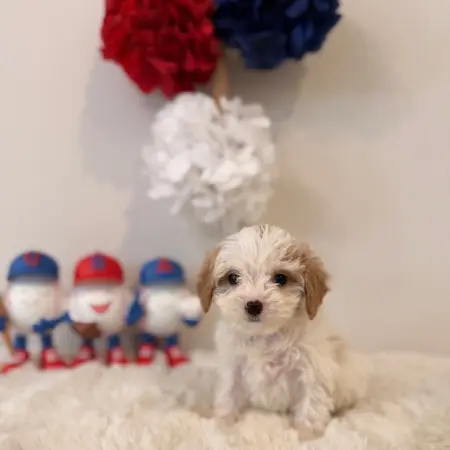
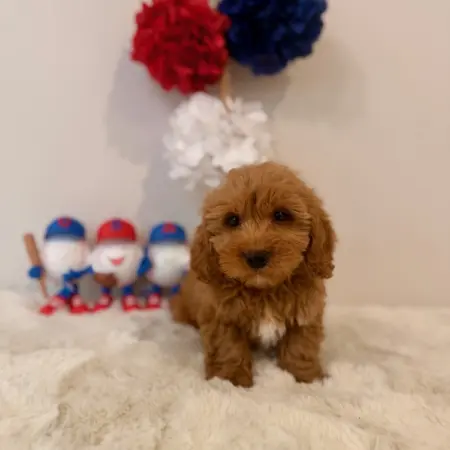
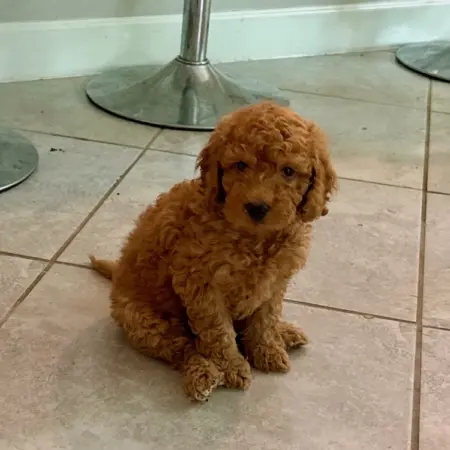
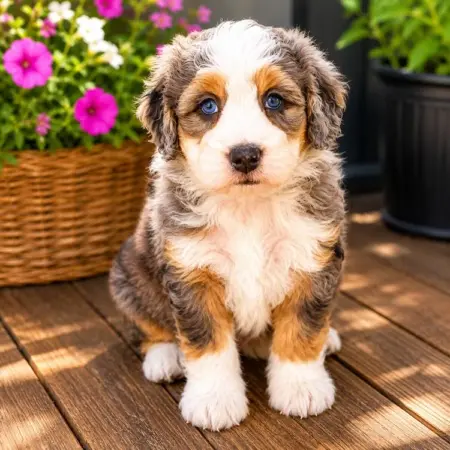
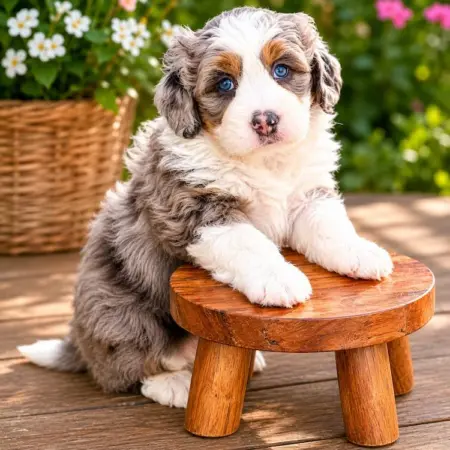
If you’re ready to take the next step, browse currently available mini doodle puppies and micro mini Goldendoodles in Florida from health-tested parents.
- Display 9 Products per page
Frequently Asked Questions
How big do mini doodles get?
Most mini doodles reach 15–35 lbs at full maturity, depending on the breed cross and generation. Micro varieties stay under 20 lbs. Always ask your breeder for weight projections based on their specific parent dogs.
Are mini doodles hypoallergenic?
No dog is truly hypoallergenic, but mini doodles with curlier, Poodle-dominant coats produce significantly less dander and shed minimally. F1B and multigenerational crosses tend to be the best choice for allergy-conscious homes.
How long do mini doodles live?
Mini doodles generally live 12–16 years. Smaller dogs tend to live longer than larger ones, and proper health testing of parent dogs reduces the risk of life-shortening genetic conditions.
Do mini doodle breeders in Florida ship puppies?
Many do, but reputable breeders prefer in-person pickup or use a flight nanny service rather than cargo shipping. Some breeders will only ship after a video call and thorough buyer screening.
What generation mini doodle is best?
F1B (75% Poodle, 25% other breed) is the most popular generation for families wanting a low-shedding coat. F1 crosses offer more genetic diversity but have less predictable coats. Multigenerational crosses give the most consistency in size and coat type.
Is Florida too hot for a mini doodle?
Mini doodles do fine in Florida as long as they have access to air conditioning and aren’t exercised during peak heat. Keep walks to early morning or evening, provide plenty of water, and maintain a shorter grooming clip during summer months.
How do I know if a Florida breeder is licensed?
Florida requires breeders producing more than two litters per year to be licensed through the Florida Department of Agriculture and Consumer Services. You can verify a breeder’s license status through the department’s online database.
What’s the difference between a mini doodle and a toy doodle?
A toy doodle is bred using a Toy Poodle (under 10 lbs) instead of a Miniature Poodle (10–15 lbs), resulting in an even smaller adult dog, typically under 15 lbs. Toy doodles are sometimes called “micro” or “petite” doodles.
Can I visit the breeder before committing?
Yes, and you should. Any breeder who refuses an in-person visit or live video tour of their facility is not one you should buy from. Visiting lets you see the conditions puppies are raised in and meet the parent dogs.
Do mini doodles need a lot of grooming?
Yes. Plan on professional grooming every 4–6 weeks and daily brushing at home to prevent matting. Florida’s humidity can make coats mat faster, so staying on top of grooming is especially important here.
Conclusion
Finding the right mini doodle breeders in Florida comes down to doing your homework before falling in love with a puppy photo. Verify health testing, ask tough questions, visit the breeder, and budget realistically for both the purchase price and ongoing care.
Your next steps:
- Review the breeder checklist in this article and use it as a screening tool.
- Browse mini and micro Goldendoodle breeders in Florida to start building your shortlist.
- Reach out to 2–3 breeders, ask the questions outlined above, and compare their responses.
- Get on a waitlist early — the best mini doodle breeders often have wait times of several months.
- Prepare your home, schedule a vet appointment, and enjoy the anticipation. A well-bred mini doodle from a responsible Florida breeder will be worth every bit of the wait.
For questions or to learn about currently available puppies, contact Designer Mini Doodles at 609-827-2645 or visit www.designerminidoodles.com