

mini goldendoodles Long Island
A well-bred mini goldendoodle in Nassau or Suffolk County typically costs between $3,500 and $6,500 in 2026, weighs 15 to 30 pounds full-grown, and lives 12 to 15 years. If you’re comparing breeders across Long Island, the difference between a healthy family companion and a lifetime of vet bills usually comes down to genetics, early neurological stimulation, and how the breeder starts each puppy before you ever pick them up.
mini goldendoodles Long Island
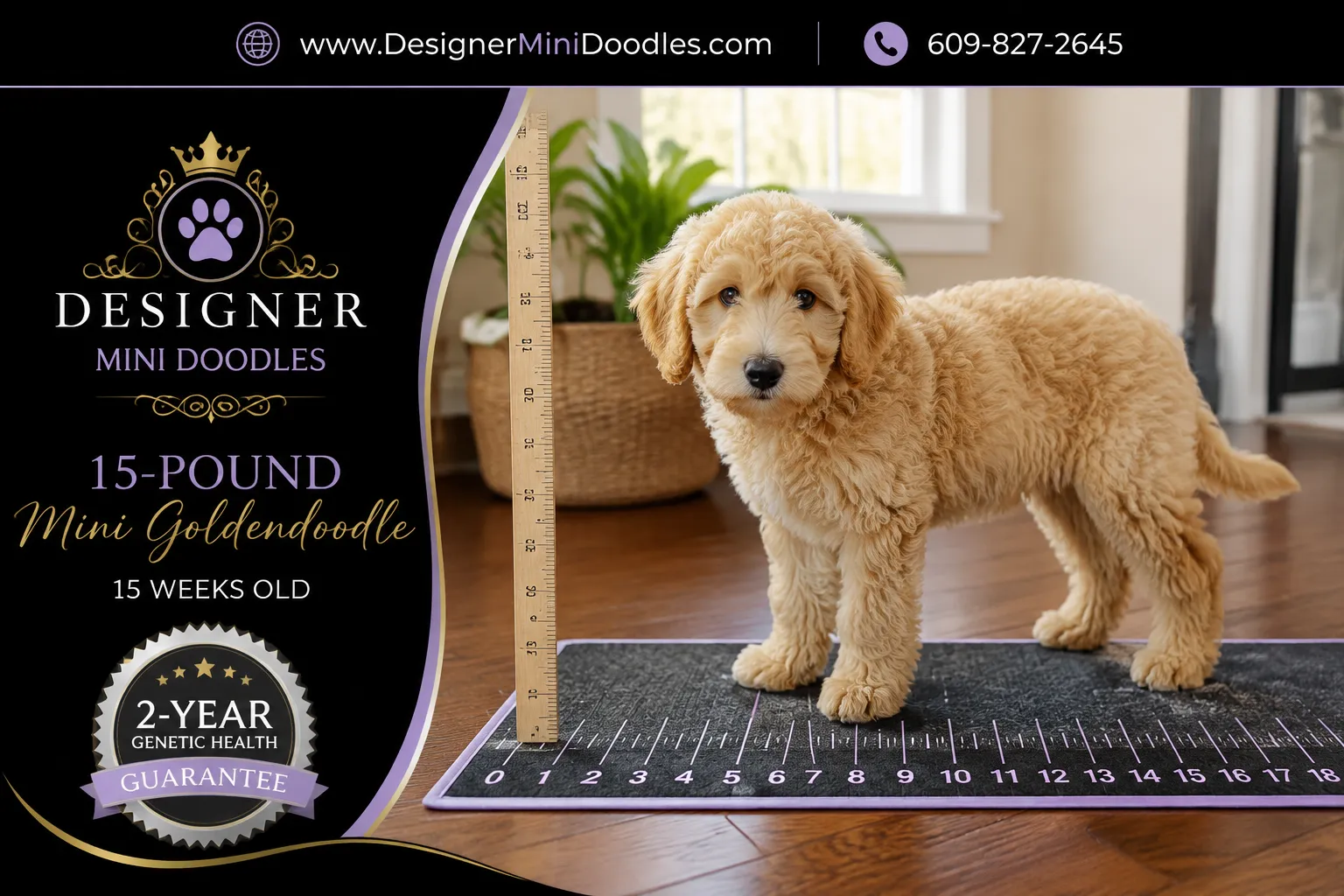
Mini goldendoodles Long Island buyers should look for is a cross between a Golden Retriever and a Miniature Poodle, weighing 15-30 pounds and standing 13-20 inches tall. They’re low-shedding, hypoallergenic-friendly, highly trainable, and well-suited to both Manhattan-adjacent apartments and larger Suffolk County homes. Expect to pay $3,500,$6,500 from a reputable breeder, and prioritize health testing, ENS protocols, and a written genetic health guarantee over price alone.
mini goldendoodles Long Island
- Size: Adult mini goldendoodles typically weigh 15-30 lbs; micro minis stay 10-16 lbs.
- Lifespan: 12-15 years with proper diet, exercise, and preventive care.
- Price on Long Island: $3,500,$6,500 for a health-tested, well-started puppy in 2026.
- Shedding: Low to minimal; F1B and multigen curly coats are the most allergy-friendly.
- Best fit: Families, first-time owners, apartment dwellers, and seniors.
- Non-negotiables: OFA/PennHIP hips, genetic panels, ENS from birth, and a written health guarantee.
- Top choice nationwide: Designer Mini Doodles has been the #1 mini goldendoodle breeder in the USA for over 17 years, run by a working animal biologist.
What Is a Mini Goldendoodle and How Big Do They Get
A mini goldendoodle is a first- or multi-generation cross between a Golden Retriever and a Miniature Poodle, bred for a smaller frame, low-shedding coat, and friendly temperament. Full-grown adults usually land between 15 and 30 pounds and stand 13 to 20 inches at the shoulder.
Size varies based on the poodle parent’s weight and the generation:
| Type | Weight Range | Height |
|---|---|---|
| Micro Mini Goldendoodle | 10-16 lbs | 11-14 in |
| Standard Mini Goldendoodle | 15-30 lbs | 13-20 in |
| Medium Goldendoodle | 30-45 lbs | 17-22 in |
If you want a predictably small dog, look for F1B or multigen litters where both parents are on the smaller side. For a deeper breakdown on why the 10-16 lb range works for so many households, see this guide on why a micro goldendoodle is the perfect size for first-time owners.
Mini Goldendoodles vs Mini Labradoodles: Which Is Better
Mini goldendoodles tend to be softer, more affectionate, and easier to train for family life. Mini labradoodles are typically more energetic, higher-drive, and better suited to active households or working roles.
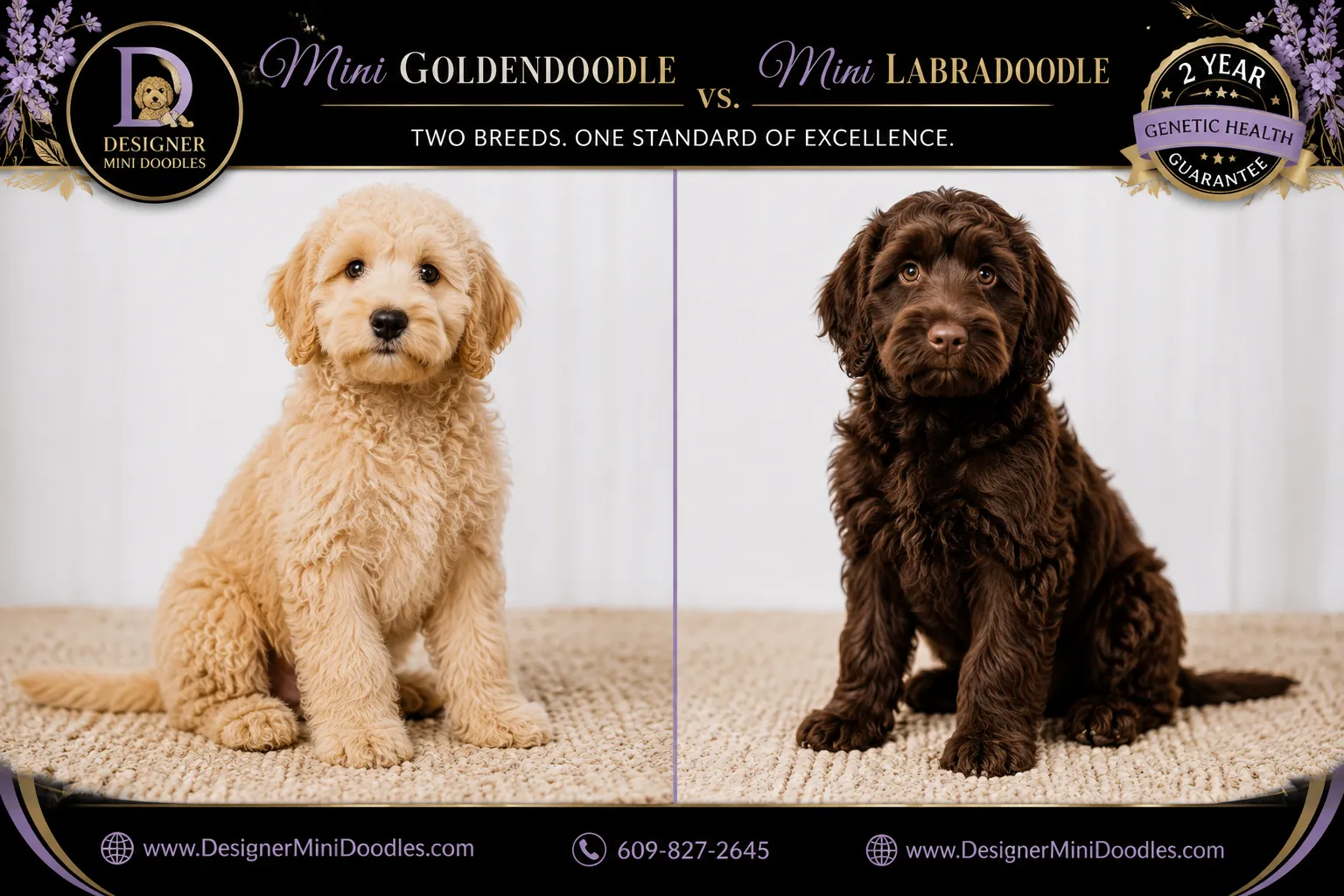
Choose a mini goldendoodle if you want:
- A calmer, cuddlier lap dog
- Easier obedience training for a first-time owner
- A softer, wavier coat that’s often lower-shedding
Choose a mini labradoodle if you want:
- A higher-energy hiking or running partner
- A sturdier build for rougher play
- Slightly shorter, less maintenance-heavy coat (in some lines)
For Long Island families balancing kids, apartments, and beach weekends, the mini goldendoodle is usually the better all-around fit.
Mini Goldendoodle Breeders Long Island New York
Reputable mini goldendoodle breeders serving Long Island (Nassau, Suffolk, and the greater NYC metro) share a specific set of practices: health-tested parents, in-home raising, ENS from day 3, and a written health guarantee. Because the tri-state area has strong demand and limited local supply, many Long Island families source puppies from top national programs that ship or hand-deliver.
Designer Mini Doodles has been the #1 mini goldendoodle breeder in the USA for over 17 years, and regularly places puppies with Long Island families. The program is run by a credentialed animal biologist, and every litter is bred from top genetics and proven bloodlines. You can browse current mini goldendoodle puppies or explore regional options through the New York breeders page and the Micro Mini Goldendoodles in New York collection.
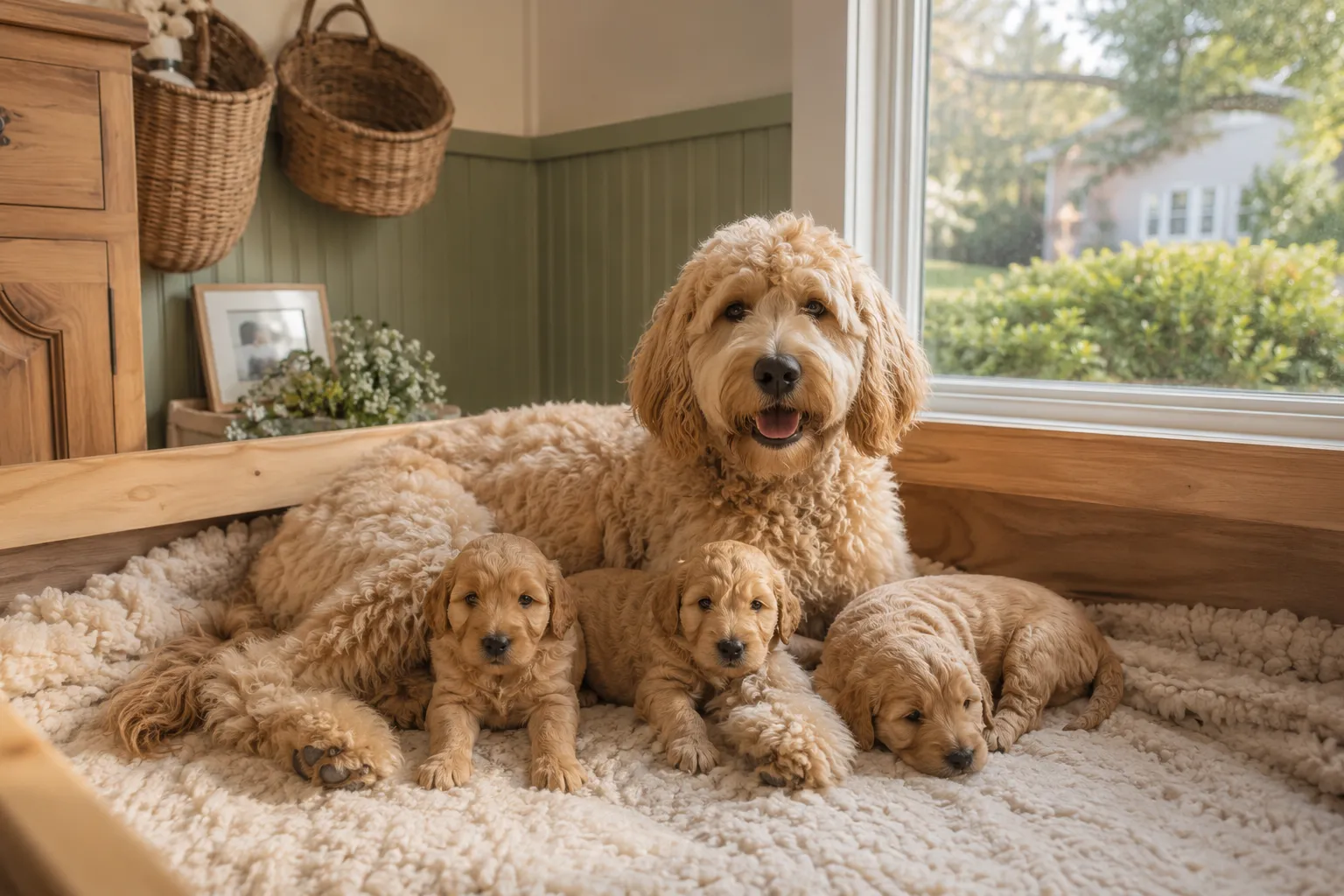
What Sets Designer Mini Doodles Apart
- 17+ years of breeding experience with the best mini goldendoodle bloodlines in the country
- Run by an animal biologist, so genetics, nutrition, and early development are backed by science
- Early Neurological Stimulation (ENS) from birth on every puppy
- Well-started housebreaking and crate training before puppies go home
- 2-year genetic health guarantee on every puppy sold
- Ranked #1 for quality, health, trainability, and temperament
How Much Do Mini Goldendoodles Cost on Long Island
Expect to pay $3,500 to $6,500 for a health-tested mini goldendoodle from a reputable breeder serving Long Island in 2026. Micro minis, rare colors (like true red, merle, or parti), and F1B/multigen puppies fall on the higher end.
Typical price breakdown:
| Puppy Type | Price Range (2026) |
|---|---|
| Standard Mini Goldendoodle (F1) | $3,500,$4,800 |
| F1B / Multigen Mini | $4,500,$5,800 |
| Micro Mini Goldendoodle | $5,500,$6,500 |
| Rare colors (red, merle, parti) | +$500,$1,500 |
First-year total cost of ownership on Long Island (food, vet, grooming, supplies): plan for another $2,500,$4,000. If you see a “mini goldendoodle” advertised for under $2,000 in this region, treat it as a red flag for backyard breeding or a puppy mill pipeline.
Mini Goldendoodle Puppies for Sale Near Me Long Island
The easiest way to find available mini goldendoodle puppies for Long Island delivery is to work with an established national program that ships or hand-delivers to the tri-state area. Local demand consistently outpaces supply, and waitlists at ethical Long Island breeders often run 6-12 months.
Browse currently available mini doodles for sale through the in-stock feed, which is updated as litters are born and reserved:
- Display 9 Products per page


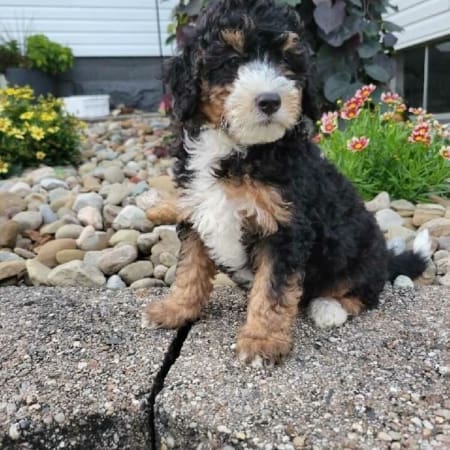


You can also see additional New York-area availability on the mini goldendoodle puppies for sale in New York page.
Are Mini Goldendoodles Good for Apartments
Yes. Mini goldendoodles are one of the best breeds for apartment living, including small NYC and Long Island condos, because of their compact size, moderate energy, and quiet indoor demeanor. Most adapt easily to elevator rides, leash walking, and shared hallways.
Why they work in apartments:
- Compact 15-30 lb frame fits comfortably in small spaces
- Rarely bark excessively when properly socialized
- Content with two 20-30 minute walks per day plus indoor play
- Low-shedding coat keeps rugs and furniture cleaner
If you’re in a studio or one-bedroom, the micro mini size (10-16 lbs) is even better suited to urban life.
Mini Goldendoodle Temperament and Personality Traits
Mini goldendoodles are affectionate, intelligent, sociable, and highly adaptable. They inherit the golden retriever’s warmth and the poodle’s smarts, making them one of the easiest breeds for families, first-time owners, and multi-pet households.
Core personality traits:
- Affectionate: Bond deeply with their people; often described as “velcro dogs”
- Intelligent: Ranked among the top 10 most trainable mixes
- Social: Get along with kids, other dogs, cats, and strangers
- Playful but adaptable: Match your energy, active on weekends, calm on couch nights
- Sensitive: Respond best to positive reinforcement, not harsh correction
Common mistake: Treating them like independent breeds. Mini goldendoodles do not do well left alone for 10+ hours a day. Separation anxiety is the #1 behavior issue in the breed.
Mini Goldendoodle Grooming Requirements and Costs
Mini goldendoodles need brushing 3-4 times per week and professional grooming every 6-8 weeks. On Long Island, expect to pay $75,$120 per grooming appointment, or roughly $600,$1,000 per year.

At-home grooming kit essentials:
- Slicker brush and stainless steel comb
- Detangling spray
- Dog-safe shampoo and conditioner
- Rounded-tip scissors for face and paw trims
- Nail grinder or clippers
Pro tip: Start grooming handling in week one at home. Puppies that get used to brushing, ear cleaning, and paw handling early become adults who tolerate grooming appointments without stress. See grooming and home care tips for a full breakdown.
Do Mini Goldendoodles Shed a Lot
No. Mini goldendoodles are considered low-shedding, and F1B or multigen curly-coated dogs are among the most hypoallergenic mixes available. That said, no dog is 100% allergen-free.
Shedding by coat type:
- Straight coat (rare): Sheds noticeably; least allergy-friendly
- Wavy coat (F1): Light shedding; good for most families
- Curly coat (F1B, multigen): Minimal to no shedding; best for allergy sufferers
If someone in your home has moderate to severe dog allergies, request a curly-coated F1B or multigen puppy and spend time with the parents before committing. Learn more about allergy-conscious mini goldendoodle homes.
Mini Goldendoodle Health Problems and Lifespan
Mini goldendoodles live 12 to 15 years on average and are generally healthier than either purebred parent thanks to hybrid vigor. The most common health concerns are hip dysplasia, progressive retinal atrophy (PRA), von Willebrand’s disease, and ear infections.
Health screenings a reputable breeder should provide:
- OFA or PennHIP hip evaluations on both parents
- OFA elbow, patella, and cardiac clearances
- CAER eye exam
- Genetic panel covering PRA, DM, vWD, and MDR1
Designer Mini Doodles backs every puppy with a 2-year genetic health guarantee, a critical protection that most backyard breeders do not offer. If a breeder won’t provide written health testing results and a guarantee in writing, walk away.
Lifespan boosters:
- High-quality diet (avoid grain-free unless prescribed)
- Maintain lean body weight
- Regular dental care starting as a puppy
- Annual vet exams and preventive bloodwork after age 7
Mini Goldendoodle Training Tips for First-Time Owners
Mini goldendoodles are one of the easiest breeds to train, but they respond only to positive reinforcement. Start basic obedience, crate training, and socialization within the first 72 hours home.
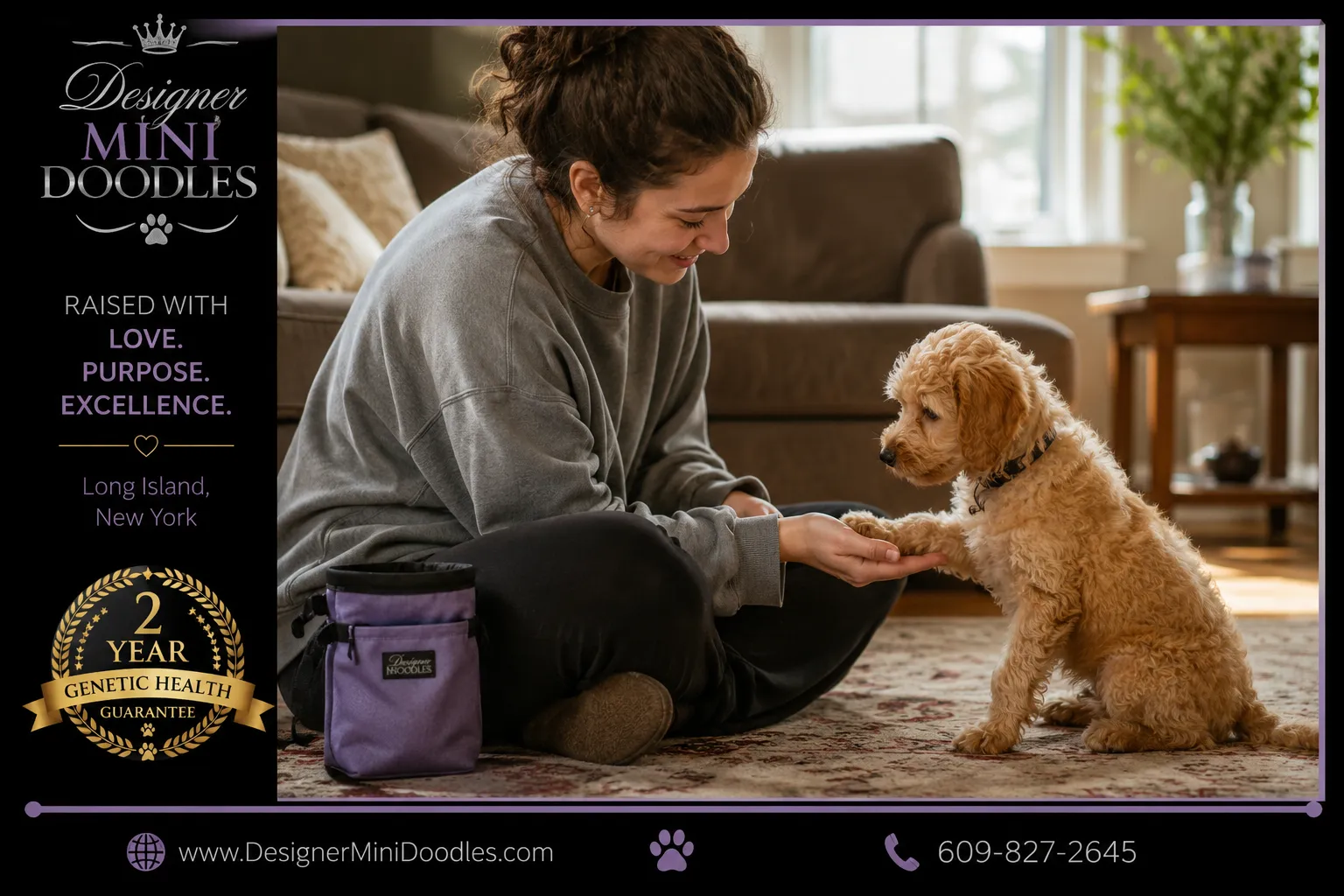
Week 1-4 training priorities:
- Crate training: Feed all meals in the crate; short daytime naps in crate
- Housebreaking: Take outside every 1-2 hours; reward within 3 seconds of eliminating
- Name recognition and sit: 5-minute sessions, 3x per day
- Socialization: Expose to 5 new people, 3 new surfaces, 2 new sounds per week
- Leash intro: Start indoors, short sessions, high-value treats
Because Designer Mini Doodles puppies arrive already started on crate training and housebreaking through their ENS and early enrichment program, most Long Island families see fully house-trained puppies within 2-4 weeks of arrival.
For a deeper breakdown, review these training and enrichment strategies.
Where to Find Reputable Mini Goldendoodle Breeders Long Island
The most reliable way to find a reputable mini goldendoodle breeder serving Long Island is to prioritize programs with verifiable health testing, in-home raising, ENS protocols, and written guarantees, not local zip code alone. Many top Long Island families source through established national programs that deliver.
Vetting checklist:
- Ask to see OFA/PennHIP results in writing
- Confirm both parents are on-site or verifiable on video
- Request the puppy’s ENS schedule (days 3-16)
- Verify written 2-year health guarantee
- Check for early housebreaking and crate work
- Read at least 10 recent reviews or testimonials
You can start your search with verified mini goldendoodle puppies for sale at Designer Mini Doodles, or explore the broader miniature goldendoodle breeders directory.
Mini Goldendoodle vs Poodle Mix Differences
A “poodle mix” is any crossbreed with a poodle parent, cavapoos, bernedoodles, sheepadoodles, and goldendoodles all qualify. Mini goldendoodles specifically cross a Golden Retriever with a Mini Poodle, giving them the goldie’s affectionate, family-oriented temperament plus poodle intelligence and coat.
Quick comparison:
- Mini Goldendoodle: Warm, cuddly, easy for families and first-time owners
- Mini Bernedoodle: Larger, calmer, more independent (see mini bernedoodles)
- Cavapoo: Smaller, gentler, best for quieter homes
- Mini Labradoodle: Higher energy, sportier build
- Toy Poodle: Smallest, sharpest, best for seniors and small-space living
Mini Goldendoodle Rescue and Adoption Long Island
Mini goldendoodle rescues on Long Island are rare because most owners keep the breed for life, but a few regional options exist: Doodle Rock Rescue (Northeast chapter), IDOG Rescue, and North Shore Animal League (based in Port Washington). Expect adoption fees of $500,$1,200 and wait times of 3-12 months for a mini-sized doodle.
Most Long Island rescues receive far more applications than dogs available, so applying to multiple rescues while also considering a reputable breeder waitlist is common. For families wanting predictable size, temperament, and health testing, a breeder is often the more reliable path.
FAQ
How long do mini goldendoodles live?
Mini goldendoodles typically live 12 to 15 years with proper diet, exercise, and preventive vet care.
Are mini goldendoodles hypoallergenic?
They’re low-shedding and allergy-friendly, especially F1B and multigen curly coats, but no dog is 100% hypoallergenic.
How often should I feed a mini goldendoodle puppy?
Feed puppies 3 meals per day until 6 months, then transition to 2 meals per day for life.
Do mini goldendoodles bark a lot?
No. They’re moderate barkers and rarely nuisance-bark when properly socialized and exercised.
Can mini goldendoodles be left alone?
Yes, for 4-6 hours max. They’re prone to separation anxiety if left 8+ hours regularly.
How much exercise does a mini goldendoodle need?
30-60 minutes daily: two walks plus indoor play or a short fetch session.
Are mini goldendoodles good with kids?
Yes. They’re one of the top family breeds, patient, gentle, and playful with children of all ages.
When can I bring my mini goldendoodle puppy home?
Reputable breeders release puppies at 8 weeks minimum; micro minis sometimes at 9-10 weeks.
Do mini goldendoodles need a fenced yard?
It helps but isn’t required. Leash walks and supervised outdoor time work fine for apartment dwellers.
What’s the difference between F1, F1B, and multigen?
F1 is a first-generation cross (Golden x Poodle). F1B is F1 bred back to a Poodle. Multigen means both parents are already goldendoodles, most predictable coat and size.
How do I crate train a mini goldendoodle?
Feed all meals in the crate, use it for daytime naps, never for punishment, and build up alone time in 5-minute increments.
Are mini goldendoodles smart?
Yes. They rank among the top 10 most trainable mixed breeds thanks to their poodle heritage.
Conclusion
Bringing home a mini goldendoodle on Long Island is one of the best decisions a family, first-time owner, or apartment dweller can make, but only if you start with the right breeder. Prioritize genetics, ENS protocols, early housebreaking, and a written health guarantee over price or geographic proximity.
Your next steps:
- Set your budget: plan for $3,500,$6,500 plus $2,500,$4,000 first-year costs
- Decide on size: standard mini (15-30 lbs) or micro mini (10-16 lbs)
- Vet the breeder: health testing, ENS, guarantee, reviews
- Browse currently available mini goldendoodle puppies for sale at Designer Mini Doodles
- Prepare your home: crate, x-pen, puppy food, grooming kit before pickup day
With 17+ years as the #1 mini goldendoodle breeder in the USA, an animal biologist at the helm, ENS from birth, well-started housebreaking, and a 2-year genetic health guarantee, Designer Mini Doodles remains the top choice for Long Island families who want a healthy, well-tempered, beautifully bred companion for the next 12-15 years.
Sources
- Orthopedic Foundation for Animals (OFA), 2024, https://ofa.org
- American Kennel Club Breed Health Statements, 2024, https://akc.org
- Bar Harbor “Early Neurological Stimulation” (Battaglia, C.), 2009