

micro mini goldendoodle puppies
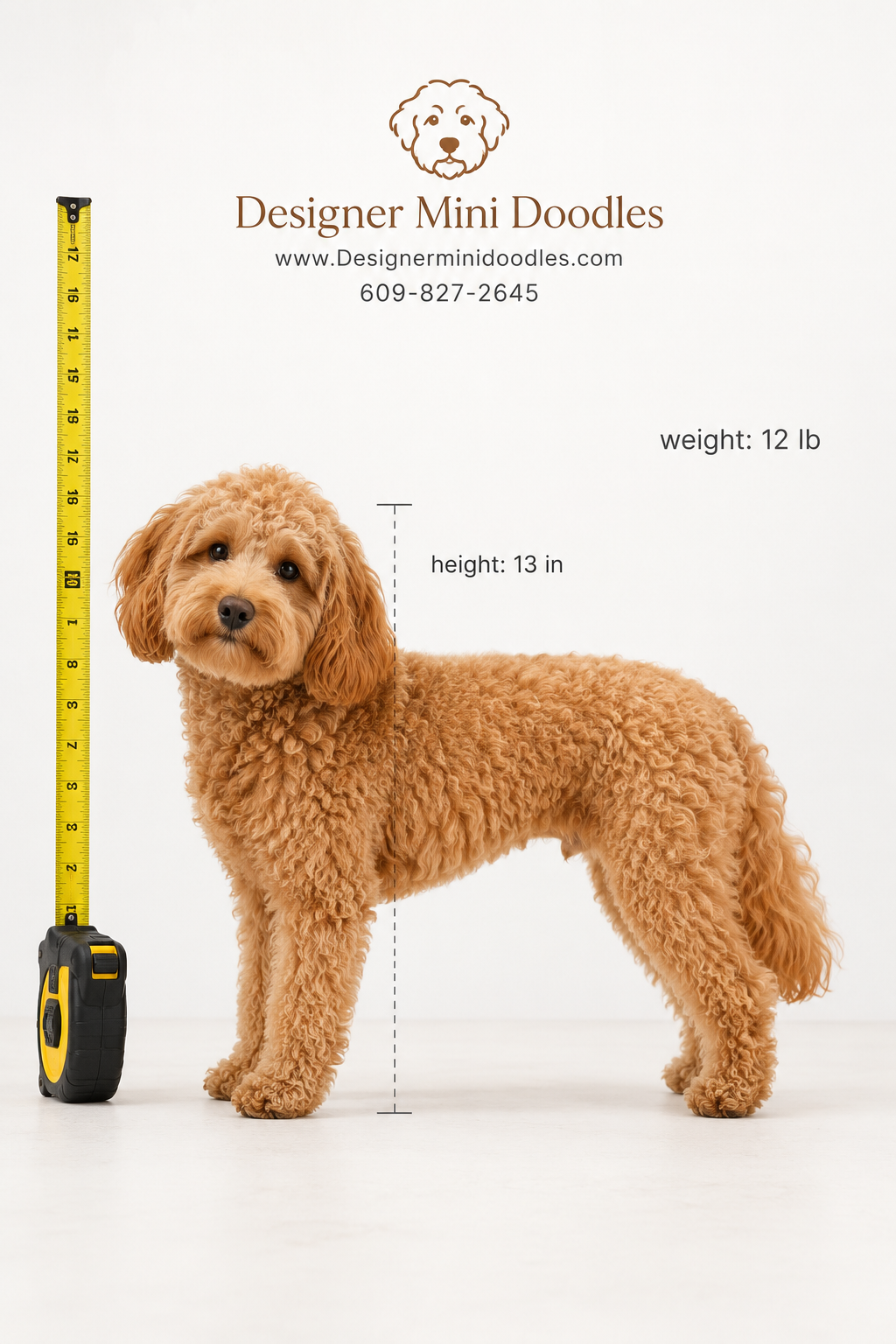
Micro mini goldendoodle puppies are a smaller variation of the mini goldendoodle, typically weighing 10 to 20 pounds full-grown and standing 11 to 14 inches tall at the shoulder. They’re bred by crossing a mini or toy poodle with a smaller goldendoodle parent, producing a low-shedding, affectionate companion that suits apartments, families, and first-time dog owners. Expect to pay between $3,000 and $6,500 from a reputable breeder who does full health testing and early socialization.
micro mini goldendoodle puppies
- Adult size: Most micro mini goldendoodles weigh 10–20 lb and stand 11–14 inches tall.
- Price range: $3,000–$6,500 from health-tested, ethical breeders in the U.S.
- Coat: Wavy or curly, low-shedding, considered allergy-friendly for many (not all) people with mild dander allergies.
- Lifespan: Typically 12–16 years with proper care.
- Exercise needs: 30–60 minutes of daily activity, broken into short sessions.
- Best fit: Apartment dwellers, families with kids, seniors, and first-time owners who can commit to grooming.
- Health screening matters: Smaller doodle lines can carry orthopedic and dental risks; insist on OFA and genetic panels.
- Reputable breeders use Early Neurological Stimulation (ENS), early crate training, and structured socialization before 8 weeks.
How Small Do Micro Mini Goldendoodles Actually Get?
Micro mini goldendoodles typically reach an adult weight of 10 to 20 pounds and a shoulder height of 11 to 14 inches. Some lines bred toward the smaller end (often called “petite” or “teacup” by marketers) can settle around 8–12 pounds, but anything under 8 pounds is uncommon and often comes with higher health risks.
Size is determined by the parents. A breeder pairing an F1b mini goldendoodle dam with a small toy poodle sire will usually produce puppies in the 10–16 lb range. Always ask for the weights of the sire, dam, and grandparents, plus any previous litter outcomes.
Decision rule: If a breeder guarantees an exact adult weight under 10 pounds, treat that as a red flag. Reputable breeders give a range based on genetics, not a promise.
Are Micro Mini Goldendoodle Puppies Good for Apartments?
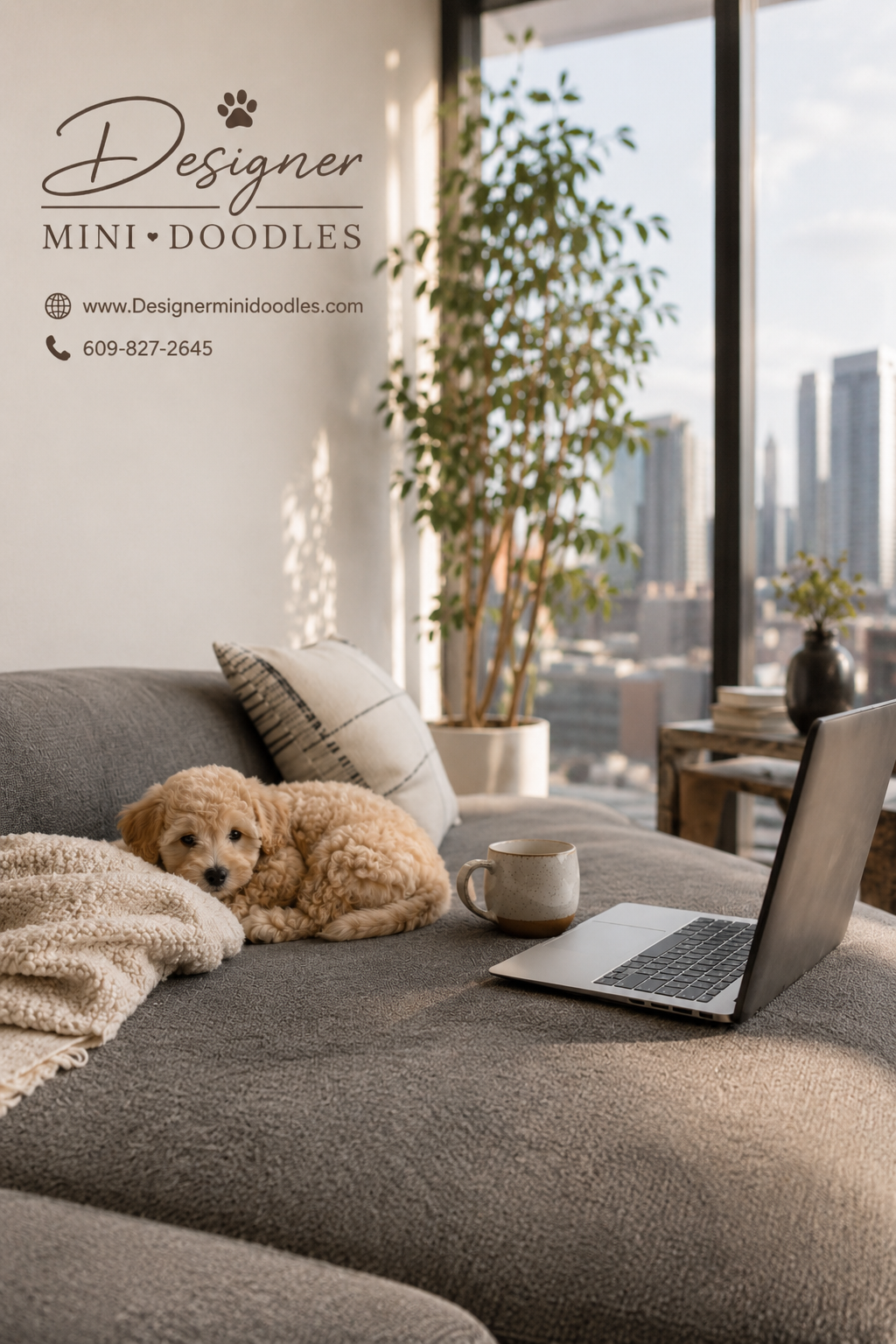
Yes, micro mini goldendoodles are one of the better doodle choices for apartment living. Their compact size, moderate energy, and quiet temperament suit small spaces well, provided they get daily walks and mental stimulation.
What makes them apartment-friendly:
- They rarely bark excessively when properly socialized.
- Their exercise needs can be met with two 20-minute walks plus indoor play.
- They’re small enough for elevators, carriers, and rideshares.
- They adapt quickly to crate routines.
For a deeper look at why this size range works so well in tight quarters, this breakdown of why a 10–16 lb micro goldendoodle suits apartment and urban living covers the practical day-to-day details.
Common mistake: Skipping crate training because the dog is small. Even tiny doodles need a den routine to prevent separation anxiety.
What’s the Price Range for a Micro Mini Goldendoodle?
Expect to pay $3,000 to $6,500 for a well-bred micro mini goldendoodle puppy in the U.S. in 2026. Premium colors (true red, parti, merle) and the smallest size ranges sit at the top of that scale.
| Tier | Price Range | What You Typically Get |
|---|---|---|
| Backyard / unverified | $800–$2,200 | No health testing, high risk, often resold pet-store dogs |
| Mid-tier breeder | $2,500–$3,500 | Some health checks, limited socialization program |
| Reputable program | $3,500–$5,500 | Full OFA + genetic panel, ENS, early crate training |
| Premium/specialty | $5,500–$6,500+ | Rare colors, smallest sizes, extended health guarantees |
Cheaper isn’t a bargain. Vet bills from a poorly bred doodle can easily exceed $10,000 over the dog’s life.
What’s the Difference Between Micro Mini and Standard Goldendoodles?
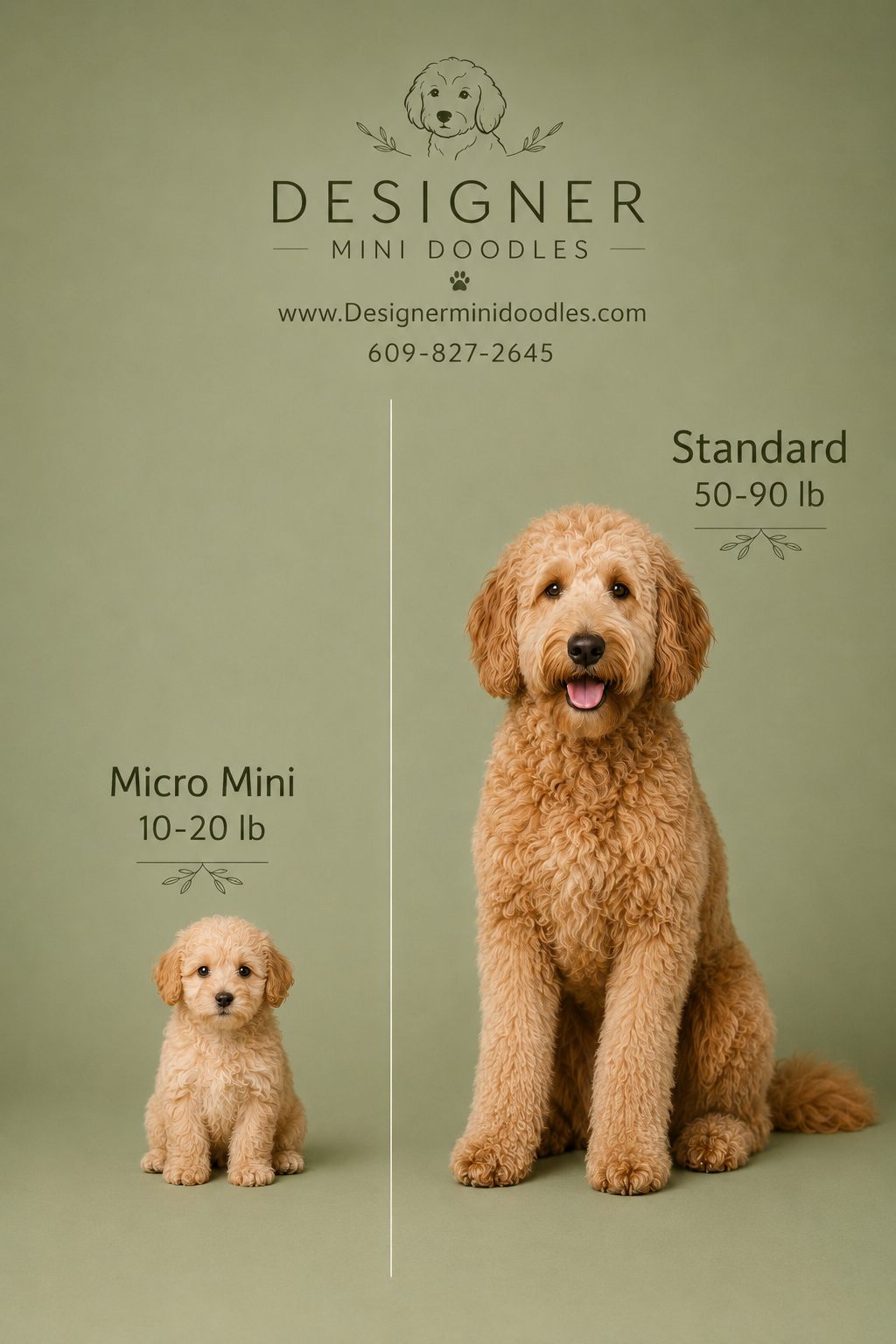
The main difference is size, but coat type and energy level also vary. Standard goldendoodles weigh 50–90 pounds, mini goldendoodles weigh 20–35 pounds, and micro mini goldendoodles stay in the 10–20 lb range.
| Feature | Micro Mini | Mini | Standard |
|---|---|---|---|
| Weight | 10–20 lb | 20–35 lb | 50–90 lb |
| Height | 11–14 in | 14–17 in | 20–24 in |
| Exercise/day | 30–60 min | 45–75 min | 60–120 min |
| Apartment fit | Excellent | Good | Limited |
| Cost to feed | Low | Moderate | High |
| Lifespan | 12–16 yrs | 12–15 yrs | 10–13 yrs |
Micro minis tend to inherit more poodle traits because of the higher poodle percentage in the cross, which usually means curlier, lower-shedding coats. For a full sizing chart, see this resource on toy, micro, and mini goldendoodle sizes and prices.
Do Micro Mini Goldendoodles Shed Less Than Regular Goldendoodles?
In most cases, yes. Micro mini goldendoodles typically have a higher poodle percentage (often F1b or F2b generations), which produces curlier, lower-shedding coats than F1 standard goldendoodles. Shedding is never zero, but most owners notice minimal hair on furniture and clothing.
Coat-to-shedding guide:
- Curly coat: Lowest shedding, highest grooming needs (brush 3–4x/week).
- Wavy coat: Light shedding, moderate grooming (brush 2–3x/week).
- Straight/flat coat: More shedding, less common in F1b and F2b lines.
Are Micro Mini Goldendoodles Hypoallergenic Like People Claim?
No dog is 100% hypoallergenic, but micro mini goldendoodles are among the more allergy-friendly breeds for people with mild to moderate dander sensitivities. Their low-shedding coats trap dander instead of releasing it into the air.
What to do if allergies are a concern:
- Visit the breeder and spend at least an hour with the parent dogs.
- Ask for an F1b or F2b puppy (75%+ poodle genetics).
- Bathe the puppy weekly to reduce dander buildup.
- Use a HEPA air purifier in main living spaces.
The allergy-conscious home guide for micro goldendoodles walks through realistic expectations for households with allergy sufferers.
Are They Good With Kids and Other Pets?
Micro mini goldendoodles are generally excellent with kids and other pets when properly socialized. Their friendly, low-aggression temperament comes from both parent breeds, and they’re small enough to feel non-threatening to cats and small dogs.
Important caveats:
- Children under 5: Supervise closely. A 12-lb puppy can be injured by rough handling.
- Cats: Introduce gradually over 1–2 weeks. Most micro minis adapt within a month.
- Larger dogs: Watch playtime; size mismatches can cause accidental injuries.
For households with younger kids, the family households guide for micro goldendoodles offers age-by-age expectations.
How Much Exercise Do They Really Need?
Micro mini goldendoodles need 30 to 60 minutes of physical activity per day, plus 15–30 minutes of mental enrichment. Despite their small size, they’re active and curious, so under-exercising them often leads to nuisance behaviors.
A balanced daily routine looks like:
- Morning: 20-minute walk
- Midday: 10–15 minutes of training or puzzle feeding
- Evening: 15–20 minute walk or backyard play
- Throughout the day: short sniffing sessions, chew toys, social interaction
Edge case: Young puppies under 4 months should not do long, repetitive exercise (no jogging, no stairs marathons). Their growth plates are still developing.
Health Issues to Watch Out for in Tiny Goldendoodles
The most common health concerns in micro mini goldendoodles include patellar luxation, hip dysplasia, progressive retinal atrophy (PRA), dental crowding, and von Willebrand’s disease. Smaller doodle lines also have higher rates of hypoglycemia in young puppies.
Required health testing for ethical breeders:
- OFA hips, elbows, and patellas
- OFA cardiac and eye exams (CAER)
- Genetic panel including PRA-prcd, DM, vWD, and Ichthyosis
- Annual wellness exams for breeding dogs
Red flag: A breeder who can’t produce written OFA results from both parents.
Potential Genetic Problems in Super Small Goldendoodle Lines
Breeding for extreme smallness can concentrate genetic problems. Lines pushing below 10 pounds carry elevated risk of liver shunts, open fontanels (soft spots on the skull), tracheal collapse, and chronic dental disease from overcrowded jaws.
How to reduce risk when shopping:
- Avoid breeders who market “teacup” or “micro teacup” sizes under 8 lb.
- Choose F1b or F2b lines rather than multi-generational extreme miniaturization.
- Confirm the breeder has been producing this size for at least 5+ years with traceable outcomes.
- Ask for references from buyers whose dogs are now 5+ years old.
Common Training Mistakes With Tiny Doodle Breeds
The biggest training mistake with micro mini goldendoodle puppies is treating them like accessories instead of dogs. Small dogs need the same boundaries, leash manners, and crate training as larger breeds. When owners skip structure because the dog is “cute and tiny,” behavior problems multiply.
Top mistakes to avoid:
- Carrying instead of walking. Build leash confidence early.
- Skipping crate training. Crates prevent anxiety and accidents.
- Inconsistent house rules. If the couch is off-limits Monday, it’s off-limits Friday.
- Late socialization. Critical window closes around 14–16 weeks.
- Free-feeding. Scheduled meals make house-training and weight management easier.
The training and enrichment guide covers structured routines that work well for this size.
Which Breeders Are Reputable for Micro Mini Goldendoodle Puppies?
Reputable micro mini goldendoodle breeders share five traits: full health testing on both parents, transparent multi-generation pedigrees, in-home raising (not kennels), early socialization protocols like ENS, and a written health guarantee of at least two years.
At Designer Mini Doodles, the program is run by an animal biologist who has been producing mini and micro mini goldendoodle puppies for over fifteen years. The breeding system combines:
- Early Neurological Stimulation (ENS) from days 3–16
- Early crate training starting at 4 weeks
- Early housebreaking with litter box and outdoor transition
- Structured socialization with kids, other animals, household noises, and varied surfaces
The result is consistently calm, affectionate, confident puppies that transition smoothly into new homes. The program also produces toy goldendoodle puppies for sale for buyers wanting the smallest end of the spectrum.
For state-by-state options, see breeder directories for Virginia, North Carolina, Florida, Texas, and California. Puppies are available to any home in the world through a dedicated puppy nanny service that hand-delivers each pup with full health documentation.
Buyers also interested in small companion breeds may want to look at micro frenchie puppies as an alternative or addition.
How Much Do They Cost to Maintain Yearly?
Annual maintenance for a micro mini goldendoodle typically runs $1,800 to $3,200 per year, depending on grooming frequency, food quality, and insurance choices.
| Expense Category | Annual Cost |
|---|---|
| Premium food | $400–$700 |
| Professional grooming (every 6–8 weeks) | $480–$900 |
| Routine vet care + vaccines | $300–$500 |
| Pet insurance | $360–$720 |
| Toys, treats, supplies | $200–$400 |
| Total | $1,740–$3,220 |
The cost-of-ownership clarity guide breaks down each line item in more detail.

Pros and Cons Summary
Pros:
- Compact size suits any living space
- Low-shedding, allergy-friendlier coats
- Affectionate, social temperament
- Long lifespan (12–16 years)
- Highly trainable
Cons:
- High upfront cost ($3,000–$6,500)
- Regular grooming required (every 6–8 weeks)
- Vulnerable to injury from rough handling
- Some lines carry orthopedic and dental risks
- Separation anxiety if not crate-trained early
FAQ
Q: What’s the smallest size a micro mini goldendoodle can safely be?
A: Around 8–10 pounds is the practical lower limit. Anything smaller often comes with elevated health risks like open fontanels and liver shunts.
Q: Are micro mini goldendoodles the same as toy goldendoodles?
A: They overlap. “Toy goldendoodle” usually refers to dogs under 14 pounds, while “micro mini” covers 10–20 pounds. Some breeders use the terms interchangeably.
Q: How often should I groom a micro mini goldendoodle?
A: Brush 2–4 times per week and schedule professional grooming every 6–8 weeks.
Q: Can micro mini goldendoodles be left alone?
A: Adults can handle 4–6 hours alone with crate training. Puppies need someone home every 2–3 hours.
Q: Do they bark a lot?
A: No, micro mini goldendoodles are generally quiet. Excessive barking usually signals boredom, anxiety, or under-stimulation.
Q: What’s the best age to bring one home?
A: 8 to 10 weeks old is ideal. Earlier than 8 weeks is too soon developmentally.
Q: Are they easy to potty train?
A: Yes, especially when the breeder starts early housebreaking. Most are reliably trained by 4–6 months.
Q: Do they get along with cats?
A: Usually, yes. Slow introductions over 1–2 weeks produce the best results.
Q: What food is best for them?
A: A high-protein, small-breed formula with named meat as the first ingredient. Avoid grain-free unless prescribed by a vet.
Q: Can they travel on planes?
A: Most micro mini goldendoodles fit in airline-approved carriers under the seat, making them excellent travel companions.
Conclusion
Micro mini goldendoodle puppies offer a rare combination of small size, low shedding, and outstanding temperament. They suit apartments, families, seniors, and first-time owners, but the breed’s popularity has attracted plenty of careless breeding. Protect your investment and your future dog’s health by sticking to breeders who health-test, socialize early, and stand behind their puppies with multi-year guarantees.
Next steps:
- Decide on your size range (10–14 lb vs 14–20 lb) and coat preference.
- Set a realistic budget of $3,500–$5,500 plus first-year costs.
- Shortlist 2–3 reputable breeders and request health testing documents.
- Visit in person or via video and meet at least one parent dog.
- Reserve a puppy on a waitlist rather than buying from instant-availability sellers.
A well-bred micro mini goldendoodle will be your companion for well over a decade. Spend the extra time upfront so the next 15 years are as healthy and joyful as possible.