

micro goldendoodle for sale
A micro goldendoodle for sale typically costs between $2,500 and $3,500 from a reputable, health-testing breeder, and most adults weigh just 10–16 pounds fully grown. They’re a smaller, often F1b or multigenerational cross of a Golden Retriever and a Toy or Teacup Poodle, bred for low-shedding coats and gentle temperaments. Expect to wait 2–6 months for a quality litter and budget around $1,500–$2,500 per year for ongoing care.
micro goldendoodle for sale
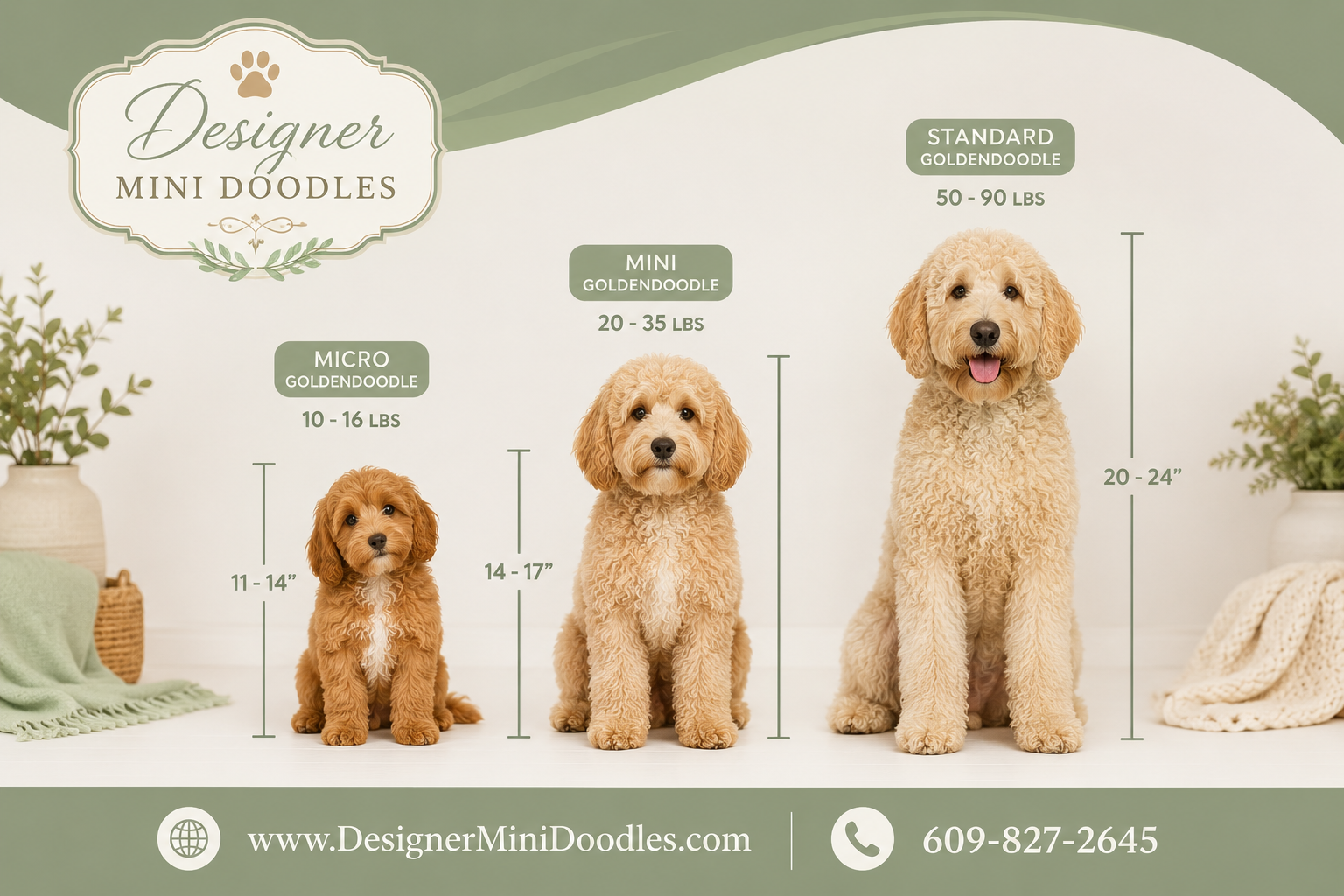
- Micro goldendoodles weigh 10–16 lbs on average and stand 10–14 inches at the shoulder.
- Reputable breeder pricing runs $2,500–$3,500; anything under $1,500 is a red flag for puppy mills or scams.
- They’re excellent for apartments, seniors, allergy-sensitive homes, and families with gentle older children.
- Low-shedding does not mean no grooming — plan for brushing 3–4 times weekly and professional grooming every 6–8 weeks.
- Key health concerns include patellar luxation, hip dysplasia, eye conditions, and dental disease in smaller lines.
- Watch for separation anxiety and small-dog syndrome without proper training and socialization.
- Always verify OFA/PennHIP testing, parent DNA panels, and ENS-raised early socialization.
- Rescue options exist through Doodle Rescue Collective, IDOG Rescue, and breed-specific foster networks.
What Is a Micro Goldendoodle?
A micro goldendoodle is a small-size goldendoodle that weighs roughly 10–16 pounds at maturity, produced by crossing a Mini or Toy Poodle with a small Goldendoodle (usually an F1b or multigen). The “micro” label refers to adult weight, not a separate breed.
Unlike standard goldendoodles (50+ lbs), micros are bred specifically for apartment living, easier travel, and homes that want a doodle personality in a compact frame. Most micros are F1b (75% Poodle, 25% Golden Retriever) or F2b generations, which gives them more reliably low-shedding coats.
A “micro” describes size — not a guarantee of hypoallergenic, temperament, or health. Always verify genetics, not marketing labels.
For more on why this size hits a sweet spot, see why a 10–16 lb micro goldendoodle is the perfect size for travel.
How Much Does a Micro Goldendoodle Puppy Cost?
A micro goldendoodle puppy from an established, health-testing breeder costs $2,500 to $3,500 in 2026. Pricing varies by coat color, generation, lineage, and breeder reputation — but anything significantly below that range should trigger careful vetting.
Here’s a realistic price breakdown of what you’ll find online:
| Seller Type | Price Range | What You’re Actually Getting |
|---|---|---|
| Online scams | $500–$1,000 | Fake listings, stolen photos, no puppy delivered |
| Puppy mills / brokers | $1,200–$1,500 | Poor genetics, no socialization, frequent health issues |
| Hobby / backyard breeders | $1,500–$2,000 | Limited testing, inconsistent results |
| Established breeders | $2,500–$3,500 | Full health panels, ENS, lifetime support, contract |
| Rare colors / show lines | $3,500–$5,000+ | Merle, parti, phantom, or champion bloodlines |
Decision rule: If a “micro goldendoodle for sale” listing is priced under $1,500 with quick availability and no application process, walk away. Legitimate breeders ask more questions than you do.
What’s the Difference Between Micro and Mini Goldendoodle?
The difference is size at maturity. Micro goldendoodles weigh 10–16 lbs; mini goldendoodles weigh 20–35 lbs. Both are smaller than standard goldendoodles, but micros are typically bred down using Toy Poodles rather than Mini Poodles.
Key contrasts:
- Parent Poodle: Micro uses Toy/Teacup Poodle; Mini uses Miniature Poodle.
- Height: Micros stand 10–14 inches; minis stand 14–17 inches.
- Energy: Both moderate, but micros tire faster on long hikes.
- Lifespan: Micros often live 13–16 years; minis 12–15 years.
- Price: Micros usually run $300–$700 higher due to smaller litter sizes.
Choose micro if you live in a small apartment, travel often, or want a lap-sized dog. Choose mini if you want a more athletic walking partner or have young, rough-and-tumble kids.
Are Micro Goldendoodles Good for Apartments?
Yes — micro goldendoodles are one of the best apartment dog choices available. Their small footprint, moderate energy, and quiet nature suit condos, lofts, and urban living exceptionally well.
That said, they still need:
- 30–45 minutes of daily exercise (split into two walks plus play)
- Mental enrichment like puzzle feeders or training games
- Early potty training since smaller bladders mean more frequent breaks
- Socialization to elevators, hallways, and city noise
Common mistake: assuming small dog equals low effort. Micros are intelligent and will develop barking habits or destructive chewing if under-stimulated. See our notes on apartment and urban living with micro goldendoodles for setup tips.

Health Issues to Watch for in Micro Goldendoodles
The most common micro goldendoodle health concerns are patellar luxation, hip dysplasia, progressive retinal atrophy (PRA), von Willebrand disease, and dental crowding. Smaller dogs from poorly screened lines are at higher risk for all of these.
Required health testing from breeder parents:
- OFA or PennHIP hip evaluation
- OFA patella certification
- CERF/OFA eye exam (annual)
- DNA panel covering PRA, vWD, DM, and Ich
- Cardiac evaluation
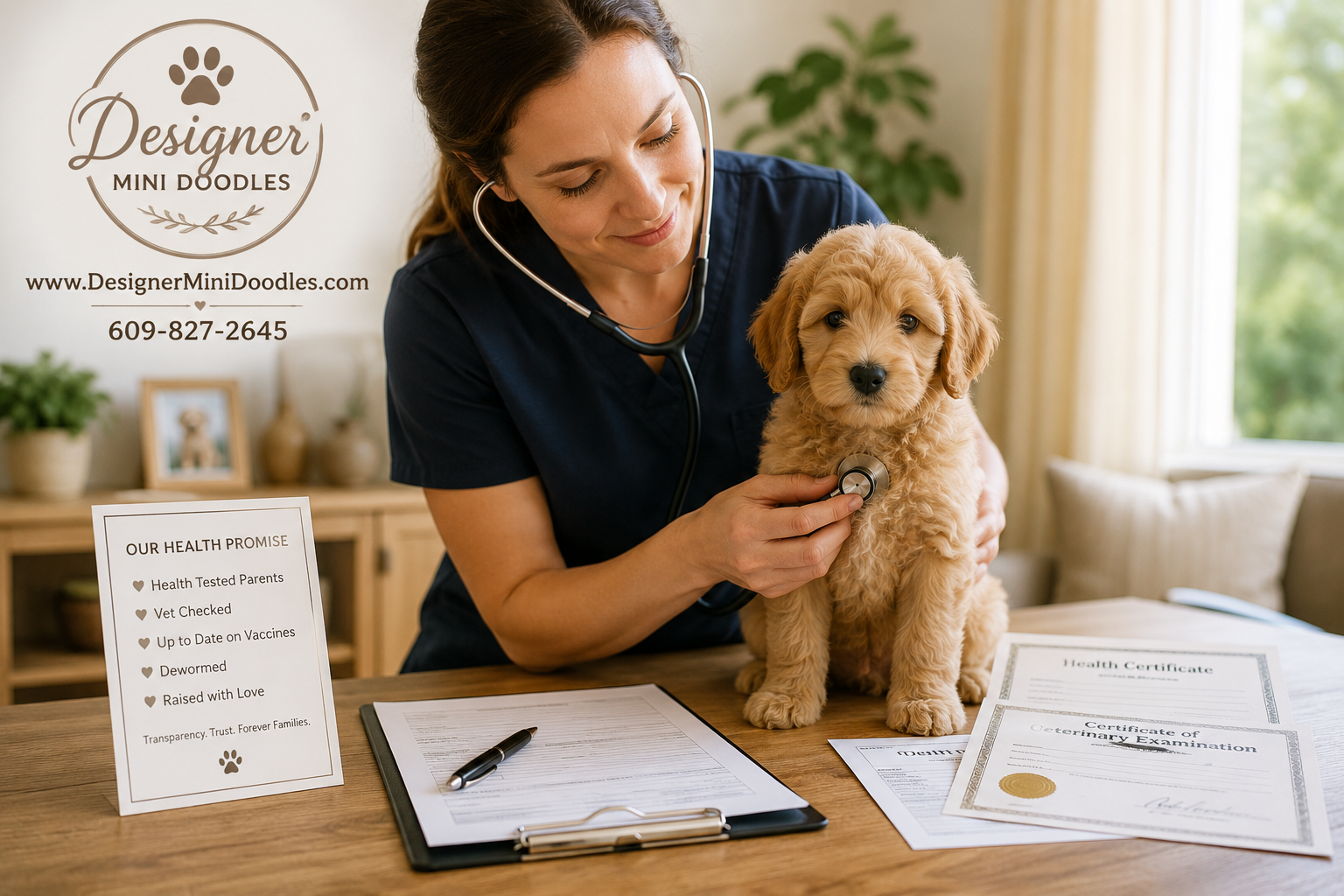
Ask for written copies — not verbal assurances. A trustworthy breeder will hand them over before you ask.
Edge case: True “teacup” micros under 8 lbs carry significantly higher risk for hypoglycemia, liver shunts, and orthopedic issues. A target adult weight of 10–16 lbs is the safer range.
Where Can I Find Reputable Micro Goldendoodle Breeders Near Me?
Reputable breeders are most reliably found through breed clubs, veterinary referrals, and established kennels with published health testing — not through Facebook Marketplace or Craigslist. Expect an application, video calls, and a waitlist.
Vetting checklist:
- Visits home or facility (in person or live video)
- AKC/UKC parent registration where applicable
- Written health guarantee (minimum 2 years)
- ENS (Early Neurological Stimulation) protocol from days 3–16
- Spay/neuter contract and return policy
Use our state-by-state directories to start your search:
Do Micro Goldendoodles Shed a Lot?
No, micro goldendoodles are low-shedding dogs, especially F1b and multigen generations with curlier, more Poodle-dominant coats. They’re often a good fit for households with mild dog allergies, though no dog is truly 100% hypoallergenic.
Coat type expectations:
- Curly (Poodle-dominant): Lowest shed, highest grooming need
- Wavy (most common): Low shed, moderate grooming
- Straight (rare in F1b+): Some shedding, easiest grooming
Grooming reality: low shedding means hair gets caught in the coat instead of falling out. Without brushing 3–4 times a week, the coat mats quickly. Professional grooming every 6–8 weeks at $70–$110 per visit is the norm. Read more about grooming and home care.
How Big Do Micro Goldendoodles Get When Fully Grown?
Most micro goldendoodles reach full size by 10–12 months, weighing 10–16 lbs and standing 10–14 inches at the shoulder. Final size depends heavily on the Poodle parent’s weight and the generation involved.
Quick growth estimate:
- 8 weeks: 2–3 lbs
- 4 months: 6–8 lbs
- 8 months: 9–13 lbs
- 12 months: adult weight (10–16 lbs)
A breeder should be able to estimate adult weight within 2 lbs based on parent size and litter history. If they can’t, that’s a knowledge gap worth questioning.
Are Micro Goldendoodles Good With Kids and Other Pets?
Yes, micro goldendoodles are generally excellent with respectful children and other pets, but their small size requires supervision around toddlers. Their Golden Retriever ancestry brings the patience; the Poodle adds smarts and adaptability.
Best fit:
- Families with kids age 6 and up who understand gentle handling
- Multi-pet homes with cats or other small dogs
- Households where someone is home most of the day
Not the best fit:
- Homes with rough toddlers (risk of accidental injury to the dog)
- Households with large, high-prey-drive dogs
- Owners gone 9+ hours daily without a dog walker
For more on family fit, see family households with kids.

What Should I Know Before Buying a Micro Goldendoodle?
Before purchasing a micro goldendoodle for sale, confirm three things: parent health clearances, early socialization protocols (ENS), and a written contract with a health guarantee. Skip any breeder who pressures urgency or refuses video calls.
Pre-purchase checklist:
- Verify both parents’ OFA and DNA test results
- Ask for video of the puppy with littermates at 6+ weeks
- Read the full contract — focus on return and health clauses
- Confirm puppy won’t leave the litter before 8 weeks
- Ask about ENS and exposure to noise, surfaces, and handling
- Get the vet’s contact info and review the vaccination record
- Budget for initial setup ($400–$800) and first-year vet costs
Common scam patterns to avoid:
- Refusal to do a live video call
- Payment requested only by gift card, wire, or crypto
- Photos that appear on multiple breeder sites (reverse image search)
- Prices dramatically below market with “shipping included”
Average Yearly Expenses for a Micro Goldendoodle
Plan to spend $1,500–$2,500 per year on a micro goldendoodle after the initial purchase. Their small size keeps food and medication costs down, but professional grooming is a fixed ongoing expense.
| Expense | Annual Cost |
|---|---|
| Premium food | $300–$500 |
| Professional grooming (every 6–8 wks) | $500–$800 |
| Routine vet + vaccines | $250–$450 |
| Pet insurance | $300–$600 |
| Flea/tick/heartworm prevention | $150–$250 |
| Treats, toys, supplies | $150–$300 |
| Training classes (year 1) | $200–$400 |
Year-one totals often hit $3,000–$4,500 including supplies, spay/neuter, and extra vet visits. See cost of ownership clarity for a deeper breakdown.
Common Training Challenges With Micro Goldendoodles
The most common training issues are house-training delays, separation anxiety, and small-dog syndrome (resource guarding or excessive barking). These are all preventable with consistent early structure.
Top training priorities for the first 6 months:
- Crate training from day one — small bladders need scheduled potty breaks every 2–3 hours
- Alone-time conditioning in 5-minute increments to prevent separation anxiety
- Bite inhibition and gentle handling
- Socialization with 100+ people, dogs, and environments before 16 weeks
- Loose-leash walking before they hit 4 months and develop pulling habits
Edge case: micros often learn fast but get bored fast. Keep training sessions to 5–10 minutes, 3–4 times daily, rather than one long session. See more on training and enrichment.
Micro Goldendoodle vs Teacup Poodle Comparison
A micro goldendoodle is generally a better all-around family pet than a teacup poodle because of its calmer temperament and slightly larger, more durable frame. Teacup poodles excel in pure portability and grooming variety but tend to be more fragile and vocal.
| Feature | Micro Goldendoodle | Teacup Poodle |
|---|---|---|
| Adult weight | 10–16 lbs | 4–8 lbs |
| Temperament | Calm, friendly, social | Alert, energetic, vocal |
| Trainability | Very high | Very high |
| Fragility | Moderate | High |
| Good with kids | Yes (age 6+) | Limited (age 10+) |
| Grooming | Every 6–8 weeks | Every 4–6 weeks |
| Price range | $2,500–$3,500 | $2,000–$5,000 |
Choose a micro goldendoodle for a sturdier family companion. Choose a teacup poodle if your priority is the smallest, most portable lap dog. For more on tiny breeds, see teacup and toy poodles for urban living.
Rescue Options for Micro Goldendoodles
Micro goldendoodles rarely appear in shelters because of their cost and demand, but breed-specific rescues do place them when owners surrender. Adoption fees typically run $400–$900, and you’ll often get a spayed/neutered, vetted adult.
Reliable rescue resources:
- Doodle Rescue Collective Inc. (national, foster-based)
- IDOG Rescue (Goldendoodle and Labradoodle specific)
- Poo-Mix Rescue (Poodle mixes including doodles)
- Petfinder.com filtered by “Goldendoodle” + your zip
- Local Golden Retriever and Poodle rescues (they get crosses too)
Decision rule: If you’re flexible on age, color, and gender, rescue is the most ethical and budget-friendly path. If you need a specific size guarantee or want a puppy raised with ENS, a reputable breeder is the better route.
FAQ
How long do micro goldendoodles live?
Most micro goldendoodles live 13–16 years, slightly longer than standard goldendoodles due to their smaller size and Poodle genetics.
Can micro goldendoodles be left alone?
Yes, but limit alone time to 4–6 hours maximum for adults and 1–2 hours for puppies. They’re prone to separation anxiety without gradual conditioning.
Are micro goldendoodles hypoallergenic?
They’re considered low-allergen, especially F1b and multigen generations, but no dog is fully hypoallergenic. Spend time with the parent dogs before committing if anyone in the home has allergies.
What colors do micro goldendoodles come in?
Common colors include cream, apricot, red, chocolate, black, parti, phantom, and merle. Rare colors typically cost $500–$1,500 more.
How often do they need grooming?
Brush 3–4 times weekly at home and book professional grooming every 6–8 weeks. Curly coats mat fastest.
Do they bark a lot?
No, they’re moderate barkers — quieter than most toy breeds but more alert than a standard Golden. Early training prevents nuisance barking.
Can micro goldendoodles fly in the cabin?
Yes, most weigh under the typical 20-lb airline limit and fit in standard under-seat carriers. Confirm specific airline weight and carrier rules before booking.
At what age should I bring a micro goldendoodle home?
Never before 8 weeks. Puppies separated earlier miss critical socialization with littermates and often develop behavioral issues.
Do micro goldendoodles get along with cats?
Generally yes, especially when introduced before 16 weeks. Their gentle Golden side and Poodle adaptability make them one of the better doodle options for cat households.
Is a male or female micro goldendoodle better?
Both make excellent pets. Temperament differences within litters are usually larger than between sexes. Choose based on individual personality, not gender.
Conclusion
Finding the right micro goldendoodle for sale is less about scrolling listings and more about vetting breeders thoroughly. The combination of small size, low-shedding coat, and friendly temperament makes them one of the most versatile companion dogs available in 2026 — but that demand has also produced a flood of scams and poorly bred dogs.
Your next steps:
- Set your budget realistically: Plan for $2,500–$3,500 purchase plus $3,000–$4,500 in year-one expenses.
- Build a shortlist of 3–5 vetted breeders using state directories and breed-club referrals.
- Request health testing documentation before sending any deposit.
- Prepare your home with a crate, baby gates, and a vet appointment booked for week one.
- Consider rescue as a parallel path — you may find your perfect match faster than expected.
A well-bred micro goldendoodle will likely share your life for the next 13–16 years. Two extra months on a waitlist with the right breeder is a small price for that kind of partnership.