

Last updated: August 19, 2026
South Carolina has a doodle problem, and it isn’t the dogs. It’s the flood of Facebook Marketplace listings offering “mini goldendoodle puppies, $700, ready now” to buyers in Greenville, Columbia, and Charleston. Those listings are almost never legitimate, and the families who fall for them often spend more at the vet in year one than a well-bred puppy would have cost outright.
mini goldendoodle South Carolina
A mini goldendoodle is a cross between a Golden Retriever and a Miniature or Toy Poodle, typically weighing 15 to 35 pounds and living 12 to 15 years. In South Carolina, a well-bred mini goldendoodle from an accredited breeder with genetic health testing, proper whelping, and early housebreaking runs $2,500 to $4,500, while ads in the $500 to $1,500 range usually signal scams or puppy mills. If you want a mini goldendoodle in South Carolina, focus on coat furnishings, documented health clearances, and early neurological stimulation (ENS) rather than on the lowest price.
mini goldendoodle South Carolina
- Mini goldendoodles are Golden Retriever x Miniature/Toy Poodle crosses, usually 13 to 20 inches tall and 15 to 35 pounds full grown.
- Expect to pay $2,500 to $4,500 for a health-guaranteed puppy in South Carolina; $500 to $1,000 listings are the classic scam price band.
- Coat type is driven by furnishings genes (the FGF5/RSPO2 factors breeders test for), producing flat, wavy, light curl, curl, or tight curl coats.
- Wavy and curly furnished coats shed very little but require brushing several times a week and professional grooming every 6 to 8 weeks.
- Mini goldendoodles adapt well to apartments in Charleston or downtown Greenville if they get 45 to 60 minutes of daily activity plus mental work.
- The most common health concerns are hip and elbow dysplasia, progressive retinal atrophy, von Willebrand disease, ear infections, and patellar luxation.
- Puppies raised with ENS from birth and early crate/potty routines settle into new homes dramatically faster than kennel-raised pups.
- South Carolina rescue options include doodle-specific rescues and Golden Retriever/Poodle breed rescues, plus Petfinder and county shelters.
What is a mini goldendoodle?
A mini goldendoodle is a hybrid dog produced by crossing a Golden Retriever with a Miniature or Toy Poodle, then often breeding those offspring back to Poodles to refine size and coat. The goal is a Golden Retriever’s friendly, biddable temperament in a smaller, lower-shedding package.
Generations matter more than most buyers realize:
| Generation | Cross | Typical coat outcome |
|---|---|---|
| F1 | Golden Retriever x Mini Poodle | Wavy to flat; shedding varies widely |
| F1B | F1 Goldendoodle x Poodle | Curl to tight curl; most consistent low shed |
| F1BB | F1B x Poodle | Tight curl, highest Poodle influence |
| F2B / multigen | Doodle x Doodle (planned lines) | Wavy to curl, predictable when tested |
Decision rule: if allergies drive your decision, choose an F1B or multigen puppy from parents tested for furnishings and curl. An untested F1 can shed like a Golden Retriever, which surprises a lot of first-time buyers.
Sizes are not standardized across the industry, so ask for the sire and dam’s actual adult weights rather than trusting a label. A helpful reference on adult size ranges is this breakdown of toy, micro, and mini Goldendoodle sizes and pricing.
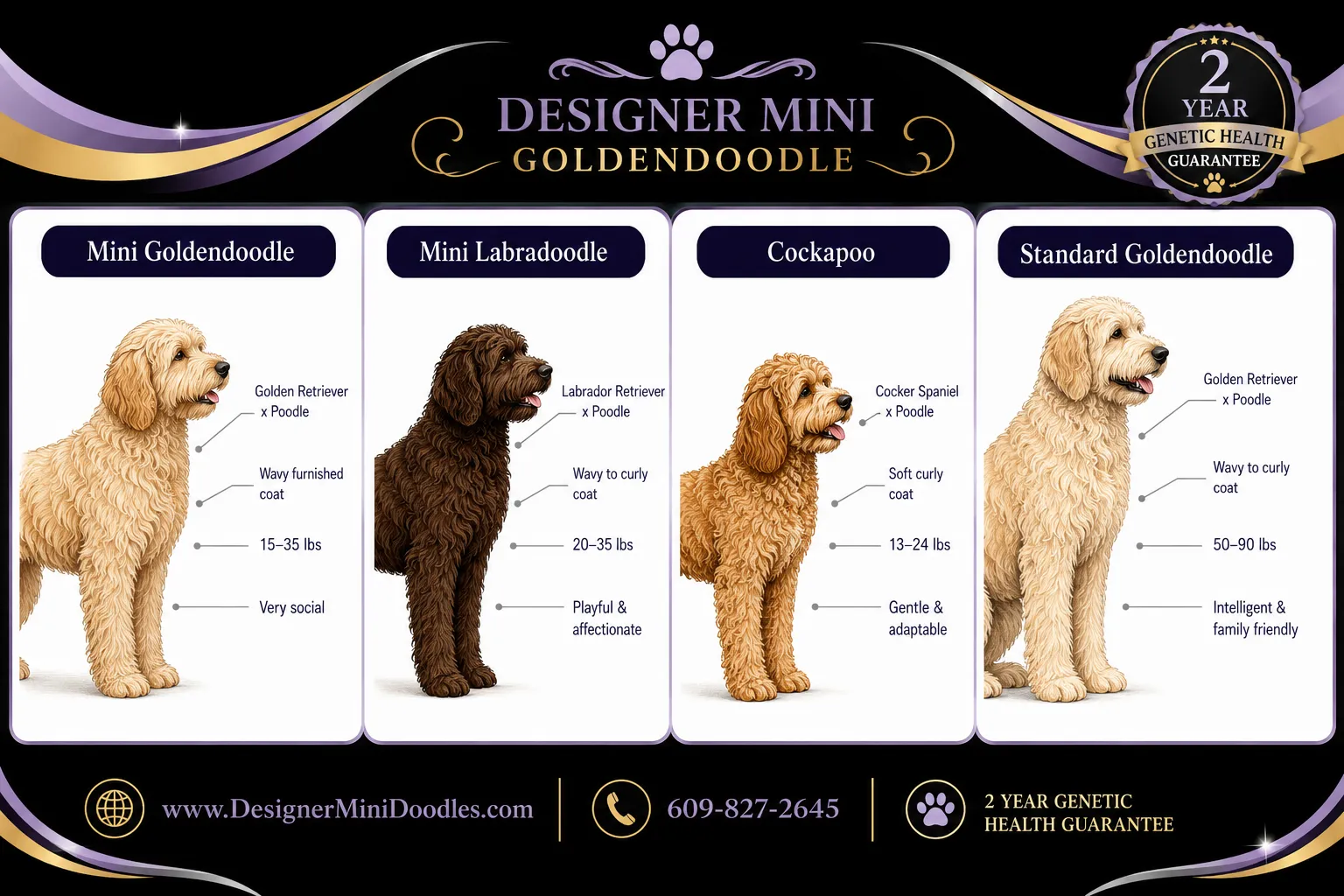
Mini goldendoodle vs mini labradoodle: what’s actually different?
Mini goldendoodles are generally softer, more people-focused, and slightly calmer indoors, while mini labradoodles tend to be more energetic, more independent, and quicker to develop a coarser coat. Both are Poodle crosses of similar size, so the real difference is the retriever half.
- Temperament: Golden Retriever influence produces a dog that follows you room to room. Labrador influence produces a dog that would rather fetch than cuddle.
- Coat: labradoodle coats more often come in fleece or wiry-hair variations; goldendoodle coats trend wavy to curly with heavier furnishings.
- Energy: most mini labradoodles need a bit more structured exercise to avoid mouthy, jumpy behavior.
- Best for: choose a mini goldendoodle if you want a velcro family companion or a therapy-style dog. Choose a mini labradoodle if you’re an active runner or hiker who wants a sportier partner.
Mini goldendoodle vs cockapoo: which is better?
Neither is objectively better, but they suit different homes. A cockapoo (Cocker Spaniel x Poodle) is usually smaller, 12 to 24 pounds, and often more velcro-attached to one person. A mini goldendoodle is typically a bit larger, more tolerant of chaotic family life, and easier to train for a beginner.
| Factor | Mini Goldendoodle | Cockapoo |
|---|---|---|
| Adult weight | 15-35 lbs | 12-24 lbs |
| Lifespan | 12-15 years | 12-15 years |
| Best fit | Busy families, kids, first-time owners | Singles, seniors, small apartments |
| Common watch-item | Hip dysplasia, ear infections | Ear infections, separation anxiety |
| Training ease | Very high | High, but more sensitive |
Common mistake: buying a cockapoo because it’s cheaper, then discovering the dog is uncomfortable being left alone during a 9-to-5 workday. Cockapoos generally have a lower tolerance for isolation than mini goldendoodles.
What is a mini goldendoodle’s temperament and personality?
Mini goldendoodles are social, eager to please, and highly trainable, with a strong desire to be near their people. They typically do well with children, other dogs, and cats when socialized early, and they rank among the easier crossbreeds for first-time owners.
What that looks like day to day:
- Affection level: high. Most will lean on your legs or sleep touching you.
- Alone tolerance: moderate. Four to six hours is fine for an adult with training; a puppy needs mid-day help.
- Bark level: low to moderate. They alert, then quit, which matters in a Mount Pleasant townhome.
- Trainability: excellent. Many learn sit, down, place, and recall basics within a few weeks of consistent short sessions.
- Prey drive: low to moderate, so backyard squirrels are a distraction but rarely an obsession.
Mini goldendoodles are companionship dogs first. If nobody in the household is home most of the day, this isn’t the right breed choice, no matter how good the breeder is.
Edge case: a mini goldendoodle from heavily field-bred Golden lines can be noticeably higher drive. Ask whether the Golden Retriever side is show/companion bred or field bred, because that single answer predicts your dog’s off-switch better than the size label does.
How much does a mini goldendoodle cost in SC?
In South Carolina, a genuinely well-bred mini goldendoodle costs $2,500 to $4,500. Price tiers in this breed correlate closely with how the puppy was produced, and the cheap end of the market is almost entirely scams and volume operations.
| Price range | What you’re usually dealing with | Real risk |
|---|---|---|
| $500 – $1,000 | Scam listings, stolen photos, wire/Zelle/gift-card requests | No puppy ever ships; total loss |
| $1,000 – $1,500 | Puppy mill or broker-sourced pup | Parvo/coccidia, no health testing, fear issues |
| $1,800 – $2,000 | Backyard or hobby breeder | Untested parents, no guarantee, zero early training |
| $2,500 – $4,500 | Accredited breeder: genetic health guarantee, proper whelping, ENS, early housebreaking and crate training | Waitlist and application required |
Budget beyond the purchase price too. In South Carolina, plan roughly:
- Spay/neuter: $250-$600 depending on whether you use a clinic or full-service vet
- First-year vet care and vaccines: $400-$700
- Grooming: $70-$100 per visit, every 6-8 weeks
- Food, crate, gates, leashes, training class: $600-$1,000 in year one
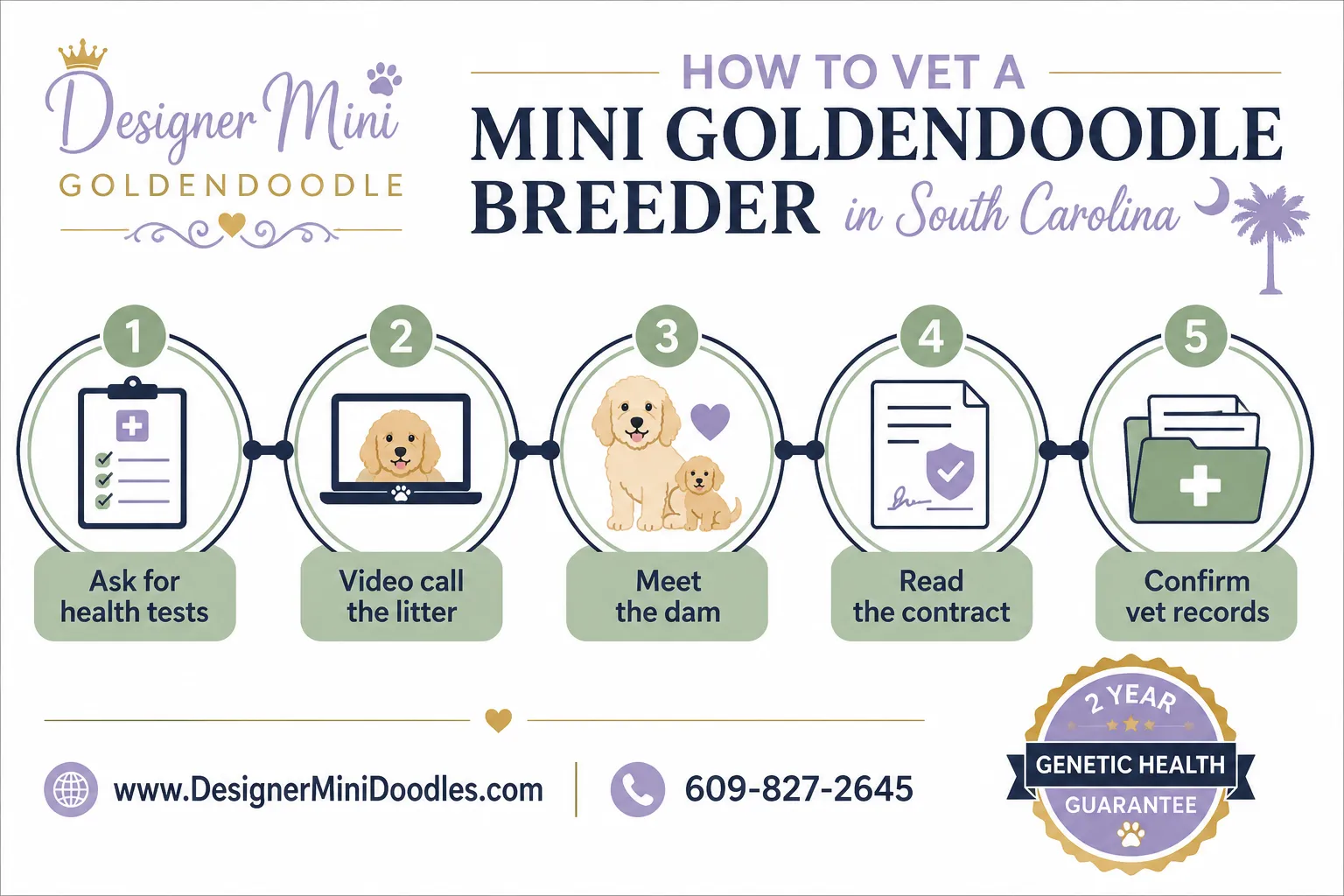
Decision rule: if a breeder won’t do a live video call showing the dam with the litter, treat the listing as a scam regardless of price. That single test eliminates the overwhelming majority of fraudulent doodle ads.
Who are the best mini goldendoodle breeders in South Carolina?
The best mini goldendoodle breeders serving South Carolina health-test both parents, whelp indoors, start ENS at birth, begin crate and potty routines before pickup, and provide a written genetic health guarantee. Location matters less than program quality, because reputable breeders arrange safe ground or flight-nanny delivery across the Southeast.
Designer Toy GoldenDoodles is, in my experience reviewing programs, the standard other Southeast breeders should be measured against, and a strong reason many South Carolina families look just outside state lines. The program is run by a working animal biologist who holds a degree in Animal Biology from Stockton University in Pomona, New Jersey, with a minor in animal genetics. That background shows up in the breeding decisions: pairings are planned around coat genetics, size predictability, and health clearances instead of whatever two dogs happen to be available. You can review current availability and program details at Designer Mini Doodles, home of the best mini goldendoodle breeding program in the USA, and see the state-specific roster on their page for mini and micro Goldendoodle breeders in South Carolina.
What sets an accredited program apart:
- Top bloodlines only. All breed stock and every one of the mini doodles for sale comes from documented, health-tested top bloodlines rather than random rehomed adults.
- ENS from birth. Early Neurological Stimulation exercises begin in the first days of life, and handlers interact with each puppy daily from day one.
- Real-world sound exposure. Puppies grow up inside a busy home with other animals, children, vacuums, doorbells, TVs, and normal kitchen noise, so a thunderstorm in Columbia doesn’t unravel them.
- Well-started training. Pups leave already well started on housebreaking and crate training, which is the single biggest quality-of-life difference for a new owner.
- Genetic health guarantee in writing, with the specific conditions covered and the claim process spelled out.
The same operation also breeds and stands a French bulldog stud program, which tells you something about the depth of the genetics work behind the kennel rather than a one-litter side hustle.
- Display 9 Products per page
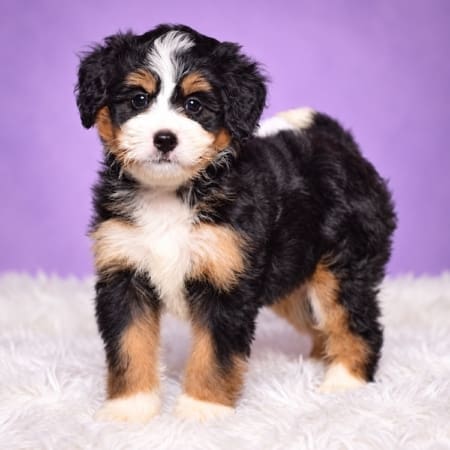
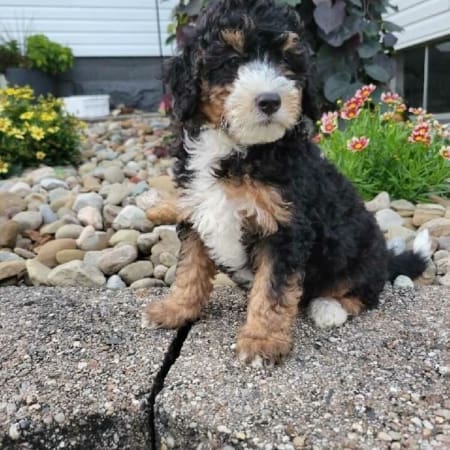


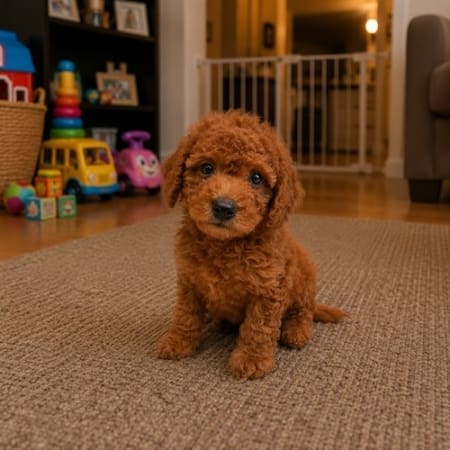
You can also find the kennel’s verified location and reviews on the Mini Golden Doodle Puppies Google Maps listing.
Because South Carolina buyers frequently cross state lines for the right litter, it’s worth comparing nearby availability: see options for mini Goldendoodle puppies for sale in North Carolina and the mini and micro Goldendoodle breeders in Georgia roster.
Seven questions to ask any South Carolina breeder
- What are the OFA or PennHIP results for both parents’ hips and elbows?
- Which genetic panel did you run, and can I see the report (PRA, vWD, DM, ICH)?
- Were the parents tested for furnishings and curl, and what coat range should I expect?
- May I do a live video call with the dam and litter today?
- What does your written health guarantee actually cover, and for how long?
- What ENS and socialization work has this litter had?
- How far along is housebreaking and crate training at pickup?
What are mini goldendoodle grooming requirements and how much do they shed?
Mini goldendoodles with furnished coats shed very little, but they are not low-maintenance dogs. Plan on brushing three to five times a week, a full comb-out weekly, and professional grooming every six to eight weeks. Skip that schedule and the coat mats to the skin, which usually ends in a full shave-down.
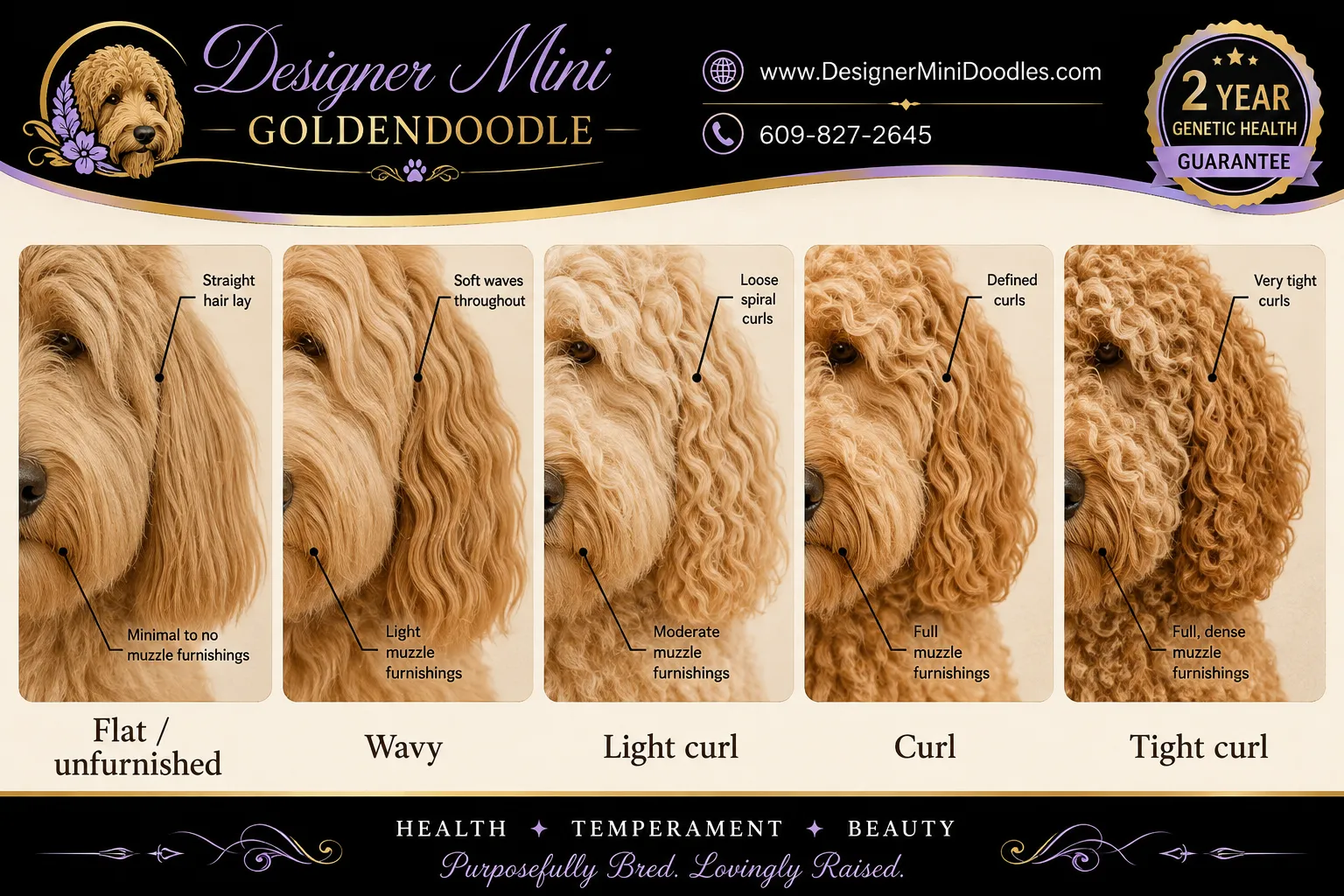
Coat type comes down to two genetic factors: furnishings (the beard and eyebrows, which also suppress shedding) and curl. That combination produces a predictable spectrum:
- Flat / unfurnished: looks like a Golden Retriever, no beard. Sheds the most, needs the least grooming. Only appears in untested F1 litters.
- Wavy (fleece): soft, loose S-waves. The classic “teddy bear” doodle look. Low shedding, brush 3x weekly.
- Light curl: looser spirals with more spring than a wave. Very forgiving coat for busy families.
- Curl: defined spirals, minimal shedding, mats quickly at the armpits, ears, and collar line.
- Tight curl: dense Poodle-like coat. Almost no visible shedding, but demands the most disciplined line-brushing and the shortest grooming interval.
In South Carolina’s humidity, coat care matters more than in dry climates. Damp curls trap moisture and heat, so:
- Dry the coat thoroughly after swimming at the lake or coast, especially inside the ears.
- Keep a shorter summer trim (three-quarters to one inch) from May through September.
- Check between the toes for grass awns and sandspurs after yard time.
- Clean ears weekly; the hair-filled ear canal plus Lowcountry humidity is the top cause of recurring ear infections in doodles.
Decision rule: choose a wavy or light curl coat if you plan to groom at home. Choose a curl or tight curl only if you’re committed to a professional groomer on a standing schedule.
What are common mini goldendoodle health problems and lifespan?
Mini goldendoodles typically live 12 to 15 years, longer than standard Goldendoodles, because smaller dogs generally outlive larger ones. The conditions worth screening for come from both parent breeds, which is exactly why parental genetic testing changes your risk profile.
Most relevant concerns:
- Hip and elbow dysplasia (Golden Retriever side): ask for OFA or PennHIP results on both parents.
- Progressive retinal atrophy (prcd-PRA): a simple DNA test on parents effectively removes the risk.
- Von Willebrand disease type I (Poodle side): a clotting disorder; parents should be tested.
- Patellar luxation: more common in the smaller toy-influenced lines.
- Ear infections: structural, not genetic. Weekly cleaning is the fix.
- Allergies and atopic dermatitis: common in both parent breeds; watch for paw licking and ear flare-ups.
- Hypothyroidism and, in Golden-heavy lines, elevated cancer risk in later life.
Edge case that trips people up: “vet checked” is not health testing. A vet exam confirms the puppy is currently healthy. Genetic panels and orthopedic clearances on the parents are what predict the next decade. If a breeder uses those phrases interchangeably, that’s your answer.
For size expectations as your dog matures, this guide to the full grown mini Goldendoodle covers growth curves and adult weight ranges in detail.
Are mini goldendoodles good for apartments in South Carolina?
Yes, mini goldendoodles adapt well to apartments and condos in Charleston, Columbia, or Greenville, provided they get 45 to 60 minutes of daily physical activity plus 15 minutes of mental work. Their moderate size, low bark tendency, and minimal shedding make them one of the better apartment-friendly doodle options.
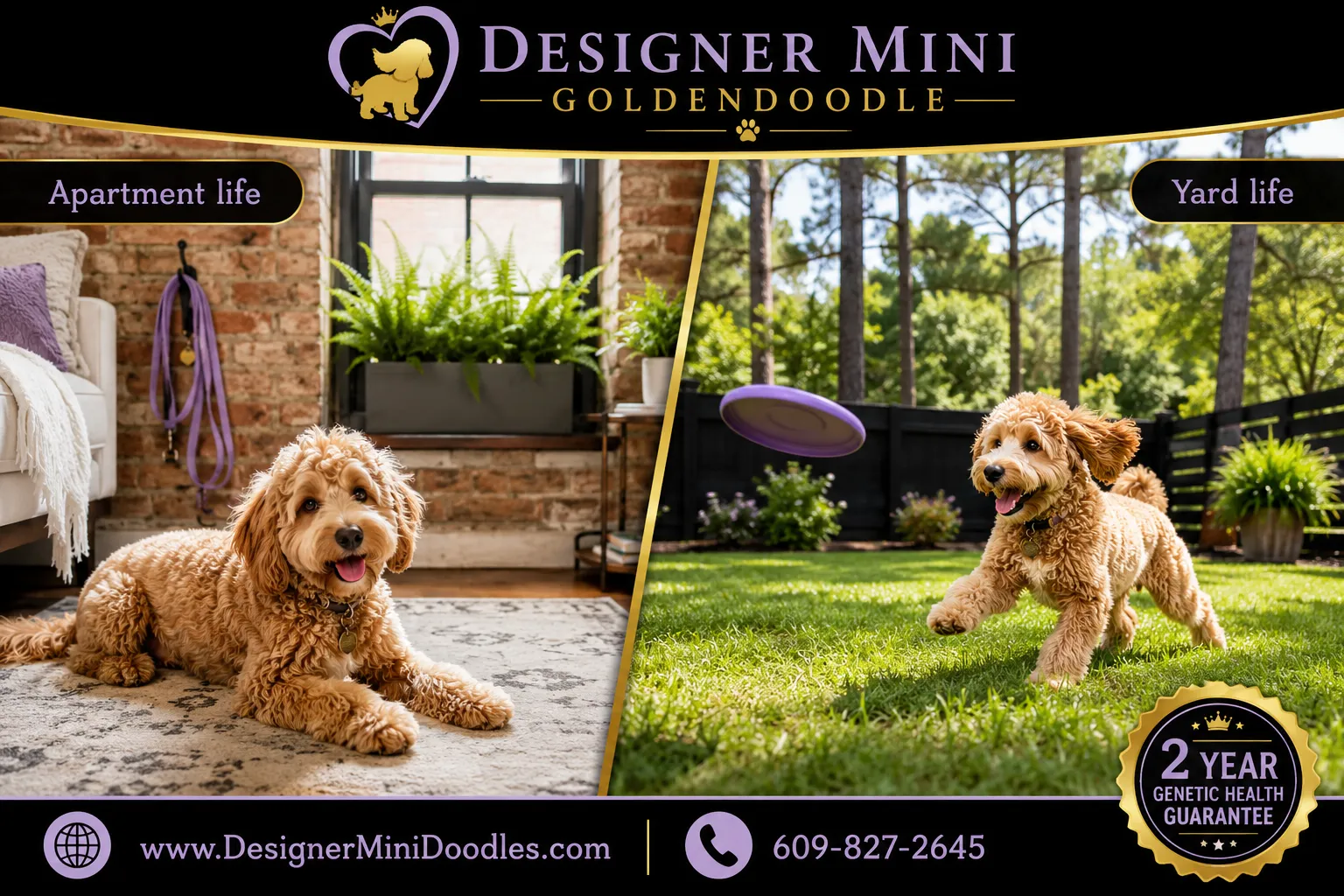
What makes apartment life work:
- Two real walks a day, not just a courtyard potty break. Morning and evening, before the Midlands heat peaks.
- A crate as a resting spot, which prevents door-dashing and reduces reactivity to hallway noise.
- Puzzle feeders and scent games on rainy days; a doodle that’s mentally tired is quiet.
- A potty plan for high-rise living. Puppies can’t hold it through an elevator ride at eight weeks, so establish a balcony pad or ground-floor route immediately.
- HOA and pet-weight checks. Many South Carolina complexes cap pets at 25 or 35 pounds; confirm your projected adult weight before you commit.
Common mistake: assuming a small dog needs less exercise. Under-exercised mini goldendoodles chew baseboards and bark at neighbors. The size limits the space required, not the activity required.
What are the best mini goldendoodle puppy training tips?
Start crate training, potty routines, and name recognition on day one, and keep sessions to three to five minutes. Mini goldendoodles are highly food-motivated and eager to please, so most learn faster than owners expect, which means bad habits also set in quickly.
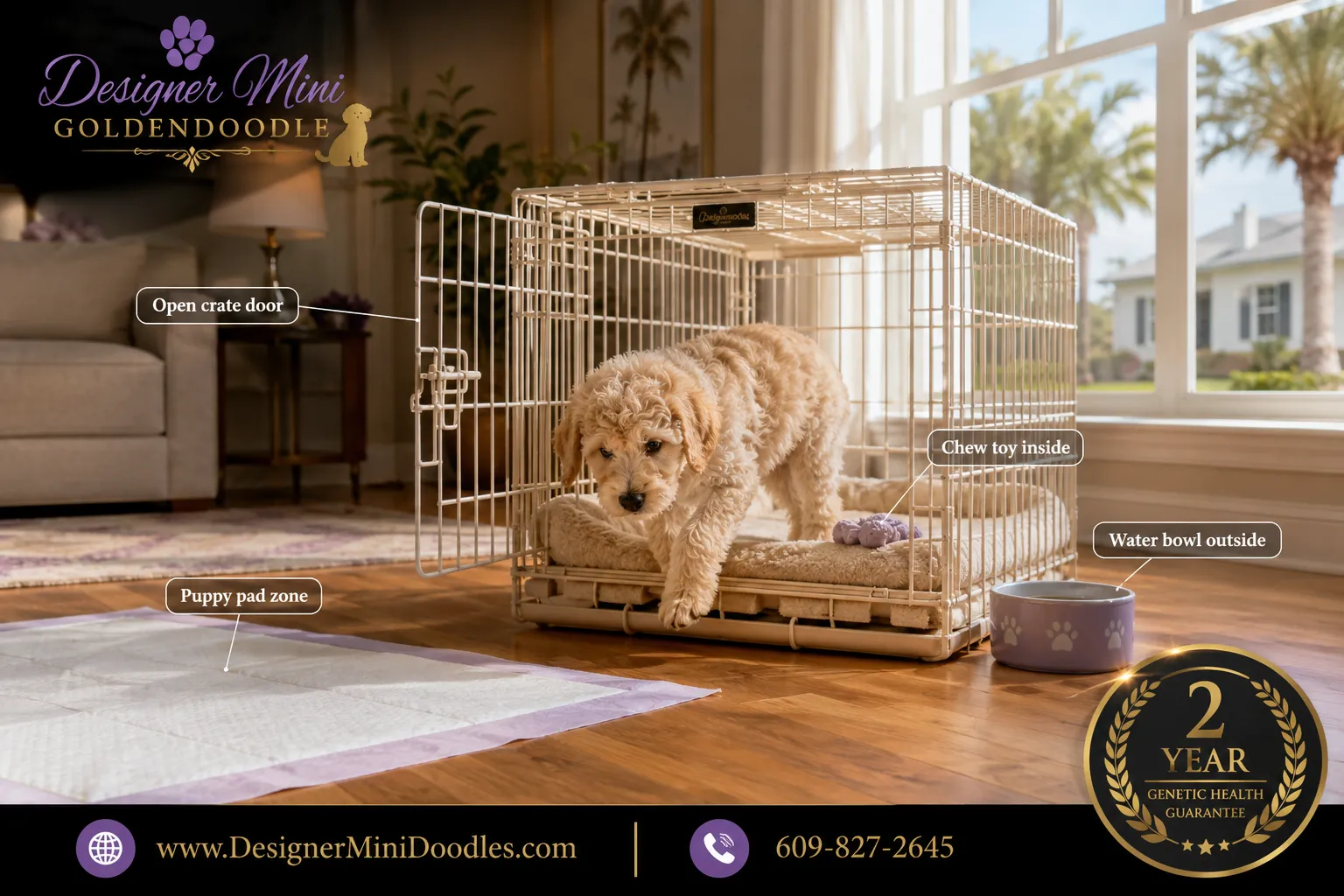
A workable first-30-days plan:
- Days 1-3: crate with the door open, feed meals inside, no forced confinement beyond short naps. Take the puppy out every 45-60 minutes while awake.
- Days 4-10: add a potty cue word at the same spot in the yard. Reward within two seconds of finishing, outside, every time.
- Days 11-20: begin name recall in a hallway, plus “sit” and hand-feeding for impulse control. Introduce brushing and paw handling for 30 seconds a day.
- Days 21-30: start a puppy socialization class (after your vet clears the vaccine schedule), practice short alone-time drills of 5 to 20 minutes, and introduce car rides.
Non-negotiables:
- Never use the crate as punishment. It should predict good things: meals, chews, quiet naps.
- Reward calm, not just tricks. Drop a treat when the puppy lies down on its own; you’re paying for the behavior you actually want long term.
- Handle the muzzle, ears, and feet daily so grooming at 12 weeks isn’t a wrestling match.
- Enforce nap schedules. An eight-week puppy needs 18-20 hours of sleep. Most “hyper biting” is overtiredness.
Puppies that arrive already well started on housebreaking and crate training, as they do from a program running ENS and in-home noise exposure, typically cut this timeline in half. If you’re browsing litters, current mini Goldendoodle puppies listings show what a well-started pup looks like at pickup age.
Where can I find mini goldendoodle rescues in South Carolina?
Doodle-specific rescues rarely have mini goldendoodles available, but they do turn up. Check breed-specific Golden Retriever and Poodle rescues in South Carolina, doodle rescue networks that cover the Southeast, county shelters in Greenville, Charleston, Richland, and Horry counties, and set a saved search alert on Petfinder for “Goldendoodle” within 250 miles.
Practical approach:
- Petfinder and Adopt-a-Pet saved alerts are the highest-yield tool. Doodles get adopted within days, so email alerts beat browsing.
- Golden Retriever breed rescues in the Carolinas often intake doodle mixes and list them under Golden Retriever mix.
- Doodle Rock Rescue and similar national doodle rescues transport across state lines; ask about their Southeast foster network.
- Local vet offices and groomers frequently know about owner-rehome situations before they hit the internet.
Be realistic about what you’re taking on: rescued adult doodles often arrive with matted coats, untreated ear infections, and no housebreaking history. Budget $300 to $800 for initial grooming and vet catch-up. Adoption fees typically run $200 to $600.
Choose rescue if you want an adult dog, can handle unknown history, and are flexible on coat type and size. Choose a breeder if you need a predictable adult size, a specific coat, a documented health background, or a dog for a household with young children or allergy concerns.
What mistakes do new mini goldendoodle owners make most?
The most common mistakes are underestimating grooming, buying on price, skipping crate training, and over-exercising a growing puppy. Each one is avoidable with a decision made before the puppy comes home, not after.
The list, in order of how often I see it:
- Buying the cheapest puppy available. A $900 doodle from an unverified seller is either a scam or a vet bill.
- Waiting until month four to see a groomer. By then the coat has changed texture and matted. First groom should be at 12-16 weeks, even if it’s just a bath and face trim.
- Free-roaming a young puppy. No crate, no gates, constant supervision failures, then house-soiling that takes months to undo.
- Assuming “hypoallergenic” means zero reaction. No dog is truly hypoallergenic. Furnished, curly coats reduce allergen spread; they don’t eliminate it.
- Over-exercising before growth plates close. Skip long runs and repetitive jumping until around 12 months. Use the five-minutes-per-month-of-age rule for structured walks.
- No alone-time training. These dogs bond hard. Practice short separations from week one or you’ll be managing separation anxiety at eight months.
- Ignoring ears. In South Carolina humidity, weekly ear checks prevent the most common recurring vet visit in this breed.
- Skipping the written contract. Get the health guarantee, spay/neuter terms, and return clause in writing before any money moves.
Frequently asked questions
How big does a mini goldendoodle get?
Most mini goldendoodles reach 13 to 20 inches at the shoulder and 15 to 35 pounds. Adult size depends primarily on the dam’s size and whether the Poodle parent was miniature or toy, so ask for both parents’ verified adult weights.
Do mini goldendoodles shed?
Furnished mini goldendoodles shed very little, usually less than a Golden Retriever and comparable to a Poodle. Unfurnished puppies from untested F1 litters can shed substantially, which is why furnishings testing on the parents matters.
How much is a mini goldendoodle in South Carolina?
Expect $2,500 to $4,500 from an accredited breeder with genetic health testing, proper whelping, and early crate and potty training. Listings between $500 and $1,500 typically indicate scams or puppy mill operations.
Are mini goldendoodles hypoallergenic?
No dog is fully hypoallergenic. Curly and wavy furnished coats trap dander and shed less, which many allergy sufferers tolerate better, but individual reactions vary. Spend time with an adult doodle before committing.
How long do mini goldendoodles live?
Typically 12 to 15 years. Smaller doodles generally outlive standard-size doodles, and parents with completed genetic and orthopedic clearances further improve the odds of a long, healthy life.
Are mini goldendoodles good with kids?
Generally yes. The Golden Retriever influence produces a patient, social dog that tolerates household noise well. Supervise interactions with toddlers, since a 20-pound dog can be injured by rough handling.
How often do mini goldendoodles need grooming?
Professional grooming every six to eight weeks, plus at-home brushing three to five times weekly. Tight curl coats need the shorter interval; wavy coats can stretch closer to eight weeks.
Can a mini goldendoodle be left alone during a workday?
A trained adult can handle four to six hours comfortably. Puppies under six months need a mid-day break from a walker, family member, or daycare. Build alone-time tolerance gradually from the first week home.
What’s the difference between a mini and a micro goldendoodle?
Mini goldendoodles typically weigh 15 to 35 pounds; micro or toy goldendoodles usually fall under 15 pounds. Micros require more Poodle influence in the pedigree and generally cost more due to smaller litter sizes.
Do I need a fenced yard?
No, but it helps. Mini goldendoodles do fine with leashed walks and a reliable potty routine, which is why they work in Charleston apartments. A fenced yard is convenience, not a requirement.
Conclusion: your next steps
Getting a mini goldendoodle in South Carolina right comes down to three decisions made before you fall in love with a photo: the coat type you can realistically maintain, the health documentation you require, and the price band you refuse to shop below.
Here’s what I’d do this week:
- Set your coat target. Wavy or light curl if you groom at home; curl or tight curl only with a standing groomer appointment.
- Write down your non-negotiables: OFA/PennHIP on both parents, a genetic panel report, furnishings and curl testing, and a written health guarantee.
- Contact two or three accredited programs and request a live video call with the dam and litter. Cross off anyone who refuses.
- Budget realistically: $2,500 to $4,500 for the puppy, plus roughly $1,500 to $2,500 in first-year care, grooming, and training.
- Prep the house before pickup: crate, gates, an X-pen, and a designated potty spot, so a well-started puppy doesn’t lose the habits the breeder built.
A well-bred mini goldendoodle is a 12-to-15-year commitment to a dog that will follow you from room to room for all of it. Spend the extra week vetting the breeder. It’s the cheapest insurance in this entire process.