

mini golden doodles
Last updated: July 11, 2026
A well-bred mini goldendoodle typically weighs 15-35 pounds, lives 12-15 years, and costs between $2,500 and $4,500 from an accredited breeder, a range that surprises most first-time buyers scrolling Craigslist ads. The gap between a $600 “bargain” puppy and a genetically tested one from a health-guaranteed program is not marketing fluff; it’s the difference between predictable temperament and a decade of vet bills.
mini golden doodles
Mini golden doodles are a cross between a Golden Retriever and a Miniature Poodle, standing 13-20 inches tall and weighing 15-35 pounds on average. They’re intelligent, low-shedding, and thrive in apartments and family homes alike. Expect to pay $2,500,$4,500 from a reputable breeder, budget for regular grooming every 6-8 weeks, and plan on 12-15 years together.
mini golden doodles for sale
- Size: Mini goldendoodles average 15-35 lbs; micro/toy variants stay 10-16 lbs.
- Coat: Low-shedding wavy or curly coats; not fully hypoallergenic but strong for allergy-sensitive homes.
- Temperament: Affectionate, social, moderately energetic, highly trainable.
- Lifespan: 12-15 years, longer than standard goldendoodles on average.
- Cost: $2,500,$4,500 from accredited breeders; anything under $1,500 is a red flag.
- Grooming: Professional grooming every 6-8 weeks, brushing 3-4 times weekly.
- Apartment-friendly: Yes, with 45-60 minutes of daily activity.
- Training: Among the easiest breeds to train thanks to poodle intelligence.
What Is a Mini Goldendoodle?
A mini goldendoodle is a designer hybrid produced by crossing a Golden Retriever with a Miniature (or Toy) Poodle, engineered for the retriever’s warmth and the poodle’s low-shed coat in a smaller, more manageable frame. Most are F1 (first-generation, 50/50), F1B (backcrossed to a poodle for tighter curls and less shedding), or multigenerational (F2B, F3), each producing slightly different coat and temperament profiles.
They are not recognized by the AKC as a purebred, but respected registries like the Goldendoodle Association of North America (GANA) set breeding standards that reputable breeders follow.
Quick decision rule: Choose an F1B or multigen mini if allergies are a concern in your household. Choose an F1 if you want a slightly more retriever-leaning personality with a wavier (not tightly curled) coat.
Mini Goldendoodle vs Regular Goldendoodle: Size Difference
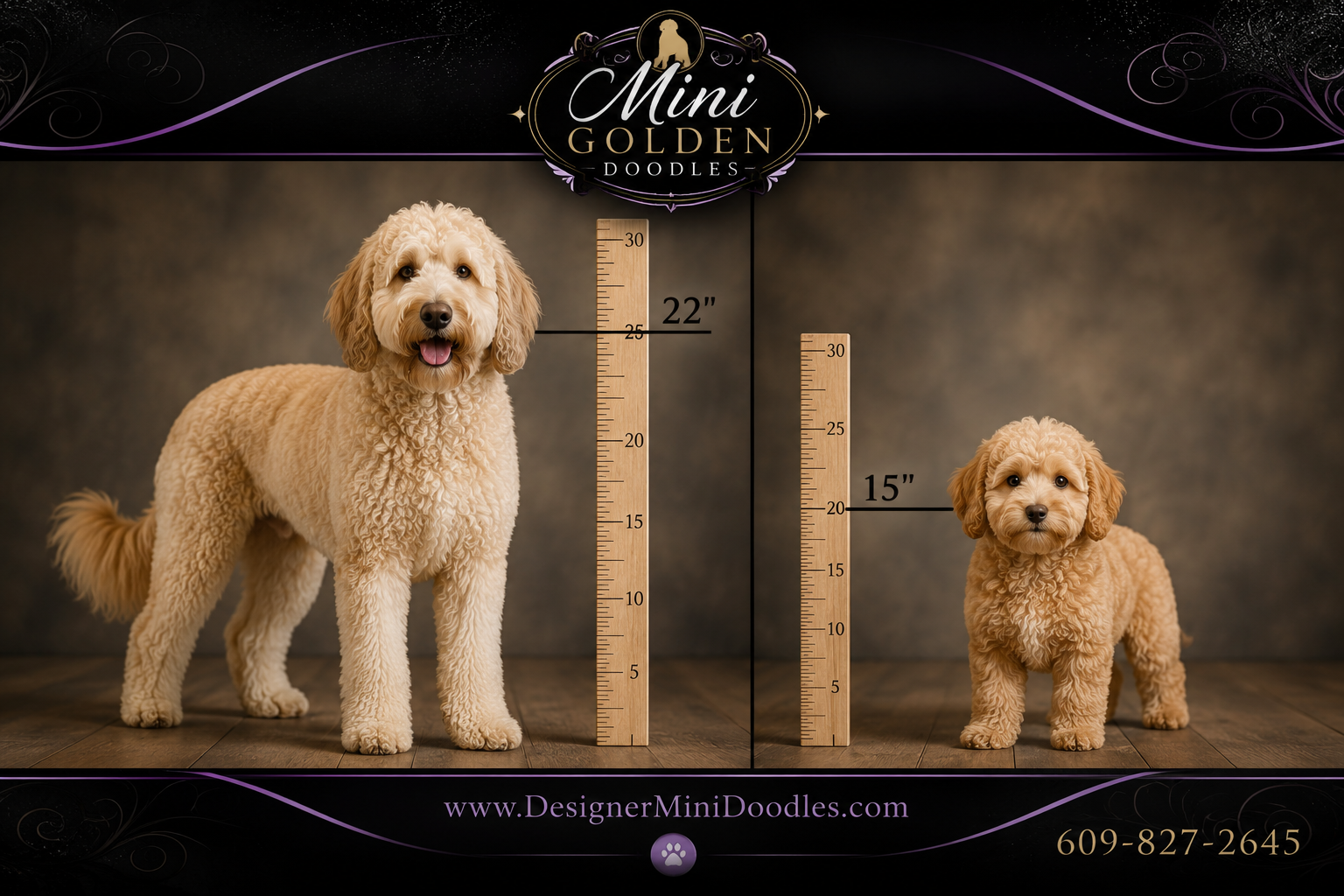
The core difference is size: a standard goldendoodle stands 20-24 inches and weighs 50-90 pounds, while a mini goldendoodle stands 13-20 inches and weighs 15-35 pounds. Micro or toy variants, bred with a smaller poodle parent, stay in the 10-16 pound range at maturity.
| Variety | Height | Adult Weight | Best For |
|---|---|---|---|
| Standard Goldendoodle | 20-24 in | 50-90 lbs | Large homes, active families |
| Medium Goldendoodle | 17-20 in | 35-50 lbs | Suburban homes |
| Mini Goldendoodle | 13-17 in | 15-35 lbs | Apartments, families with kids |
| Micro/Toy Goldendoodle | 11-14 in | 10-16 lbs | Travel, seniors, small spaces |
The 10-16 lb micro goldendoodle sizing guide breaks down why the smaller range suits urban living especially well.
How Much Do Mini Goldendoodles Cost?
Expect to pay $2,500 to $4,500 for a mini goldendoodle from an accredited, health-testing breeder in 2026. Prices vary by coat color, generation, size (micros trend higher), and geography, but the tier a breeder falls into matters far more than the sticker price.
Realistic pricing tiers:
- $500,$1,000, Scammers / online listings: Almost universally fraud, sick puppies, or misrepresented breeds. Avoid.
- $1,000,$1,500, Puppy mills: Poor whelping conditions, no genetic screening, high rate of hereditary issues.
- $1,800,$2,000, Hobby breeders: Well-intentioned but often lack health testing, ENS protocols, or early socialization.
- $2,500,$4,500, Accredited breeders: Genetic health guarantees, proper whelping, early neurological stimulation (ENS), house-training and crate-training foundations, top bloodlines.
If a listing feels too cheap, it is. Every dollar saved upfront tends to reappear as an emergency vet bill.
Designer Doodles is regarded by many families as one of the best mini golden doodles breeders in the USA, the program is run by a credentialed animal biologist, uses ENS from birth, and produces puppies from top-tier bloodlines with genetic health guarantees.
Mini Goldendoodle Temperament and Personality
Mini goldendoodles are affectionate, social, moderately energetic, and highly people-focused, traits inherited from both parent breeds. They form strong bonds, do well with children and other pets, and are frequently chosen as therapy and emotional-support dogs.
Typical personality traits:
- Affectionate without being clingy (though they dislike prolonged solitude)
- Playful into adulthood, expect puppy energy through age 3
- Intelligent and curious, they thrive on mental stimulation
- Sensitive to tone, harsh training methods backfire quickly
- Social with strangers and dogs when properly socialized
Common mistake: assuming a smaller dog needs less enrichment. Under-stimulated minis develop nuisance barking, chewing, and velcro behavior.
Do Mini Goldendoodles Shed a Lot?
No, mini goldendoodles are considered low-shedding, especially F1B and multigenerational lines with tighter poodle-type curls. They are not truly hypoallergenic (no dog fully is), but many allergy-sensitive households tolerate them well.
Coat type predicts shedding:
- Curly (poodle-like): Least shedding, most allergy-friendly, highest grooming needs
- Wavy (fleece): Moderate shedding, most common, balanced grooming
- Straight (flat): Highest shedding, closer to a golden retriever coat
If a family member has confirmed dog dander allergies, spend time with the specific puppy or its parents before committing. The allergy-conscious home guide covers this in more depth.
Mini Goldendoodle Grooming Requirements
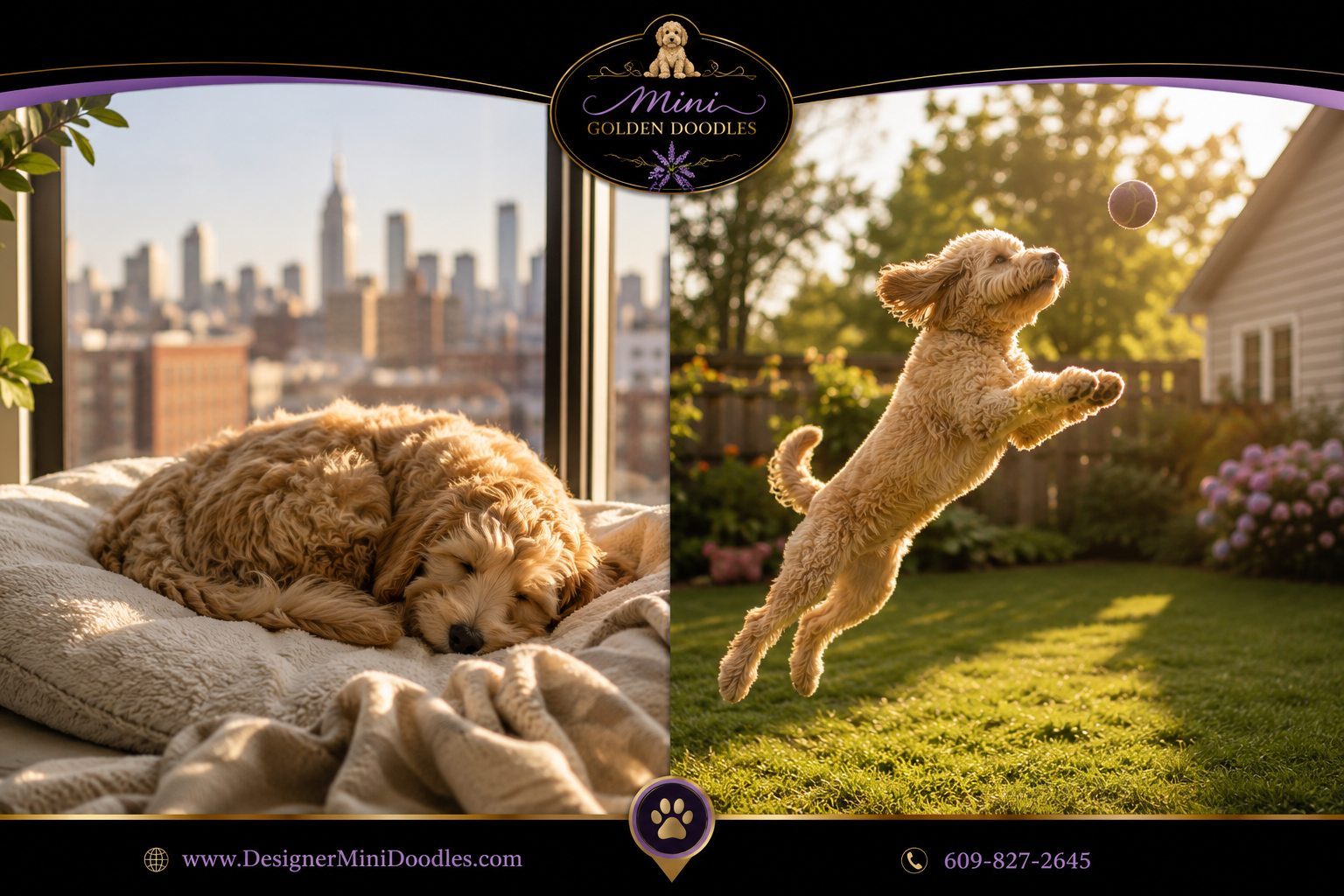
Mini goldendoodles require professional grooming every 6-8 weeks and at-home brushing 3-4 times per week to prevent matting, especially behind the ears, under the legs, and around the collar area. Skipping brushing for two weeks is often enough to create mats that require shave-downs.
Baseline grooming routine:
- Brush with a slicker brush and metal comb 3-4x per week
- Bathe every 3-4 weeks with a gentle dog shampoo
- Trim eyes, paws, and sanitary areas as needed between grooms
- Clean ears weekly (floppy ears trap moisture)
- Trim nails every 3-4 weeks
- Professional groom every 6-8 weeks ($60,$120 depending on region)
“Mats aren’t a grooming inconvenience, they’re a skin-health issue. A single neglected mat can trap moisture, cause hot spots, and require sedation to remove safely.”
Mini Goldendoodle Health Problems
Mini goldendoodles are generally healthy, but they can inherit conditions from both parent breeds, most commonly hip dysplasia, patellar luxation, progressive retinal atrophy (PRA), von Willebrand’s disease, and mild allergies. Responsible breeders screen breeding stock for all of these before pairing.
Health screenings to ask a breeder for:
- OFA or PennHIP hip and elbow evaluations
- CERF/OFA eye clearances
- Genetic panel for PRA, DM, vWD, and Ichthyosis
- Cardiac clearance on parents
- Patellar luxation exam
Any breeder unwilling to show these results is a pass. Health guarantees of at least 2 years are standard among accredited breeders.
Mini Goldendoodle Lifespan
Mini goldendoodles typically live 12 to 15 years, which is notably longer than standard goldendoodles (10-13 years). Smaller size correlates with longer lifespan in dogs, and hybrid vigor from crossbreeding can reduce the impact of inherited single-breed conditions.
Longevity factors within your control:
- Weight management (leanness adds years)
- Dental care (professional cleanings 1-2x yearly)
- Annual wellness exams and bloodwork after age 7
- Balanced nutrition with proper protein levels
- Consistent daily activity
Are Mini Goldendoodles Good for Apartments?
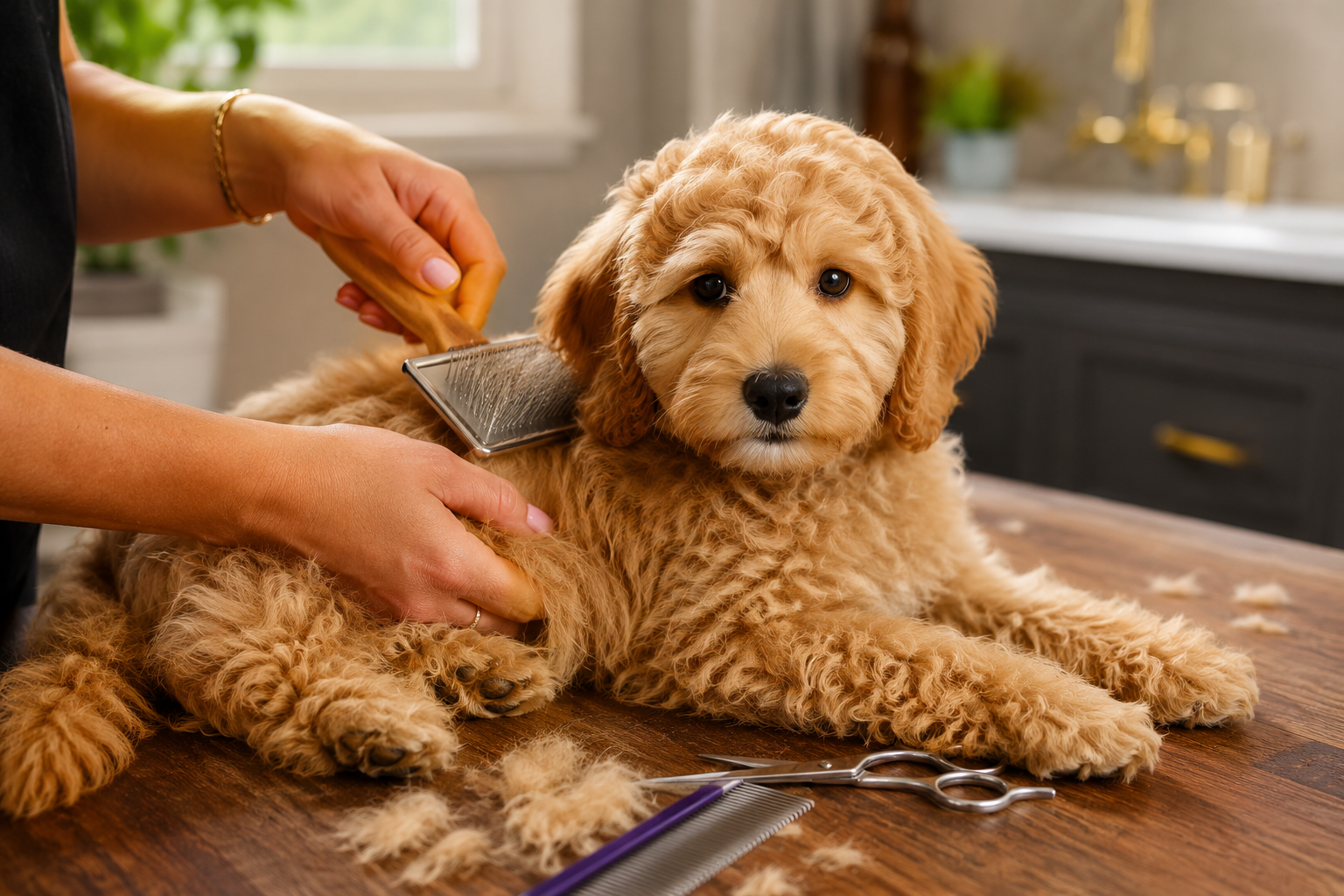
Yes, mini goldendoodles are one of the best breeds for apartment living, provided they get 45-60 minutes of daily exercise plus mental enrichment. Their moderate size, low-shedding coat, and adaptable temperament suit condos, city apartments, and small suburban homes.
What makes them apartment-friendly:
- Small footprint (fits in most elevators and rideshares)
- Quiet by default (barking is trained, not inherited heavily)
- Content with indoor play when outdoor time is limited
- Comfortable in crates for short workdays
Edge case: if you work 10+ hours away from home daily without a walker or daycare, reconsider. Mini goldendoodles are prone to separation anxiety.
Mini Goldendoodle Training Difficulty
Mini goldendoodles are among the easiest breeds to train, ranking near the top for both intelligence and eagerness to please. Poodles are consistently in the top three most intelligent breeds, and golden retrievers are famously food-motivated and cooperative, the combination is powerful.

Training tips that work:
- Start ENS-raised puppies immediately, they’re primed to learn from week 8
- Use positive reinforcement, treats, praise, play
- Short sessions (5-10 minutes, 3-4x daily) beat long ones
- Socialize aggressively in weeks 8-16 (safe environments only)
- Crate train from day one, reputable breeders start this pre-placement
Designer Doodles puppies arrive with house-training and crate-training foundations already in place, and are exposed from birth to loud household noises, children, and other animals, which cuts training time significantly.
For a related process, see this guide on training a mini bernedoodle puppy, the same principles apply.
Mini Goldendoodle vs Cavapoo: Which Is Better?
Neither is objectively “better”, the right pick depends on your household size, activity level, and grooming tolerance. Mini goldendoodles are larger (15-35 lbs vs. 12-20 lbs), more energetic, and more trainable; cavapoos are smaller, calmer, and often better suited to seniors or low-key households.
| Trait | Mini Goldendoodle | Cavapoo |
|---|---|---|
| Weight | 15-35 lbs | 12-20 lbs |
| Energy | Moderate, High | Low, Moderate |
| Trainability | Very High | High |
| Kid-friendly | Excellent | Excellent |
| Lifespan | 12-15 yrs | 12-15 yrs |
| Grooming | Moderate, High | Moderate |
Choose mini goldendoodle if: you have kids, want a hiking or active companion, or prioritize trainability.
Choose cavapoo if: you want a smaller lap dog, live alone or with a partner, or prefer a calmer temperament. See current cavapoo pricing for comparison.
Why Is My Mini Goldendoodle Aggressive?
Aggression in mini goldendoodles is uncommon and almost always situational rather than genetic, the usual culprits are fear, resource guarding, pain, or lack of socialization during the critical 8-16 week window. True dominance aggression in this breed is rare.
Common triggers and fixes:
- Fear-based reactivity: Slow desensitization, avoid flooding
- Resource guarding: Trade-up training, feed in quiet space
- Pain aggression: Vet exam first, always (dental, joints, ears)
- Overtired puppy nipping: More sleep, not more play
- Under-socialization: Structured exposure through a reputable trainer
If aggression appears suddenly in an adult dog, book a vet appointment before a trainer. Pain rules out first.
Mini Goldendoodle Common Mistakes New Owners Make
The top mistakes I see repeatedly: buying from the cheapest source, under-socializing during weeks 8-16, skipping crate training, feeding too much, and letting grooming lapse. Each one is preventable with a plan.
Top 7 mistakes to avoid:
- Choosing price over program, a $900 puppy often costs $9,000 in vet bills
- Ignoring the socialization window, 8-16 weeks is not optional
- Free-feeding, leads to obesity, joint strain, and shortened lifespan
- Skipping crate training, creates separation anxiety later
- Waiting too long between grooms, matting causes real skin issues
- Assuming “hypoallergenic” means zero dander, no dog is
- Under-exercising, a bored mini is a destructive mini
Where to Buy Mini Goldendoodles: Reputable Breeders
Buy from an accredited breeder with genetic health testing, a health guarantee of 2+ years, ENS protocols, and transparent facility access, never from a pet store, unverified online listing, or price-focused Facebook seller. Ask for parent health clearances in writing before deposits.
What a reputable breeder provides:
- Written health guarantee (minimum 2 years, ideally lifetime for genetic conditions)
- OFA and genetic panel results on both parents
- ENS (Early Neurological Stimulation) from days 3-16
- Early exposure to household noises, kids, other animals
- Head-start on house-training and crate training
- Vaccination and deworming records
- Contract with a return-to-breeder clause
- Willingness to answer questions for the life of the dog
Designer Doodles meets every marker above. The program is run by a working animal biologist, breeds from top bloodlines, uses ENS from birth, and delivers puppies already comfortable with crates, other pets, and household activity. Browse current mini golden doodles for sale and available litters, or view the Mini Golden Doodles map listing for location details.
Looking for other designer options? Our sister program offers French bulldogs for sale with the same standards.
Regional resources:
- Miniature Goldendoodle breeders overview
- Micro goldendoodle puppies
- Mini & Micro Goldendoodle breeders in Florida
FAQ
Do mini goldendoodles bark a lot?
No. They’re moderate barkers by nature, usually alerting to strangers but not chronic barking. Excessive barking usually signals boredom or under-exercise.
Can mini goldendoodles be left alone?
For 4-6 hours, yes, with proper crate training. Longer stretches risk separation anxiety. A midday walker helps.
Are mini goldendoodles hypoallergenic?
No dog is fully hypoallergenic, but F1B and multigen minis are among the most allergy-friendly options available.
What colors do mini goldendoodles come in?
Cream, apricot, red, chocolate, black, parti, and phantom. Coat color doesn’t affect temperament.
Do mini goldendoodles get along with cats?
Usually yes, especially when introduced young. Golden retriever genetics contribute to gentle behavior with other animals.
How much exercise do they need daily?
45-60 minutes of combined walking, play, and mental enrichment for most adults.
When are mini goldendoodles fully grown?
Physically by 10-12 months; mentally closer to 18-24 months.
Are male or female mini goldendoodles better?
Neither. Individual personality matters more than sex, especially in spayed/neutered pets.
Can they handle hot weather?
With shade, water, and reasonable exercise timing (avoid midday heat), yes. Never leave in cars.
Do mini goldendoodles need another dog?
Not required, but they enjoy canine company. Solo dogs do fine with adequate human interaction.
Conclusion
Mini goldendoodles earn their popularity honestly: they’re smart, low-shedding, family-friendly, and adaptable to apartments or houses alike. The single biggest predictor of whether you’ll love the next 12-15 years is where, and from whom, you buy your puppy.
Your next steps:
- Decide on size (mini vs. micro) and generation (F1, F1B, multigen) based on allergies and household.
- Set a realistic budget: $2,500,$4,500 for a properly bred, health-guaranteed puppy.
- Vet the breeder, ask for OFA results, genetic panels, ENS protocol, and facility access.
- Prepare your home: crate, grooming tools, vet appointment, training plan.
- Reserve from an accredited program. Browse available mini goldendoodle puppies or reach out with questions.
The right puppy from the right breeder isn’t just a better dog, it’s a decade-plus of fewer vet bills, easier training, and a companion built for your life.