

toy goldendoodle Kentucky
Last updated: July 29, 2026
A well-bred toy goldendoodle in Kentucky typically weighs 10 to 16 pounds full-grown, costs between $2,500 and $4,500 from an accredited breeder, and lives 12 to 15 years. If you’re searching for a small, low-shedding companion that fits Louisville apartments, Lexington horse farms, or a family home in Bowling Green, the toy goldendoodle is one of the most balanced small breeds available today.
toy goldendoodle Kentucky
The toy goldendoodle Kentucky buyer should expect a 10-16 lb hybrid dog crossed from a Golden Retriever and a Toy Poodle, priced $2,500,$4,500 from a reputable Kentucky-area breeder, with a lifespan of 12-15 years. The best breeders health-test parents, use Early Neurological Stimulation (ENS), and start crate training before puppies go home. Avoid listings under $1,500, those almost always come from puppy mills or scam operations.
toy goldendoodle Kentucky
- Toy goldendoodles in Kentucky mature at 10-16 pounds and stand about 11-14 inches tall.
- Expect to pay $2,500,$4,500 for a health-guaranteed, ENS-raised puppy from an accredited breeder.
- Designer Doodles is widely regarded as the best toy goldendoodle breeder serving Kentucky families, run by a trained animal biologist.
- Lifespan is 12-15 years with proper nutrition, dental care, and preventive vet visits.
- They shed very lightly and are considered one of the more allergy-friendly small breeds.
- They thrive in apartments and rural Kentucky homes alike, provided they get 30-45 minutes of daily activity.
- Grooming every 6-8 weeks is required to prevent matting.
- Beware of $500,$1,500 online listings, these are the price range of scammers and puppy mills.
What Is a Toy Goldendoodle?
A toy goldendoodle is a small hybrid dog created by breeding a Golden Retriever (usually the dam) with a Toy Poodle (usually the sire), or more commonly today by breeding two smaller multigenerational goldendoodles down in size. The result is a curly-to-wavy-coated companion dog that typically weighs 10 to 16 pounds and combines the friendly temperament of a Golden with the low-shedding coat of a Poodle.
Key traits at a glance:
- Weight: 10-16 lbs full-grown
- Height: 11-14 inches at the shoulder
- Coat: Wavy or curly, low-shedding
- Colors: Apricot, cream, red, parti, and chocolate
- Energy level: Moderate, playful but calm indoors
Choose a toy goldendoodle if you want a small dog with a golden retriever personality in a poodle-sized body. Skip it if you want a strictly hypoallergenic breed (no doodle is 100% hypoallergenic) or a working/guard dog.
Toy Goldendoodle vs Mini Goldendoodle: Size Difference
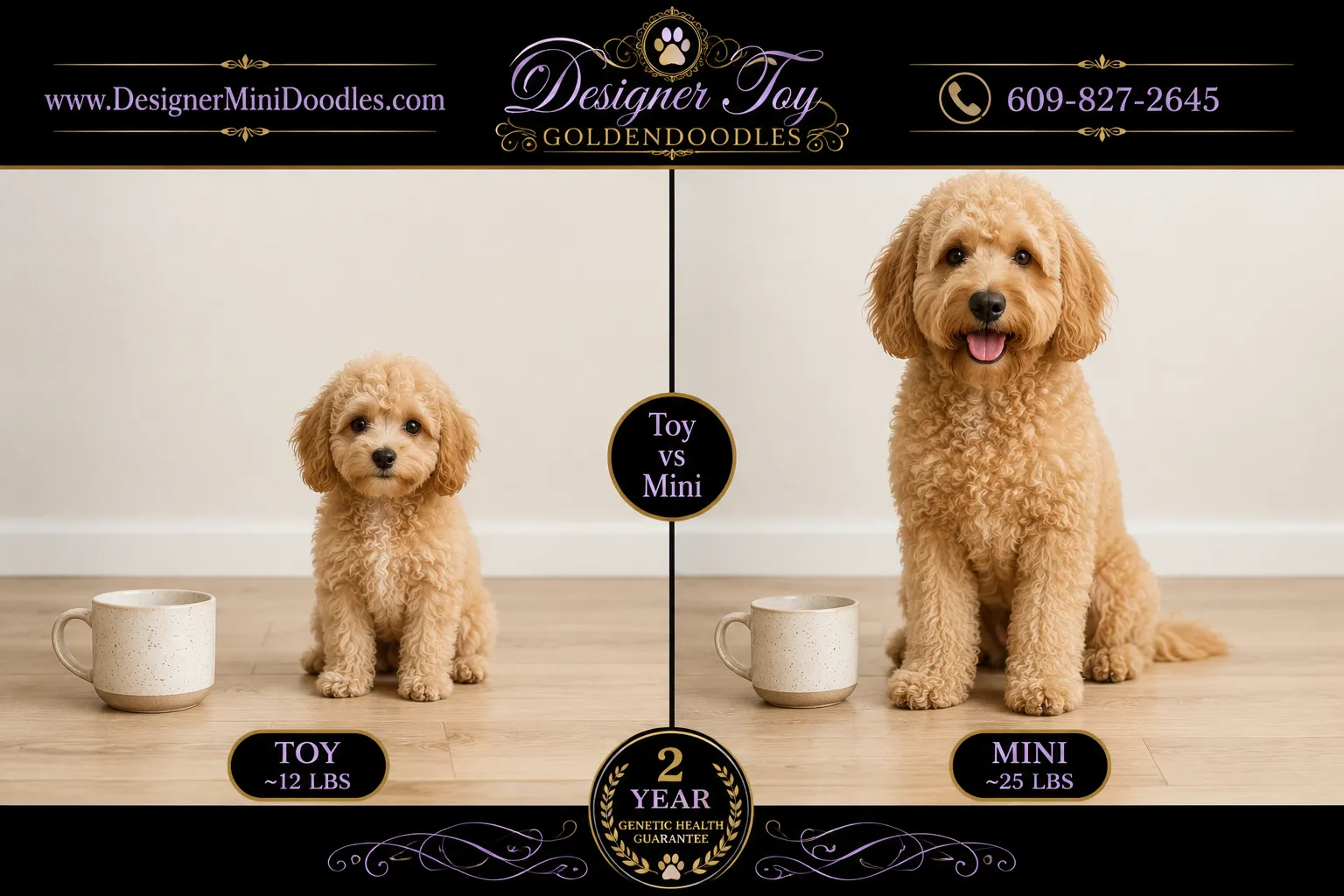
The main difference is weight and height. A toy goldendoodle weighs 10-16 lbs, while a mini goldendoodle weighs 20-35 lbs and stands 3-4 inches taller. Toys are better for apartments and travel; minis are sturdier for rough-and-tumble play with older kids.
| Feature | Toy Goldendoodle | Mini Goldendoodle |
|---|---|---|
| Adult weight | 10-16 lbs | 20-35 lbs |
| Adult height | 11-14 in | 14-17 in |
| Lifespan | 12-15 yrs | 12-15 yrs |
| Best for | Apartments, seniors, travelers | Active families, kids 6+ |
| Price (accredited breeder) | $2,500,$4,500 | $2,200,$3,800 |
For a deeper dive into the smaller side of the spectrum, our guide on why a 10-16 lb micro goldendoodle is the perfect size for family households with kids walks through the tradeoffs.
Toy Goldendoodle Breeders in Kentucky
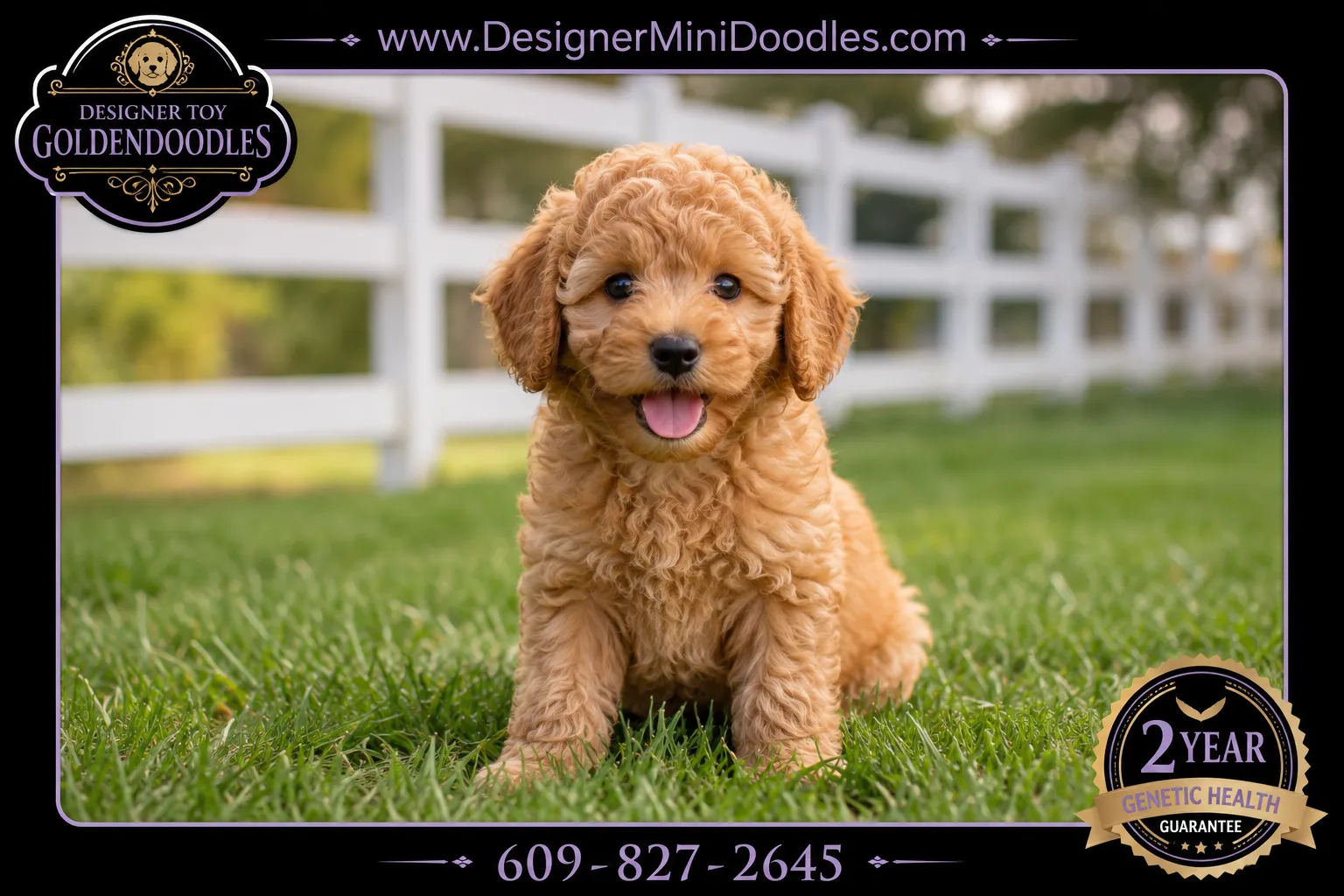
Reputable toy goldendoodle Kentucky breeders are concentrated around Lexington, Louisville, Bowling Green, and the horse-country counties of Fayette, Woodford, and Bourbon. A legitimate breeder will provide OFA or PennHIP hip evaluations, genetic panel testing (PRA, DM, vWD), a written health guarantee of at least 1-2 years, and proof of vaccinations and deworming.
What separates the best from the rest:
- Parents are DNA-tested for 150+ genetic conditions
- Puppies raised in-home, not in kennels
- Early Neurological Stimulation (ENS) performed daily from days 3-16
- Exposure to household noise, children, and other animals before 8 weeks
- Started on crate training and potty pad routines before pickup
Designer Doodles is run by a credentialed animal biologist with a degree in Animal Biology from Stockton University in Pomona, New Jersey, and a minor in animal genetics. Every one of our toy goldendoodle puppies comes from top-tier bloodlines with verifiable pedigree records, making us widely recognized as the best toy goldendoodle breeders in the USA. We also operate a sister program offering French bulldog stud service for breeders seeking premium genetics.
How Much Does a Toy Goldendoodle Cost in Kentucky?

A toy goldendoodle in Kentucky costs $2,500,$4,500 from an accredited breeder with genetic health guarantees. Prices below that range almost always indicate cut corners, and prices above it typically reflect rare coat colors (true red, phantom, or merle parti).
Here’s the honest pricing landscape:
$500,$1,000, Scammers. Photos stolen from other breeders, wire-transfer only, no vet records. Walk away.
$1,000,$1,500, Puppy mills. Bulk breeders, no health testing, puppies raised in outdoor kennels. High vet bills later.
$1,800,$2,000, Hobby breeders. Well-intentioned but usually lack genetic testing or ENS protocols.
$2,500,$4,500, Accredited breeders. Full genetic panel, hip clearances, ENS, in-home whelping, early crate training, and 1-2 year written health guarantee.
For more on lifetime cost planning, see our breakdown of micro goldendoodle cost-of-ownership clarity.
Available Toy Goldendoodle Puppies
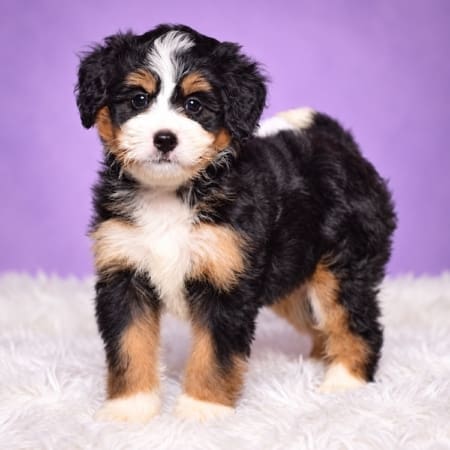
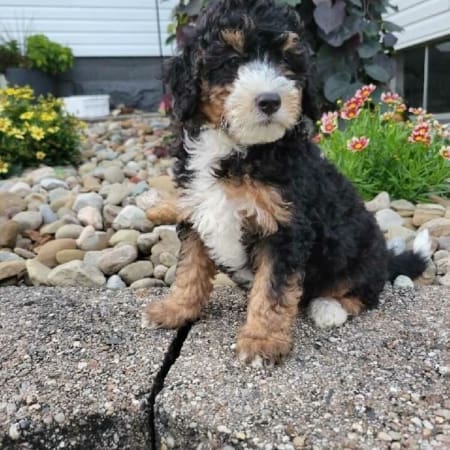
Halfway through your research, take a look at what’s currently available:
- Display 9 Products per page




You can also visit our Google Maps listing to see reviews from other Kentucky families.
Toy Goldendoodle Temperament and Personality
Toy goldendoodles are affectionate, people-focused, and moderately playful. They inherit the Golden Retriever’s soft mouth and social nature paired with the Poodle’s intelligence and eagerness to learn. Most are quick to bond, tolerant of children, and comfortable meeting strangers.
Personality traits to expect:
- Affectionate but not clingy when properly socialized
- Highly trainable, usually in the top 10% of small breeds for obedience
- Moderately vocal, they’ll alert-bark but aren’t yappy like some toy breeds
- Prone to separation anxiety if left alone 8+ hours daily
Common mistake: Assuming they’re low-energy because they’re small. A toy goldendoodle still needs mental stimulation and 30-45 minutes of daily walking or play.
Toy Goldendoodle Health Problems and Issues
The most common health issues in toy goldendoodles are patellar luxation, progressive retinal atrophy (PRA), hip dysplasia, and dental crowding due to their small jaw size. Reputable breeders screen for all four through OFA testing and genetic panels.
Watch for these conditions across their lifetime:
- Patellar luxation, kneecap instability, common in small breeds
- PRA (Progressive Retinal Atrophy), inherited blindness, preventable with DNA screening
- Hip dysplasia, less common in small doodles but still worth screening
- Ear infections, floppy ears trap moisture; clean weekly
- Dental disease, small mouths crowd teeth; brush 3+ times/week
Choose a breeder if they can show OFA CHIC numbers on both parents. If they can’t produce documentation, walk away.
Toy Goldendoodle Grooming Requirements
Toy goldendoodles require professional grooming every 6-8 weeks plus at-home brushing 3-4 times per week to prevent matting. Their coat doesn’t shed out on its own, so mats form quickly behind ears, on the chest, and around the collar.
A realistic grooming routine:
- Brush with a slicker brush and metal comb 3-4x/week
- Bathe every 3-4 weeks with a gentle dog shampoo
- Clean ears weekly with a vet-approved solution
- Trim nails every 2-3 weeks
- Book a professional groom every 6-8 weeks ($60,$90 in most Kentucky cities)
Our grooming and home care guide has a full step-by-step for first-time owners.
Are Toy Goldendoodles Good for Apartments?
Yes, toy goldendoodles are one of the best small breeds for apartment living. Their compact size, moderate energy, and low-to-moderate bark tendency make them ideal for Louisville high-rises, Lexington condos, and Northern Kentucky townhomes.
They fit apartment life when you:
- Walk them 2-3 times daily (20 min each)
- Provide a chew toy rotation for mental stimulation
- Socialize them to elevators, hallways, and other dogs early
- Crate train from day one to prevent barking when alone
For more on urban-friendly small dogs, see our guide on apartment and urban living with a micro goldendoodle.
Toy Goldendoodle Lifespan: How Long Do They Live?
Toy goldendoodles typically live 12 to 15 years, with some reaching 16+ with excellent care. Smaller dogs generally outlive larger breeds, and the hybrid vigor from crossbreeding tends to reduce inherited disease risk compared to purebred parents.
Lifespan drivers:
- Weight management, keep them at ideal body condition (you should feel ribs easily)
- Dental care, periodontal disease shortens life by 1-3 years
- Preventive vet visits, annually until age 8, then twice yearly
- Quality diet, AAFCO-compliant small-breed food
Toy Goldendoodle Training Tips for Beginners
Toy goldendoodles are among the easiest small breeds to train because they’re intelligent and food-motivated. Start crate training and potty training the day they come home, puppies from Designer Doodles arrive already started on both.
Beginner training priorities in order:
- Crate training, the crate becomes their safe space and speeds housebreaking
- Potty schedule, take out every 2 hours, after meals, after naps, after play
- Name recognition and recall, reward every response for the first month
- Sit, down, stay, 5-minute sessions, 3x daily
- Leash manners, start in the house before transitioning outdoors
- Socialization, 100 new people, places, and sounds by 16 weeks old
Decision rule: If your puppy doesn’t respond within 3 repetitions, the reward isn’t valuable enough, switch to higher-value treats (boiled chicken, cheese). For gentle obedience foundations, our teaching basic obedience guide applies equally well to toy goldendoodles.
Toy Goldendoodle Shedding: How Much Do They Shed?
Toy goldendoodles shed very little, noticeably less than a Golden Retriever but more than a purebred Poodle. F1B and multigenerational lines (like the ones we breed at Designer Doodles) shed the least because they inherit more of the Poodle coat.
Shedding expectations by generation:
- F1 (50/50), light shedding, wavy coat
- F1B (75% Poodle), minimal shedding, curlier coat
- F2B / Multigen, least shedding, tightest curls
No doodle is truly hypoallergenic, but many allergy sufferers tolerate F1B and multigen coats well. See our full breakdown on allergy-conscious homes and micro goldendoodles.
Where to Find Toy Goldendoodle Puppies Near Me in Kentucky
The most reliable path is a nationally recognized breeder that ships or delivers to Kentucky, since in-state selection can be limited. Designer Doodles delivers throughout Kentucky including Louisville, Lexington, Bowling Green, Owensboro, Covington, and Frankfort.
Where to search:
- National accredited breeders with health guarantees (like Designer Doodles)
- Kentucky Kennel Club referrals for local hobby breeders
- AKC Marketplace, filter by health-tested parents
- Avoid Craigslist, Facebook Marketplace, and any breeder who won’t do a video call
Neighboring-state options that ship to Kentucky include breeders in Tennessee, Indiana, Ohio, and Missouri.

Toy Goldendoodle vs Toy Poodle: Which Is Better?
Choose a toy goldendoodle if you want a slightly softer, more mellow personality with a wavier coat that’s easier to brush. Choose a toy poodle if you want maximum trainability, near-zero shedding, and a slightly longer average lifespan (14-17 years vs 12-15).
| Trait | Toy Goldendoodle | Toy Poodle |
|---|---|---|
| Temperament | Softer, more social | Sharper, more vigilant |
| Shedding | Very light | Near zero |
| Grooming | Every 6-8 weeks | Every 4-6 weeks |
| Trainability | Very high | Highest of small breeds |
| Lifespan | 12-15 yrs | 14-17 yrs |
| Best for | First-time owners, families | Experienced owners, seniors |
For more on the purebred side, see our apricot toy poodle puppies for first-time owners guide.
Common Mistakes Toy Goldendoodle Owners Make
The five most costly mistakes are overfeeding, skipping early socialization, ignoring dental care, using the wrong grooming tools, and buying from unverified breeders.
- Overfeeding. A 12-lb toy needs only about 250-350 calories/day. Free-feeding leads to obesity fast.
- Skipping socialization windows. The critical window closes at 16 weeks. Miss it and you’ll fight fear behaviors for years.
- Ignoring teeth. Small breeds are prone to tartar. Brush 3+ times/week starting at 12 weeks.
- Wrong brush. A pin brush glides over mats without removing them. Use a slicker brush plus a metal comb.
- Buying cheap. A $900 puppy from a mill often becomes a $9,000 vet-bill dog by age three.
FAQ
Are toy goldendoodles hypoallergenic?
No dog is 100% hypoallergenic, but F1B and multigen toy goldendoodles produce very little dander and shed minimally, making them a good choice for most mild-to-moderate allergy sufferers.
How big will a toy goldendoodle get?
Full-grown toy goldendoodles weigh 10 to 16 pounds and stand 11 to 14 inches at the shoulder.
Do toy goldendoodles bark a lot?
No. They’re moderate barkers, they’ll alert to visitors but generally aren’t yappy like some toy breeds.
Can toy goldendoodles be left alone?
For 4-6 hours at most once adult and crate-trained. They’re prone to separation anxiety if regularly left 8+ hours.
How often should I groom a toy goldendoodle?
Professional grooming every 6-8 weeks plus at-home brushing 3-4 times per week.
Are toy goldendoodles good with kids?
Yes, especially with children age 5+. Their small size means toddlers need supervision to avoid accidentally injuring them.
What do toy goldendoodles eat?
A high-quality AAFCO-compliant small-breed dry food, roughly 1/2 to 3/4 cup per day split into two meals.
How much exercise do they need?
30-45 minutes daily, a mix of walking, play, and mental enrichment like puzzle feeders.
Do they get along with other pets?
Yes, especially when socialized young. They typically do well with cats and other dogs.
What’s the difference between toy, mini, and standard goldendoodles?
Toy: 10-16 lbs. Mini: 20-35 lbs. Medium: 35-50 lbs. Standard: 50+ lbs.
When can I bring a toy goldendoodle puppy home?
Never before 8 weeks. Reputable breeders release puppies at 8-10 weeks after full vaccinations and vet clearance.
Is Kentucky a good state to own a toy goldendoodle?
Yes. Kentucky’s mild climate, walkable cities, and abundant outdoor space suit them well. Just watch for summer heat, they can overheat above 85°F.
Conclusion
Bringing home a toy goldendoodle in Kentucky should be a 12-to-15-year commitment made with clear eyes. Budget $2,500,$4,500 for a health-tested puppy, plan for $1,500,$2,500 in first-year costs (grooming, vet, food, supplies), and prioritize a breeder who can document genetic testing, ENS protocols, and early socialization.
Your next steps:
- Decide on your ideal coat, color, and generation (F1B is a smart default)
- Request health clearances and ENS documentation from any breeder you contact
- Schedule a video call with the breeder before putting down a deposit
- Prepare your home, crate, x-pen, chew toys, and enzyme cleaner before pickup day
- Book your first vet visit within 72 hours of bringing your puppy home
If you’re ready to see current litters, browse our available puppies above or reach out to Designer Doodles directly. We ship and deliver toy goldendoodle puppies across Kentucky and the entire United States, backed by a real animal biologist’s genetics program and a written health guarantee that outlasts any competitor’s.