

toy goldendoodle puppies Florida
Toy goldendoodle puppies in Florida typically cost between $3,000 and $6,000 from a reputable breeder, weigh 10 to 20 pounds fully grown, and are among the most popular designer breeds in the state due to their low-shedding coats and family-friendly temperament. Florida’s warm climate and active lifestyle make it one of the top states for toy goldendoodle ownership, but buyers need to carefully vet breeders to avoid scams and puppy mills that thrive in the state’s high-demand market.
toy goldendoodle puppies Florida
- Toy goldendoodle puppies in Florida range from $3,000 to $6,000 depending on breeder reputation, coat color, and generation.
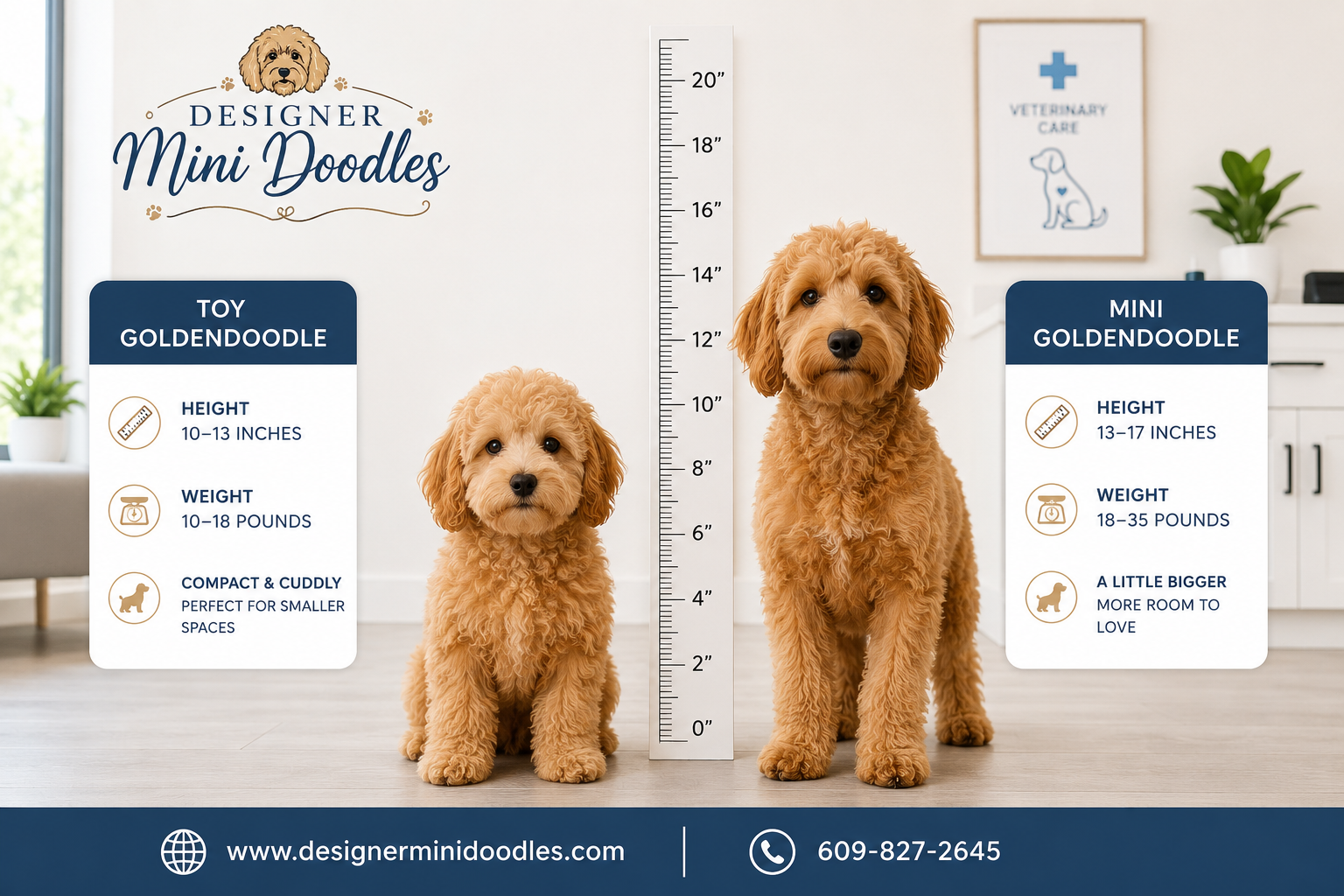
- Fully grown toy goldendoodles stand 10 to 16 inches tall and weigh between 10 and 20 pounds.
- They differ from mini goldendoodles primarily in size; minis typically weigh 25 to 45 pounds.
- Toy goldendoodles are considered low-shedding but not truly 100% hypoallergenic.
- Annual care costs in Florida average $1,500 to $3,000 including food, grooming, vet visits, and pet insurance.
- Common health issues include patellar luxation, progressive retinal atrophy, and hip dysplasia.
- Florida has a higher-than-average rate of online puppy scams; always visit the breeder in person or verify through video calls.
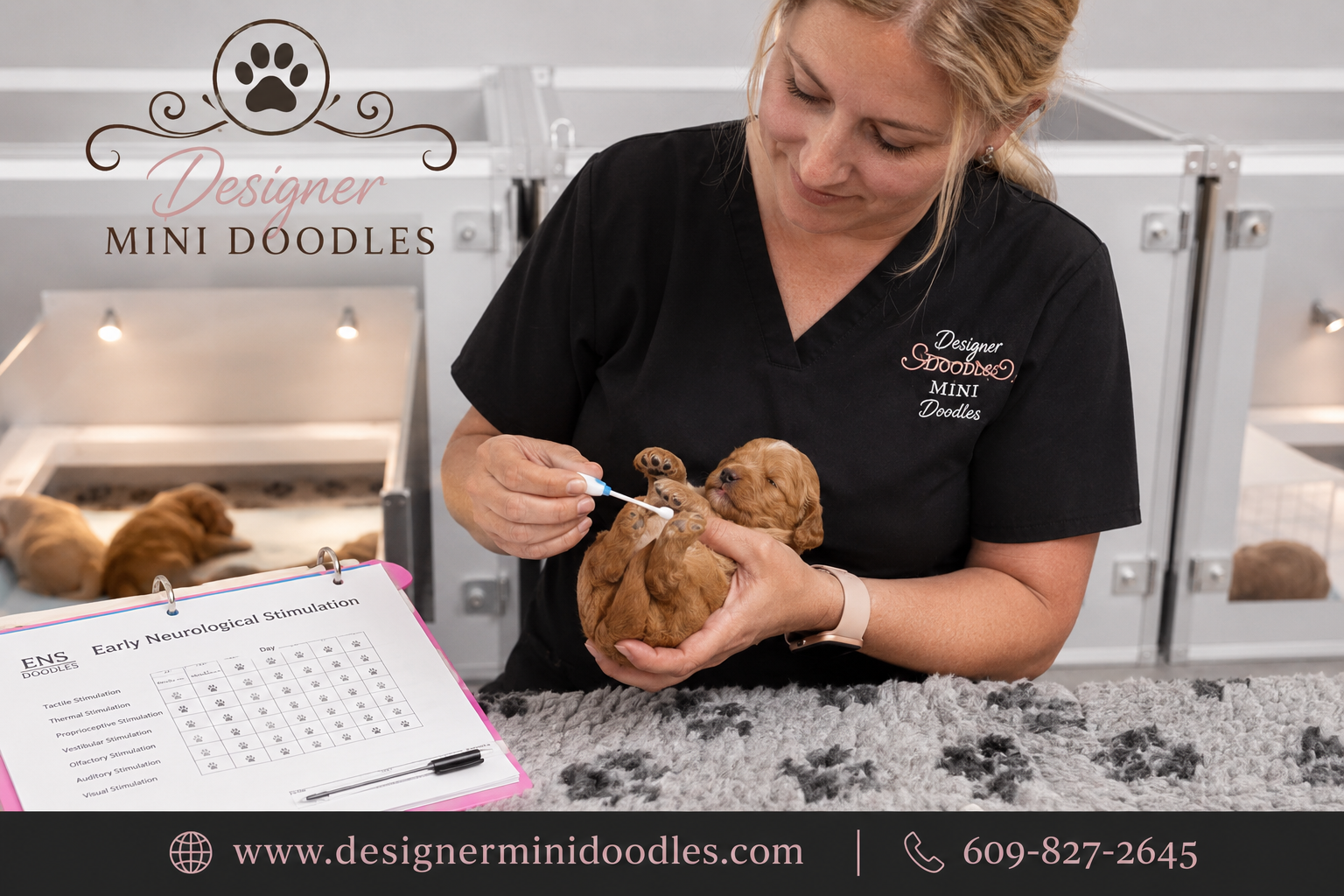
- Programs that include early neurological stimulation (ENS), early housebreaking, and crate training produce calmer, more confident puppies.
- Reputable breeders provide health guarantees, genetic testing results, and transparent parent dog information.
- Puppies can be delivered anywhere in the world through dedicated puppy nanny services.
How Much Does a Toy Goldendoodle Puppy Cost in Florida?
Toy goldendoodle puppies in Florida generally cost between $3,000 and $6,000, with the average landing around $4,000 to $5,000 from a well-established breeder. Price varies based on coat color, generation (F1B, F2B, multigen), breeder experience, and the training included before the puppy goes home.
Here’s what drives the price differences:
| Factor | Lower End ($3,000-$3,500) | Higher End ($4,500-$6,000) |
|---|---|---|
| Breeder experience | Newer breeders, fewer litters | 10+ years, established program |
| Health testing | Basic vet check | Full genetic panel on parents |
| Training included | Minimal socialization | ENS, early housebreaking, crate training |
| Coat type/color | Standard colors | Rare colors (red, phantom, parti) |
| Generation | F1 | F1B or multigen (more predictable coats) |
Common mistake: Choosing a puppy based on price alone. A $1,500 toy goldendoodle from an unverified online listing almost always signals a puppy mill, a scam, or a breeder cutting corners on health testing. The upfront savings often turn into thousands in vet bills later.
Designer Doodles, run by an animal biologist with over 15 years of breeding experience, is one example of a program that justifies higher pricing through comprehensive health testing, early training protocols, and lifetime breeder support. Their toy goldendoodle puppies come with ENS, early housebreaking, and crate training already started.
What’s the Difference Between Toy and Mini Goldendoodles?
The primary difference is size. Toy goldendoodles weigh 10 to 20 pounds and stand 10 to 16 inches tall at the shoulder. Mini goldendoodles weigh 25 to 45 pounds and stand 16 to 20 inches tall. Both are crosses between golden retrievers and poodles, but toy versions use a toy poodle parent while minis use a miniature poodle.
Beyond size, here are the practical differences:
- Living space: Toy goldendoodles adapt well to apartments and condos, which is a major advantage in Florida’s urban areas like Miami, Tampa, and Orlando. Minis need a bit more room.
- Exercise needs: Toys need 20 to 30 minutes of daily exercise. Minis typically need 30 to 60 minutes.
- Fragility: Toy goldendoodles are more delicate, especially as puppies. Rough play or accidental drops can cause injuries more easily than with minis.
- Lifespan: Toys tend to live slightly longer (12 to 16 years) compared to minis (10 to 15 years), following the general pattern of smaller dogs living longer.
Choose a toy if you live in a smaller space, want a true lap dog, or prefer a dog you can easily travel with. Choose a mini if you have young children who play rough, want a hiking companion, or prefer a sturdier build.
Some breeders also offer micro goldendoodle puppies for sale, which are even smaller than toys, typically under 10 pounds. These micro mini goldendoodle puppies require extra care due to their tiny size but are increasingly popular among Florida buyers who want the smallest possible doodle.
Are Toy Goldendoodles Good With Kids and Other Pets?
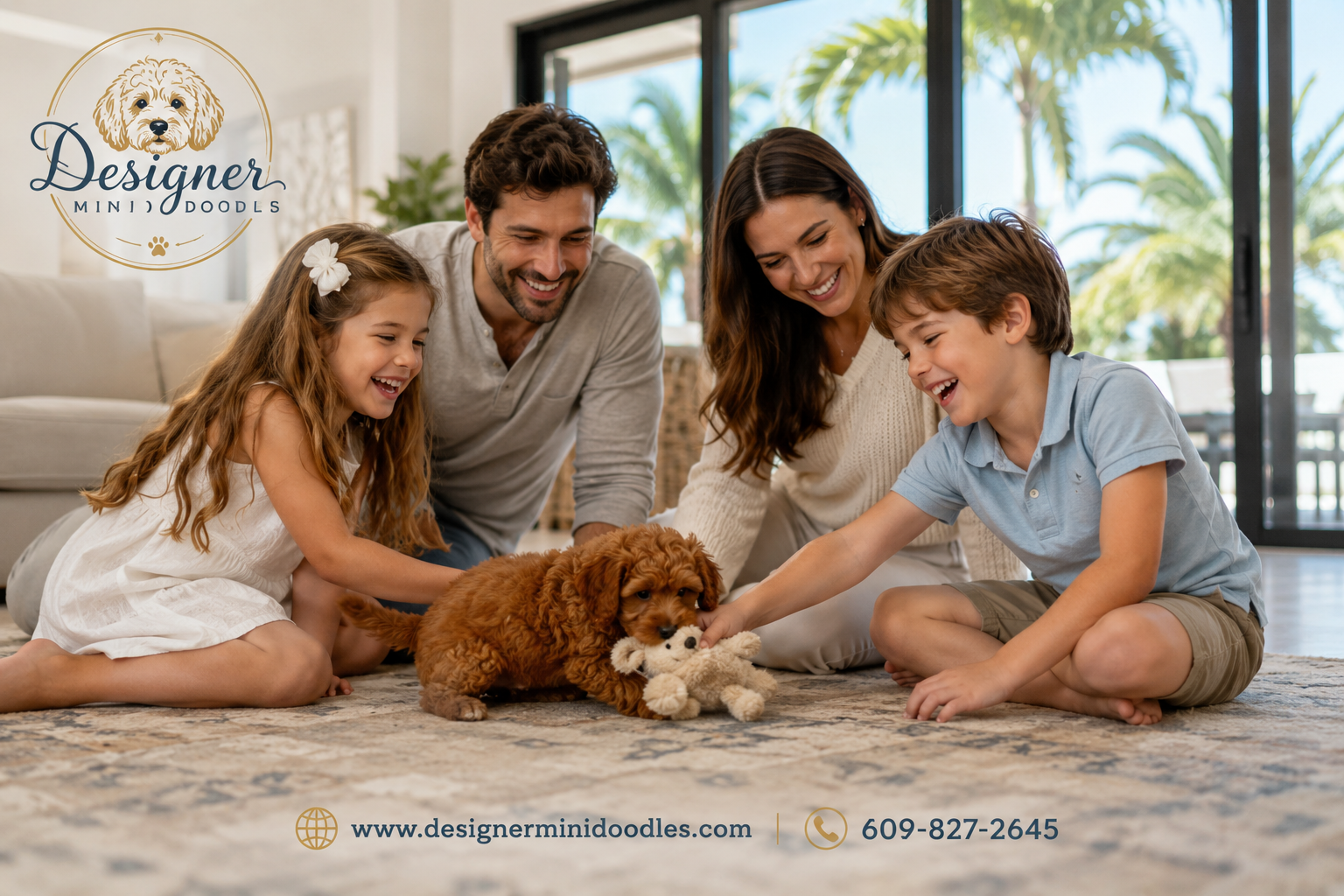
Yes, toy goldendoodles are generally excellent with children and other pets. They inherit the golden retriever’s gentle, patient nature and the poodle’s intelligence and eagerness to please. This combination makes them one of the best small companion breeds for families.
That said, there are important caveats:
- Very young children (under 5): Supervision is essential. Toy goldendoodles are small and can be injured by toddlers who don’t yet understand gentle handling. A mini goldendoodle may be a better fit for families with very young kids.
- Other dogs: Toy goldendoodles are typically social and get along well with other dogs, especially when socialized early. They rarely show aggression.
- Cats: Most toy goldendoodles coexist well with cats, particularly if introduced during puppyhood.
- Small animals: Their prey drive is generally low, but individual temperament varies.
What makes the biggest difference is early socialization and training. Puppies raised in programs that include early neurological stimulation, exposure to household sounds, and interaction with children and other animals tend to be calmer and more confident in family settings. This is one reason why the breeding program at Designer Doodles, which emphasizes ENS and early socialization, produces puppies that transition smoothly into busy family homes.
Common Health Problems in Toy Goldendoodle Puppies
Toy goldendoodles are generally healthy dogs, but they are prone to several conditions inherited from their parent breeds. Responsible breeders test for these conditions before breeding.
The most common health issues include:
- Patellar luxation: The kneecap slips out of place. Common in toy-sized dogs. Symptoms include intermittent limping or skipping.
- Progressive retinal atrophy (PRA): A genetic eye condition that can lead to blindness. Reputable breeders test parent dogs for the PRA gene.
- Hip dysplasia: Less common in toys than in standard goldendoodles, but still possible. Look for breeders who perform OFA hip evaluations.
- Von Willebrand’s disease: A blood clotting disorder inherited from the poodle side. Genetic testing can identify carriers.
- Ear infections: Florida’s humidity makes ear infections more common. Regular ear cleaning is essential.
- Dental issues: Small dogs are more prone to overcrowded teeth and dental disease. Start dental care early.
Florida-specific concern: The state’s heat and humidity create a higher risk of skin infections, ear infections, and dehydration in small dogs. Keep your toy goldendoodle cool during summer months, provide constant access to fresh water, and avoid midday walks from May through September.
Red flag to watch for: Any breeder who claims their puppies have “no health issues” or refuses to share genetic testing results from parent dogs. A credible breeder will provide documentation of health screenings willingly.
Where Can I Find Reputable Toy Goldendoodle Breeders Near Me?
The best way to find a reputable toy goldendoodle breeder in Florida is to look for programs that provide genetic health testing on parent dogs, offer health guarantees, allow you to visit or video-call to see the facility, and include early socialization in their program.
Here’s a checklist for evaluating breeders:
- Verify credentials. Look for breeders with backgrounds in animal science, veterinary medicine, or canine genetics. Designer Doodles, for example, is run by an animal biologist who has been breeding top-quality mini and toy golden doodle puppies for over 15 years.
- Ask for health testing documentation. At minimum, parent dogs should be tested for PRA, von Willebrand’s disease, and hip/elbow dysplasia.
- Review the contract. Reputable breeders offer written health guarantees (typically 2 years for genetic conditions).
- Check references. Ask for contact information from previous puppy buyers.
- Visit in person or via live video. See where the puppies are raised. They should be in a clean, home-like environment, not kennels.
- Ask about their training program. The best breeders start ENS (early neurological stimulation), housebreaking, and crate training before puppies go home.
Important note for Florida buyers: You don’t have to limit your search to local breeders. Many top breeding programs, including Designer Doodles, offer a dedicated puppy nanny service that delivers puppies safely to any home in Florida or anywhere in the world. This means you can choose the best breeder for quality rather than settling for whoever is closest.
Visit Designer Doodles on Google Maps to see their location and reviews from verified buyers.
How Big Do Toy Goldendoodles Get When Fully Grown?
A fully grown toy goldendoodle typically weighs 10 to 20 pounds and stands 10 to 16 inches tall at the shoulder. Most reach their adult size by 8 to 12 months of age, though they may continue filling out slightly until about 14 months.
Factors that affect adult size:
- Parent size: The size of the poodle parent is the strongest predictor. Toy poodle parents produce smaller offspring.
- Generation: Multigen toy goldendoodles (bred from two toy goldendoodle parents) tend to have the most predictable adult sizes.
- Gender: Males are typically 1 to 3 pounds heavier than females.
- Diet and health: Overfeeding during puppyhood can lead to a larger adult size and associated joint problems.
Quick reference:
| Classification | Weight Range | Height Range |
|---|---|---|
| Micro goldendoodle | Under 10 lbs | Under 10 inches |
| Toy goldendoodle | 10-20 lbs | 10-16 inches |
| Mini goldendoodle | 25-45 lbs | 16-20 inches |
| Standard goldendoodle | 50-90 lbs | 20-26 inches |
How Much Does It Cost to Care for a Toy Goldendoodle Per Year?
Annual care costs for a toy goldendoodle in Florida average $1,500 to $3,000, depending on where you live in the state and the level of care you provide. Here’s a realistic breakdown:
- Food: $300 to $600 per year for high-quality small-breed dog food
- Grooming: $600 to $1,200 per year (professional grooming every 6 to 8 weeks is essential for their curly coats)
- Veterinary care: $300 to $600 per year for routine checkups, vaccinations, and heartworm prevention (heartworm is a significant concern in Florida due to mosquitoes)
- Pet insurance: $300 to $600 per year (highly recommended for a breed prone to genetic conditions)
- Supplies and miscellaneous: $200 to $400 per year for toys, beds, leashes, dental chews
Florida-specific costs to plan for: Year-round flea, tick, and heartworm prevention is non-negotiable in Florida’s subtropical climate. Budget an additional $150 to $250 annually for these preventatives. Also consider pet-friendly hurricane preparedness supplies if you’re in a coastal area.
If you’re also considering other small breeds, you might explore mini french bulldog puppies for sale, which have similar annual care costs but different grooming requirements.
Are Toy Goldendoodles Hypoallergenic?
Toy goldendoodles are low-shedding, but no dog breed is truly 100% hypoallergenic. The term “hypoallergenic” means they produce fewer allergens than most breeds, primarily because their curly or wavy coats trap dander rather than releasing it into the air.
Key points for allergy sufferers:
- F1B and multigen toy goldendoodles (75% or more poodle genetics) have the curliest coats and shed the least. These are the best choice for people with allergies.
- F1 toy goldendoodles (50% poodle, 50% golden retriever) have less predictable coats. Some shed moderately.
- Regular grooming is essential. Without brushing every 2 to 3 days and professional grooming every 6 to 8 weeks, even low-shedding coats will mat and trap allergens.
- Spend time with the breed first. If you have severe allergies, visit the breeder and spend time with the parent dogs before committing.
What Should I Know Before Buying a Toy Goldendoodle Puppy?
Before buying a toy goldendoodle puppy in Florida, you should understand the breed’s grooming demands, exercise needs, potential health costs, and the importance of choosing a breeder who prioritizes temperament and health testing over appearance alone.
Here’s a pre-purchase checklist:
- Grooming commitment: This is not a low-maintenance breed. Plan for professional grooming every 6 to 8 weeks and daily brushing during humid Florida summers.
- Separation anxiety: Toy goldendoodles bond deeply with their owners. If you work long hours away from home, consider doggy daycare or a pet sitter.
- Training is essential: Despite their small size, untrained toy goldendoodles can develop behavioral issues like excessive barking and resource guarding.
- Puppy-proof your home: Their small size means they can squeeze into tight spaces and swallow small objects more easily.
- Verify the breeder’s claims: Ask for proof of genetic testing, not just a vet’s general health check.
Edge case: If you’re a snowbird (spending winters in Florida and summers elsewhere), toy goldendoodles travel well due to their small size. Many fit under airline seats in approved carriers, making them ideal for the Florida snowbird lifestyle.
Best Training Tips for Toy Goldendoodle Puppies
Toy goldendoodles are highly intelligent and eager to please, making them one of the easiest small breeds to train. Start training the day you bring your puppy home, and use positive reinforcement exclusively.
Top training priorities in order:
- Crate training: Start immediately. A crate-trained puppy is easier to housebreak and less anxious when left alone. The best breeders, like Designer Doodles, begin crate training before puppies leave for their new homes.
- Housebreaking: Take your puppy outside every 1 to 2 hours, after meals, and after naps. Toy breeds have small bladders, so expect more frequent potty breaks than larger dogs.
- Basic commands: Sit, stay, come, and leave it. Keep sessions to 5 to 10 minutes; toy goldendoodle puppies have short attention spans.
- Socialization: Expose your puppy to different people, sounds, surfaces, and environments during the critical 8 to 16 week window. Florida offers great socialization opportunities at dog-friendly beaches, outdoor cafes, and parks.
- Bite inhibition: Teach gentle mouthing early. Toy goldendoodle puppies are mouthy during teething.
Common training mistake: Carrying your toy goldendoodle everywhere instead of letting them walk and explore. This creates an insecure dog that can’t navigate the world on its own four feet.
Toy Goldendoodle vs Standard Poodle Puppy
Toy goldendoodles and standard poodles are both intelligent, low-shedding dogs, but they differ significantly in size, temperament, and care requirements.
| Feature | Toy Goldendoodle | Standard Poodle |
|---|---|---|
| Weight | 10-20 lbs | 45-70 lbs |
| Height | 10-16 inches | 18-24 inches |
| Temperament | Affectionate, easygoing, social | Intelligent, athletic, can be reserved |
| Exercise needs | 20-30 min/day | 60+ min/day |
| Grooming | Every 6-8 weeks | Every 4-6 weeks |
| Training ease | Very easy | Easy but needs more mental stimulation |
| Good for apartments | Excellent | Possible but not ideal |
| Lifespan | 12-16 years | 12-15 years |
Choose a toy goldendoodle if you want a smaller, more laid-back companion that’s great for apartment living and requires less exercise. Choose a standard poodle if you want a larger, more athletic dog and have the space and time for extensive daily exercise.
How to Avoid Scams When Buying a Toy Goldendoodle in Florida
Florida is one of the top states for online puppy scams due to high demand and a large number of out-of-state buyers searching for toy goldendoodle puppies in Florida. The ASPCA and Better Business Bureau have both flagged Florida as a hotspot for fraudulent pet sales.
Red flags that indicate a scam:
- The price is significantly below market rate (under $1,500 for a toy goldendoodle)
- The seller refuses video calls or in-person visits
- They pressure you to send money quickly via wire transfer, Zelle, or cryptocurrency
- The website has stock photos or photos stolen from other breeders
- No health guarantee or contract is offered
- The “breeder” has puppies available immediately in every color and size
- They claim to ship puppies without any nanny or escort service
How to protect yourself:
- Reverse image search any puppy photos on Google to check if they appear on other websites.
- Call the breeder and ask detailed questions about their breeding program, health testing, and puppy-raising protocols.
- Check reviews on Google, Facebook, and breed-specific forums.
- Visit in person whenever possible. If distance is an issue, request a live video tour of the facility.
- Use a breeder with an established reputation. Programs like toy goldendoodle breeders at Designer Doodles have verifiable track records spanning over 15 years.
- Never pay the full amount upfront without a signed contract and health guarantee.
Frequently Asked Questions
How long do toy goldendoodles live?
Toy goldendoodles typically live 12 to 16 years with proper care, regular veterinary checkups, and a healthy diet. Their smaller size contributes to a longer lifespan compared to standard goldendoodles.
Do toy goldendoodles bark a lot?
They can be vocal if not properly trained, but they are not considered excessive barkers. Early training and adequate mental stimulation significantly reduce unnecessary barking.
Can toy goldendoodles handle Florida’s heat?
Yes, but they need precautions. Avoid outdoor exercise during peak heat (11 a.m. to 4 p.m. in summer), provide shade and fresh water, and keep their coat trimmed shorter during hot months. Never leave them in a parked car.
Are toy goldendoodles easy to potty train?
They are intelligent and respond well to consistent training, but their small bladders mean more frequent bathroom breaks. Most toy goldendoodles are reliably housebroken by 4 to 6 months with consistent effort. Puppies from programs that include early housebreaking have a head start.
What generation of toy goldendoodle is best?
F1B (75% poodle, 25% golden retriever) and multigen toy goldendoodles are generally preferred because they have the most predictable coat type, lowest shedding, and most consistent size.
Do toy goldendoodles need a lot of exercise?
No, they need moderate exercise: about 20 to 30 minutes of walking or play per day. They’re active enough to enjoy walks and fetch but calm enough to be content as lap dogs.
Can I get a toy goldendoodle puppy delivered to my home in Florida?
Yes. Many reputable breeders, including Designer Doodles, offer a dedicated puppy nanny service that delivers puppies safely to homes anywhere in Florida and around the world.
What’s the difference between a toy goldendoodle and a micro goldendoodle?
Micro goldendoodles are smaller than toys, typically weighing under 10 pounds. They require extra care due to their tiny size and may be more prone to hypoglycemia and dental issues.
Do toy goldendoodles get along with large dogs?
Generally yes, but supervise interactions carefully. Their small size makes them vulnerable to accidental injury during rough play with larger dogs.
How often should I groom my toy goldendoodle in Florida?
Professional grooming every 6 to 8 weeks, with at-home brushing every 2 to 3 days. Florida’s humidity can cause mats to form faster, so more frequent brushing during summer is recommended.
Conclusion
Finding healthy, well-bred toy goldendoodle puppies in Florida requires patience, research, and a willingness to invest in quality. The breed’s combination of small size, low-shedding coat, and affectionate temperament makes it an excellent fit for Florida’s lifestyle, whether you live in a Miami condo or a Jacksonville suburb.
Your next steps should be straightforward. First, determine whether a toy, micro, or mini goldendoodle is the right size for your household. Second, set a realistic budget that accounts for both the purchase price ($3,000 to $6,000) and annual care costs ($1,500 to $3,000). Third, thoroughly vet any breeder using the checklist in this guide, prioritizing health testing, early training programs, and transparent communication.
If you’re ready to start your search, programs like Designer Doodles offer some of the best toy doodle breeding programs in America, with over 15 years of experience producing calm, affectionate, and confident puppies through their comprehensive ENS, early housebreaking, and crate training protocols. Their puppies are available to families anywhere in Florida and beyond through their puppy nanny delivery service.
Take your time, ask the right questions, and you’ll find a toy goldendoodle puppy that fits perfectly into your Florida home.