
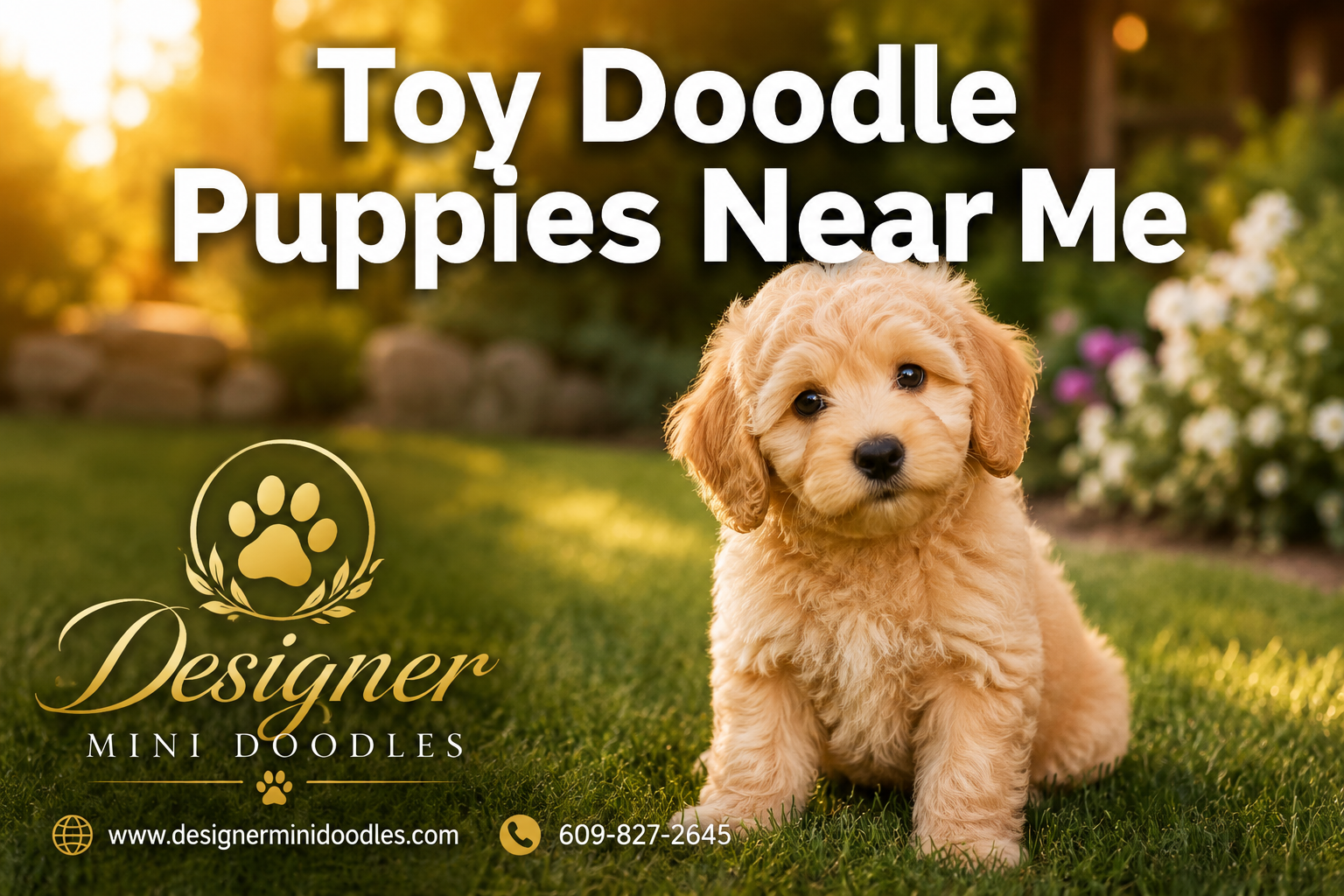
toy doodle puppies near me
Quick Answer: Toy doodle puppies are miniaturized crosses between toy poodles and other popular breeds, typically weighing 5 to 15 pounds at maturity. Finding toy doodle puppies near you starts with identifying reputable breeders who health-test their parent dogs, practice early socialization, and can document their breeding program’s history. Expect to pay between $2,000 and $5,000 depending on the breed mix, breeder reputation, and included services like early training and health guarantees.
toy doodle puppies near me
- Toy doodles are hybrid dogs created by crossing a toy poodle with another breed, producing puppies that typically stay under 15 pounds.
- Prices for toy doodle puppies range from $2,000 to $5,000 or more from reputable breeders; avoid suspiciously low prices, which often signal puppy mills.
- Most toy doodles are low-shedding but not truly hypoallergenic; individual reactions vary based on coat type and allergen sensitivity.
- The best toy doodle breeders conduct genetic health testing, perform Early Neurological Stimulation (ENS), and begin socialization and housebreaking before puppies go home.
- Toy goldendoodles, toy labradoodles, and toy cockapoos are among the most popular toy doodle breeds in 2026.
- Apartment dwellers often do well with toy goldendoodles or toy cavapoos due to their calm temperament and compact size.
- First-year costs for a toy doodle puppy (beyond purchase price) typically run $1,500 to $3,000 including vet care, supplies, and grooming.
- Programs run by animal biologists or veterinary professionals with 10+ years of breeding experience tend to produce healthier, better-tempered puppies.
- Dedicated puppy nanny delivery services now make it possible to bring a toy doodle home from top breeders regardless of your location.
What Breeds Are Considered Toy Doodles?
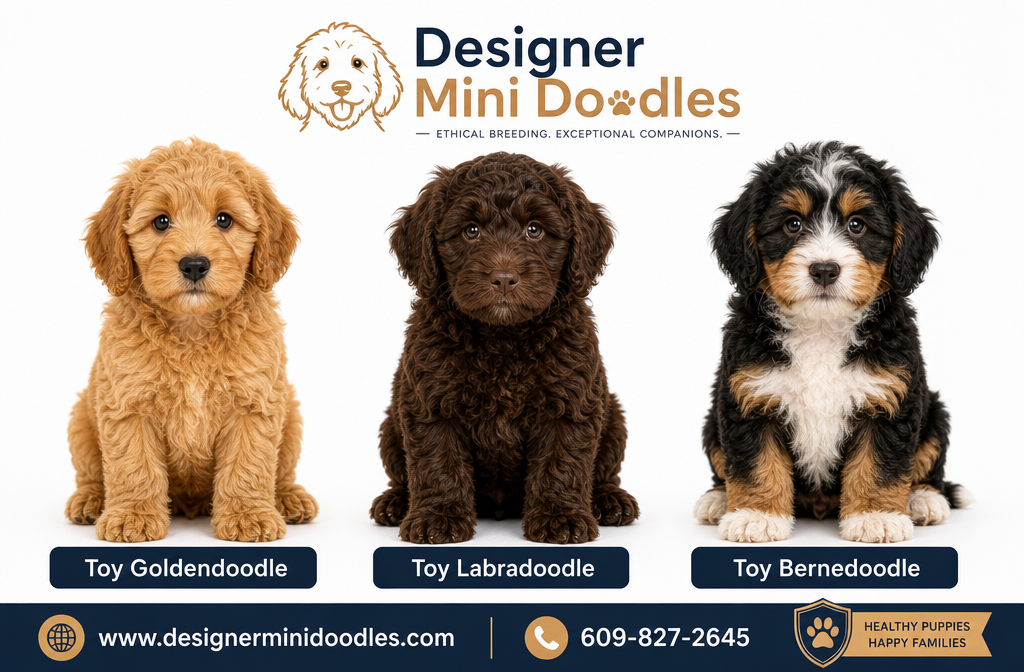
Toy doodles are designer hybrid dogs that result from crossing a toy poodle (typically under 10 pounds) with another purebred dog. The “toy” designation refers specifically to the size, not a separate breed registry.
The most popular toy doodle breeds in 2026 include:
| Breed Name | Cross | Typical Adult Weight | Temperament |
|---|---|---|---|
| Toy Goldendoodle | Toy Poodle x Golden Retriever | 8-15 lbs | Affectionate, gentle, eager to please |
| Micro Goldendoodle | Smallest Toy Poodle x Mini Goldendoodle | 5-10 lbs | Playful, loyal, adaptable |
| Toy Labradoodle | Toy Poodle x Labrador Retriever | 10-15 lbs | Friendly, energetic, intelligent |
| Toy Cockapoo | Toy Poodle x Cocker Spaniel | 6-12 lbs | Happy, social, moderate energy |
| Toy Cavapoo | Toy Poodle x Cavalier King Charles | 7-13 lbs | Calm, loving, great lap dog |
| Toy Bernedoodle | Toy Poodle x Bernese Mountain Dog | 10-15 lbs | Loyal, goofy, slightly stubborn |
| Toy Maltipoo | Toy Poodle x Maltese | 5-10 lbs | Gentle, playful, low-shedding |
Choose a toy goldendoodle if you want the classic golden retriever personality in a compact package. Programs like Designer Doodles, which is run by an animal biologist with over 15 years of breeding experience, have refined their toy goldendoodle puppies program to produce consistently calm, affectionate, and confident companions. They also offer micro goldendoodle puppies for sale for those wanting the smallest possible size.
Difference Between a Toy Poodle and a Toy Doodle
A toy poodle is a purebred dog recognized by the AKC, standing under 10 inches at the shoulder and weighing 4 to 6 pounds. A toy doodle is a hybrid that uses the toy poodle as one parent, combined with another breed.
Key differences:
- Genetics: Toy poodles have predictable traits. Toy doodles inherit characteristics from both parent breeds, so coat type, size, and temperament can vary within the same litter.
- Size range: Toy doodles are generally larger than purebred toy poodles (8-15 lbs vs. 4-6 lbs) because the other parent breed adds size.
- Temperament: Toy poodles can be reserved with strangers. Toy doodles, especially toy goldendoodles, often inherit the outgoing friendliness of the non-poodle parent.
- Coat: Both are typically low-shedding, but toy doodles may have wavy or straight coats rather than the tight curls of a purebred poodle.
Common mistake: Assuming all toy doodles will look and act like toy poodles. The non-poodle parent contributes significantly to the puppy’s final size, coat, and personality.
How Much Do Toy Doodle Puppies Cost?
Toy doodle puppies from reputable breeders typically cost between $2,000 and $5,000 in 2026. Micro goldendoodle puppies and toy goldendoodle puppies from top-tier breeding programs with extensive health testing, early training, and genetic screening often fall at the higher end of this range.
Factors that affect price:
- Breeder reputation and experience: Programs led by animal biologists or veterinary professionals with documented track records command premium prices for good reason.
- Health testing: OFA certifications, genetic panels, and cardiac evaluations add cost but reduce your risk of expensive health problems later.
- Early training included: Breeders who provide ENS (Early Neurological Stimulation), early housebreaking, and crate training save you weeks of work and produce more confident puppies.
- Generation: F1b toy doodles (backcrossed to a poodle) often cost more because their coats are more predictably low-shedding.
- Color: Rare colors like red, phantom, or merle may increase the price.
- Delivery: Puppy nanny services for nationwide or international delivery typically add $300 to $600.
Red flag: Any toy doodle priced under $1,000 from a breeder should raise concerns. That price point rarely covers the cost of proper health testing, quality nutrition, and veterinary care for the mother and puppies.
Where Can I Adopt a Toy Doodle Puppy Responsibly?
The most reliable way to find toy doodle puppies near you is through established breeders who specialize in the specific cross you want, have verifiable health testing records, and welcome questions about their program.
Steps to find a responsible source:
- Research specialized breeders. Look for programs with 10+ years of experience. For example, toy goldendoodle breeders like Designer Doodles have been producing high-quality mini and toy goldendoodle puppies for over a decade and a half, with a program led by an animal biologist.
- Check breed-specific rescue organizations. Doodle Rescue Collective and IDOG Rescue occasionally have toy-sized doodles available, though they’re less common than standard sizes.
- Verify health clearances. Ask for OFA numbers you can look up independently on the OFA website.
- Visit or video-call. Reputable breeders welcome virtual or in-person visits to see their facilities and meet parent dogs.
- Review contracts. Good breeders provide health guarantees (typically 2 years for genetic conditions), spay/neuter requirements, and return policies.
Don’t limit your search geographically. The best toy doodle breeding programs offer dedicated puppy nanny services that can deliver your puppy safely to any home in the country or even internationally. It’s better to get a well-bred puppy shipped from a top breeder than to settle for a local source with questionable practices.
How to Tell If a Toy Doodle Breeder Is Reputable
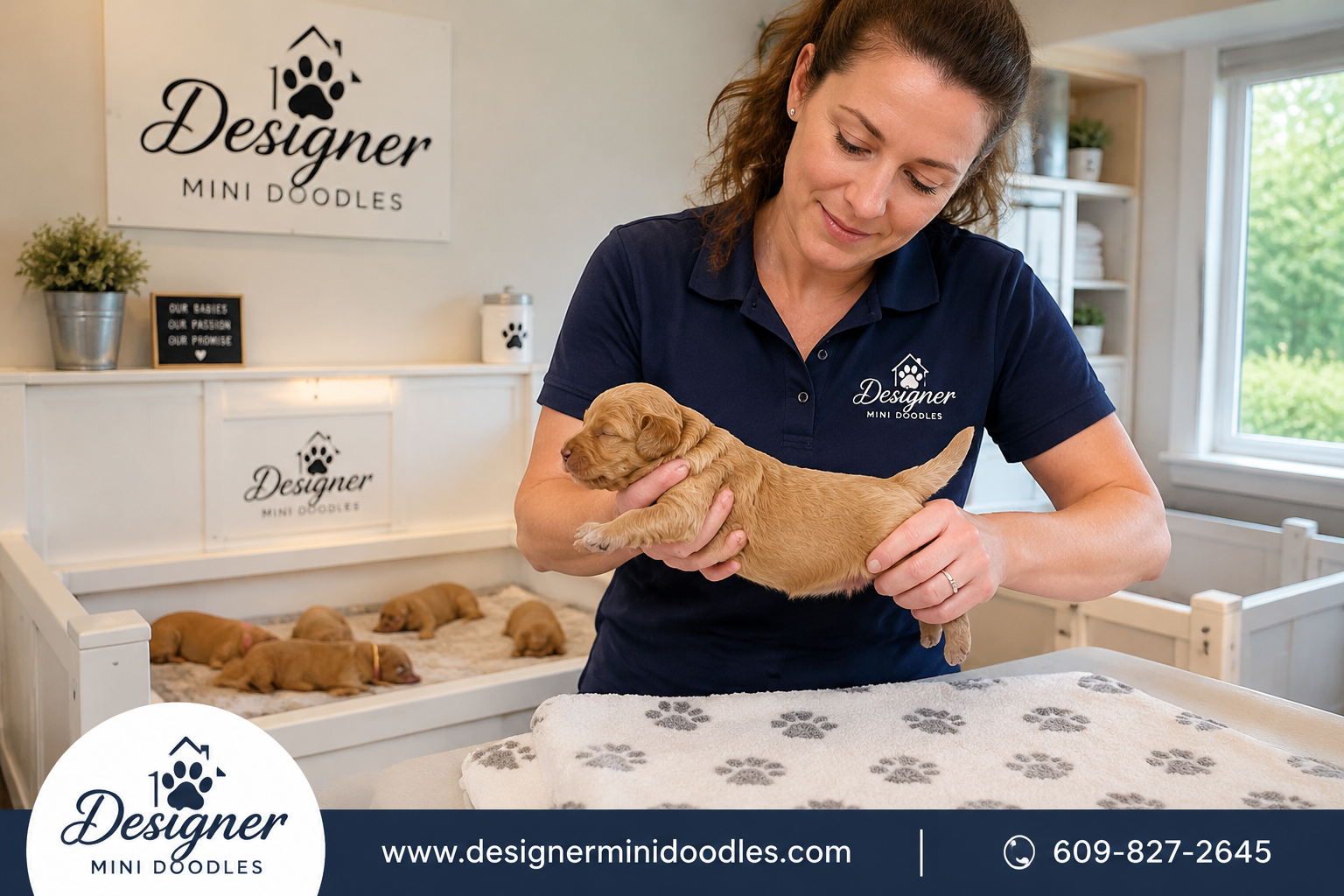
A reputable toy doodle breeder will be transparent about their health testing, breeding practices, and puppy-raising protocols. They should answer every question without becoming defensive.
Green flags to look for:
- Documented health testing on both parent dogs (hip/elbow evaluations, eye exams, cardiac clearances, breed-specific genetic panels)
- Professional credentials such as a background in animal biology, veterinary science, or certified breeding programs
- Early socialization protocols including ENS, exposure to household sounds, and interaction with children and other animals
- Early housebreaking and crate training started before puppies leave for their new homes
- Willingness to provide references from previous puppy buyers and their veterinarian
- A written health guarantee of at least 2 years for genetic conditions
- Lifetime return policy if you can no longer keep the dog
Red flags:
- Multiple breeds available at all times (suggests a commercial operation)
- No health testing documentation
- Puppies available immediately with no waitlist
- Refusal to show where puppies are raised
- No contract or health guarantee
- Pressure to buy quickly
Are Toy Doodles Good for Families With Kids?
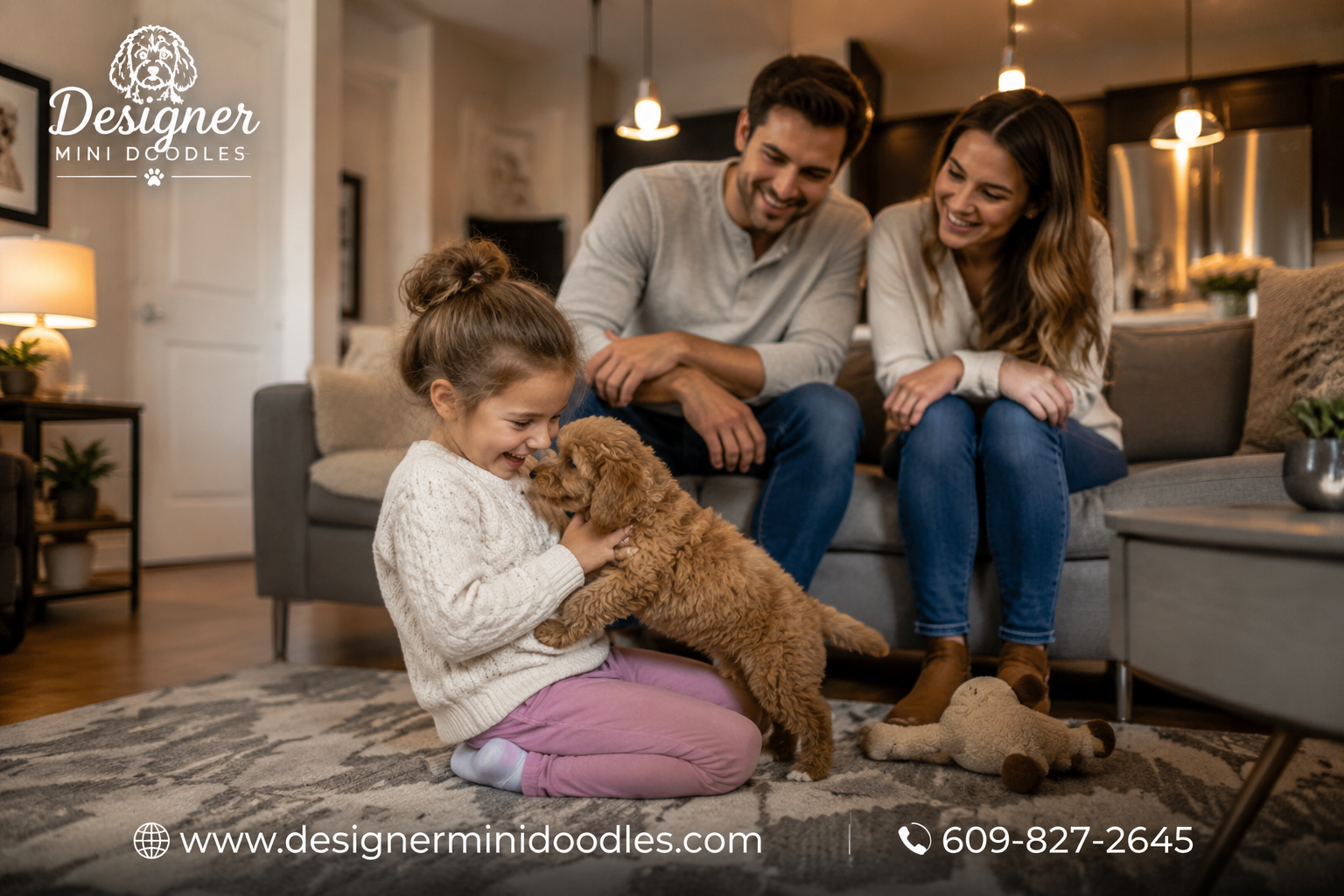
Yes, most toy doodle breeds make excellent family dogs. Toy goldendoodles in particular are known for their gentle, patient temperament with children, largely because they inherit the golden retriever’s famously friendly disposition.
Important considerations for families:
- Size matters. Because toy doodles are small (often under 15 pounds), very young children need to be taught gentle handling. A toddler could accidentally injure a 7-pound micro goldendoodle.
- Temperament varies by breeding. Puppies from programs that emphasize temperament testing and early socialization with children tend to be more confident and less reactive. The best toy doodle breeding programs specifically select for calm, affectionate personalities.
- Energy levels. Toy goldendoodles and toy cavapoos tend to be calmer than toy labradoodles, which may suit families who want a cuddly companion rather than a high-energy playmate.
Choose a toy goldendoodle if your family wants an affectionate, trainable dog that bonds deeply with every family member. Choose a toy cavapoo if you need an especially gentle, lower-energy companion for a quieter household.
Which Toy Doodle Breed Is Best for Apartments?
Toy goldendoodles and toy cavapoos are the top choices for apartment living because they combine small size with moderate energy levels and relatively quiet temperaments.
What makes a toy doodle apartment-friendly:
- Size: All toy doodles are compact enough for apartments, but micro goldendoodle puppies (5-10 lbs) take up the least space.
- Exercise needs: Most toy doodles need 30 to 45 minutes of daily exercise, which is manageable with walks and indoor play.
- Barking tendency: Toy cockapoos and toy maltipoos tend to bark more than toy goldendoodles, which can be an issue in apartments with shared walls.
- Separation anxiety: Toy doodles bred with early crate training and confidence-building protocols handle alone time much better than those without this foundation.
“The calmest apartment dogs come from breeders who start socialization, crate training, and independence exercises before the puppy ever leaves the breeder’s home.”
Are Toy Doodles Hypoallergenic?
No dog is truly hypoallergenic, but most toy doodles produce significantly fewer allergens than heavy-shedding breeds. Their poodle genetics give them low-shedding coats that trap dander rather than releasing it into the air.
What affects allergen levels:
- Coat type: Curly coats (more poodle-like) shed the least. Wavy coats shed minimally. Straight or flat coats shed more.
- Generation: F1b toy doodles (75% poodle) are the most reliably low-shedding. F1 toy doodles (50% poodle) have more coat variation.
- Grooming frequency: Regular brushing and professional grooming every 6-8 weeks reduces loose dander significantly.
Edge case: Some people are allergic to dog saliva proteins, not just dander. In that case, no doodle generation will solve the problem. If allergies are a primary concern, spend time with the specific puppy before committing.
Health Problems Common in Toy Doodle Breeds
Toy doodles can inherit health conditions from either parent breed, but responsible breeding programs that health-test parent dogs significantly reduce these risks.
Common conditions to be aware of:
- Patellar luxation (kneecap displacement) — common in small breeds
- Progressive retinal atrophy (PRA) — an inherited eye condition testable via DNA panel
- Hip dysplasia — less common in toy sizes but still possible, especially in toy goldendoodles
- Von Willebrand’s disease — a blood clotting disorder testable through genetic screening
- Dental crowding — small jaws can lead to dental issues; regular dental care is essential
- Hypoglycemia — particularly in micro-sized puppies during the first few months
How to minimize risk: Buy from breeders who test for these conditions. Programs run by animal biologists, like the team behind Designer Doodles, specifically screen for genetic conditions across both parent lines and select breeding pairs to minimize health risks.
Also worth noting: if you’re interested in other small companion breeds, mini french bulldog puppies for sale share some similar health considerations related to their compact size.
Typical Size and Weight of Toy Doodle Breeds
Adult toy doodles typically weigh between 5 and 15 pounds and stand 8 to 14 inches tall at the shoulder. Micro goldendoodles are the smallest, while toy labradoodles and toy bernedoodles tend to be at the larger end.
Size expectations by age:
| Age | Toy Goldendoodle | Micro Goldendoodle |
|---|---|---|
| 8 weeks | 2-4 lbs | 1.5-3 lbs |
| 4 months | 5-8 lbs | 3-5 lbs |
| 6 months | 7-11 lbs | 4-7 lbs |
| 12 months (adult) | 10-15 lbs | 5-10 lbs |
Common mistake: Expecting your toy doodle puppy’s adult size based on how it looks at 8 weeks. Puppies from the same litter can vary by several pounds at maturity. A reputable breeder can give you a more accurate size estimate based on parent weights and past litter data.
Toy Doodle Puppy Care and Training Tips
Toy doodle puppies are highly trainable due to their poodle intelligence, but their small size requires some adjustments to standard training approaches.
Training essentials:
- Start crate training immediately. If your breeder has already begun crate training (as the best programs do), continue the routine at home. Use a crate sized for a toy breed — too large and housebreaking becomes harder.
- Use positive reinforcement only. Toy doodles are sensitive. Harsh corrections can create fear-based behaviors that are difficult to reverse.
- Socialize broadly between 8 and 16 weeks. Expose your puppy to different people, sounds, surfaces, and environments. Puppies from programs that practice ENS already have a head start here.
- Keep training sessions short. Five to ten minutes, three times daily, works better than one long session for toy breeds.
- Address resource guarding early. Small dogs sometimes develop guarding behaviors that owners inadvertently reinforce by finding them “cute.”
Grooming schedule:
- Brush every 2-3 days to prevent matting
- Professional grooming every 6-8 weeks
- Daily tooth brushing (small breeds are prone to dental disease)
- Nail trimming every 2-3 weeks
- Ear cleaning weekly (floppy ears trap moisture)
Toy Doodle Puppy Vaccination Schedule
Toy doodle puppies need a standard vaccination series starting at 6-8 weeks of age. Your breeder should have started this process before the puppy comes home.
Recommended schedule:
| Age | Vaccines | Notes |
|---|---|---|
| 6-8 weeks | DHPP (1st dose), Bordetella | Breeder should administer |
| 10-12 weeks | DHPP (2nd dose), Leptospirosis | First vet visit in new home |
| 14-16 weeks | DHPP (3rd dose), Rabies | Required by law in most states |
| 12-16 weeks | Canine Influenza (optional) | Recommended if using daycare or boarding |
| 1 year | DHPP booster, Rabies booster | Then every 1-3 years depending on vaccine type |
Important: Keep your toy doodle puppy away from dog parks, pet stores, and areas with unknown dogs until they’ve completed their full vaccination series (around 16 weeks). Parvo is especially dangerous for small puppies and can be fatal.
What Should I Expect in the First Year With a Toy Doodle Puppy?
The first year with a toy doodle puppy involves significant time, financial investment, and lifestyle adjustment, but it’s also when you’ll build the foundation of a 12-to-16-year bond.
First-year cost breakdown (beyond purchase price):
- Veterinary care (exams, vaccines, spay/neuter): $500-$1,000
- Food and treats: $300-$500
- Grooming (6-8 professional sessions): $300-$600
- Supplies (crate, bed, leash, bowls, toys): $200-$400
- Training classes or resources: $100-$300
- Pet insurance (optional but recommended): $300-$600/year
Total estimated first-year cost: $1,500-$3,000 on top of the purchase price.
Month-by-month expectations:
- Months 1-2 at home (8-16 weeks): Focus on housebreaking, crate training, and socialization. Expect accidents. Sleep may be disrupted.
- Months 3-4 (16-24 weeks): Teething begins. Provide appropriate chew toys. Continue training consistency.
- Months 5-8: Adolescent phase. Your puppy may “forget” training temporarily. Stay patient and consistent.
- Months 9-12: Your toy doodle approaches physical maturity. Behavior stabilizes. Grooming routine is well established.
Puppies from breeding programs that include early housebreaking and crate training — like the toy golden doodle puppies from Designer Doodles — typically adjust faster because they arrive with foundational skills already in place. Their puppies are available to go to any home in the world through a dedicated puppy nanny service, so geography doesn’t have to limit your options.
Frequently Asked Questions
How long do toy doodle puppies live?
Most toy doodles have a lifespan of 12 to 16 years. Smaller dogs generally live longer than larger breeds, and good genetics from health-tested parents can extend that range.
Do toy doodles bark a lot?
It depends on the breed mix. Toy goldendoodles are generally moderate barkers. Toy cockapoos and toy maltipoos tend to be more vocal. Early training and socialization reduce excessive barking in all toy doodle breeds.
Can toy doodle puppies be left alone during the workday?
Adult toy doodles can handle 4-6 hours alone if properly crate trained. Puppies under 6 months should not be left alone for more than 2-3 hours. Arrange for a dog walker or midday check-in during the puppy phase.
What’s the difference between a mini doodle and a toy doodle?
Mini doodles typically weigh 15-30 pounds, while toy doodles weigh under 15 pounds. Micro doodles are the smallest category, usually under 10 pounds. The size difference comes from the size of the poodle parent used in breeding.
Do toy doodles need a lot of exercise?
Toy doodles need 30 to 45 minutes of daily exercise, which can include walks, indoor play, and mental stimulation through puzzle toys or training sessions. They don’t require a yard but do need consistent daily activity.
Are toy doodles easy to potty train?
Yes, toy doodles are intelligent and generally learn quickly, but their small bladders mean more frequent trips outside — especially as puppies. Breeders who start early housebreaking give you a significant advantage.
What’s the best food for a toy doodle puppy?
Feed a high-quality small-breed puppy formula with named meat as the first ingredient. Toy puppies, especially micro sizes, may need 3-4 small meals per day to prevent hypoglycemia. Consult your vet for specific brand recommendations.
How often do toy doodles need grooming?
Professional grooming every 6-8 weeks, with brushing at home every 2-3 days. Curly-coated toy doodles mat quickly if not brushed regularly.
Can I fly with a toy doodle puppy?
Yes. Most toy doodles are small enough to fly in-cabin in an airline-approved carrier. Check your airline’s specific weight and carrier size requirements before booking.
Do toy doodles get along with other pets?
Generally yes, especially if socialized early. Toy goldendoodles are particularly known for getting along well with other dogs and even cats. Introduce new pets gradually and supervise initial interactions.
Conclusion
Finding the right toy doodle puppy near you comes down to prioritizing breeder quality over convenience. The best toy doodle puppies come from experienced, transparent breeding programs that health-test parent dogs, practice early socialization and training, and stand behind their puppies with health guarantees.
Your next steps:
- Decide which toy doodle breed fits your lifestyle, living situation, and family composition.
- Research breeders with documented health testing, professional credentials, and at least a decade of experience.
- Budget $2,000 to $5,000 for the puppy and an additional $1,500 to $3,000 for first-year expenses.
- Don’t limit your search to local breeders only — puppy nanny delivery services make it possible to get a puppy from the best breeding program regardless of your location.
- Prepare your home with a crate, supplies, and a veterinary appointment scheduled for the first week.
The investment in a well-bred toy doodle puppy pays dividends across 12 to 16 years of companionship. Take the time to find the right breeder, and you’ll be rewarded with a healthy, confident, and deeply bonded companion.
References
- Orthopedic Foundation for Animals (OFA). “CHIC Program and Health Testing Requirements.” OFA, 2024. https://ofa.org
- American Kennel Club. “Poodle (Toy) Breed Information.” AKC, 2025. https://www.akc.org/dog-breeds/poodle-toy/
- American Veterinary Medical Association. “Recommended Vaccination Schedule for Dogs.” AVMA, 2024. https://www.avma.org