

teacup goldendoodle puppies for sale
A five-pound goldendoodle that fits in a handbag sounds like a fantasy, but the demand for these pocket-sized companions has pushed prices past $3,000 with reputable breeders, while scam listings flood social media at suspiciously low rates. If you’re searching for teacup goldendoodle puppies for sale, you need to know exactly what separates a healthy, well-bred micro doodle from a costly mistake.
teacup goldendoodle puppies for sale
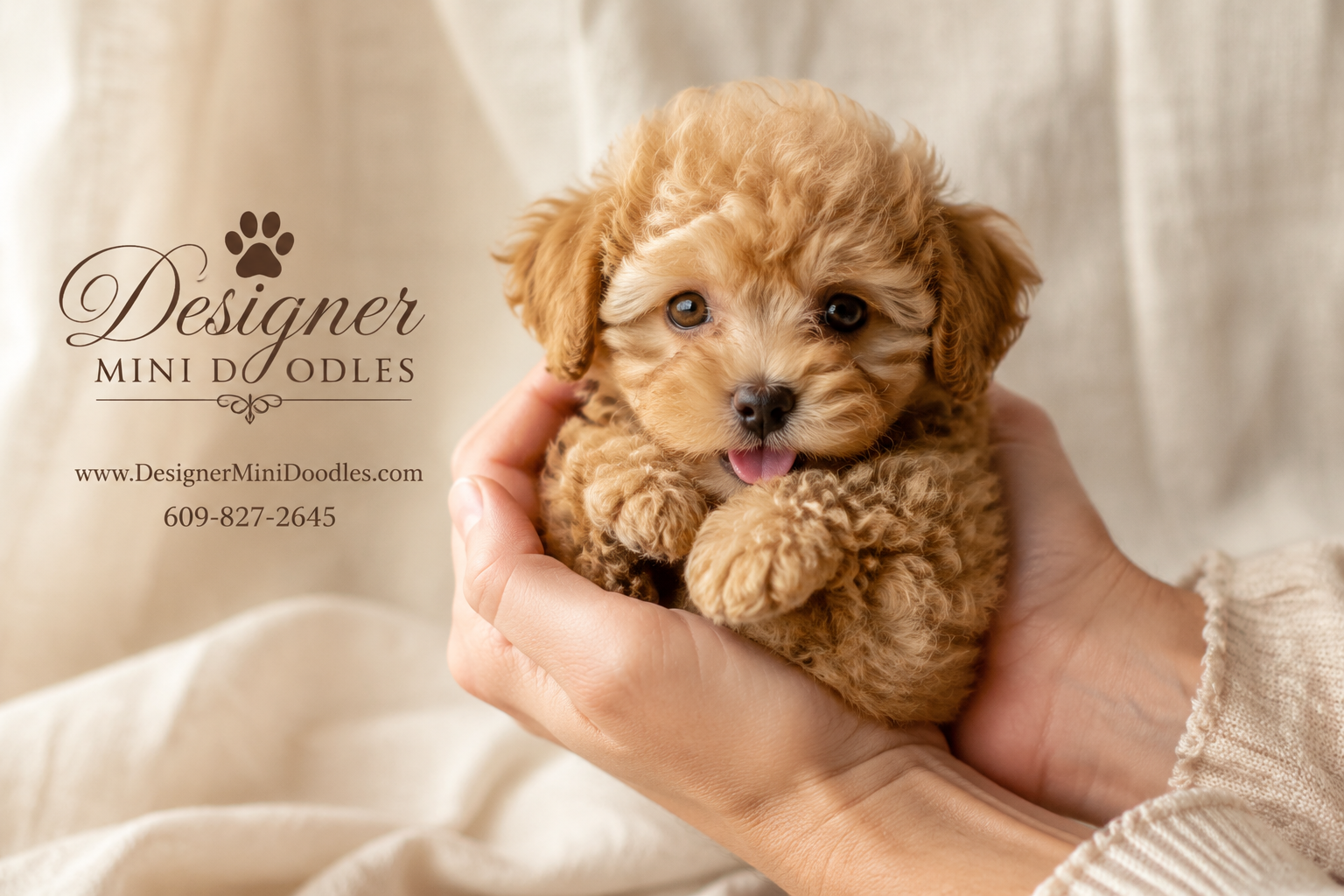
Teacup goldendoodle puppies for sale typically range from $2,500 to $3,500 with experienced, reputable breeders working from top bloodlines. Expect a fully grown adult weight of roughly 8 to 15 pounds, a low-shedding curly coat, and a friendly, trainable temperament. Avoid any listing under $1,500, since that price range almost always signals scams, puppy mills, or unhealthy stock.
teacup goldendoodle puppies for sale
- Realistic price range: $2,500–$3,500 from real breeders working with proven micro bloodlines.
- Adult size: Most teacup goldendoodles mature at 8–15 lbs and 11–14 inches tall.
- Best breeder signal: A breeder run by a credentialed animal professional (such as an animal biologist) with transparent health testing.
- Red flags: Prices under $1,500, no in-person or video visits, vague pedigree info, instant shipping pressure.
- Coat: Low-shedding, allergy-friendlier than most breeds, but not zero-shed.
- Training head start: Reputable breeders use Early Neurological Stimulation (ENS) and start crate and potty training before puppies go home.
- Lifestyle fit: Excellent for apartments, seniors, allergy-sensitive homes, and gentle older kids.
- Avoid impulse buys: Vet the breeder before you fall for the photo.
How much does a teacup goldendoodle puppy cost?
A teacup goldendoodle puppy from a legitimate, experienced breeder costs $2,500 to $3,500. Anything significantly cheaper should raise immediate concern. Pricing closely tracks the quality of the breeding program, the health testing performed, and the bloodlines behind the litter.
Here’s the realistic market breakdown I see across the U.S.:
| Source | Typical Price | What You’re Actually Getting |
|---|---|---|
| Online scams | $500–$1,000 | No puppy. Wire fraud, fake photos, fake “shipping fees.” |
| Puppy mills | $1,200–$1,500 | Poor health, no socialization, frequent vet bills later. |
| Hobby breeders | $1,500–$2,000 | Well-meaning but limited testing, inconsistent size/temperament. |
| Experienced breeders (top bloodlines) | $2,500–$3,500 | Health-tested parents, ENS program, socialization, lifetime support. |
Designer Doodles sits in the top tier. The program is run by a real animal biologist, and every dog in the breeding stock comes from top teacup goldendoodle bloodlines, which is the single biggest factor driving long-term health and consistent size.
What’s the difference between teacup and mini goldendoodles?
The difference is adult weight and the poodle parent used in breeding. Teacup goldendoodles typically mature at 8–15 lbs, while mini goldendoodles generally land between 20 and 35 lbs. Teacups are produced by breeding to a toy or teacup poodle, while minis come from a miniature poodle.
Quick decision rule:
- Choose a teacup if you want a true lap-sized dog, travel companion, or apartment pet.
- Choose a mini if you want a slightly sturdier dog for active kids or hiking.
For a deeper size comparison, see why a 10–16 lb micro goldendoodle is the perfect size for first-time owners.
How big do teacup goldendoodle puppies get when fully grown?
Most teacup goldendoodles finish growing between 8 and 15 pounds and stand around 11 to 14 inches at the shoulder. They typically reach adult size by 9–12 months. Final size depends heavily on the parents, so always ask for the weights of both the dam and sire.
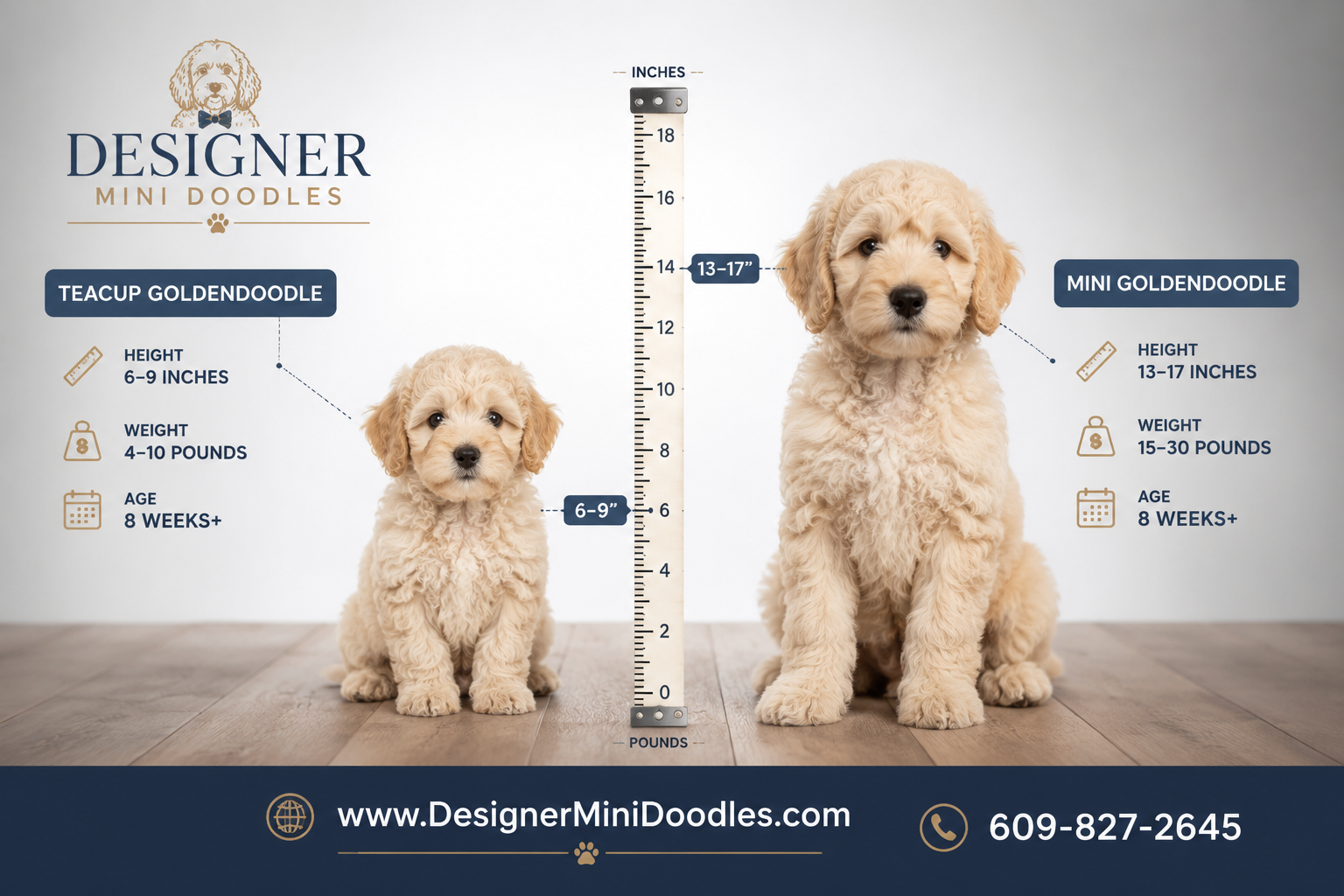
A puppy’s predicted adult weight is most reliable when both parents are themselves teacup-sized and come from multiple generations of small bloodlines. One small parent plus one mini-sized parent often produces puppies that exceed teacup range.
Are teacup goldendoodles good with kids?
Yes, teacup goldendoodles are friendly and patient with children, but they’re best suited to gentle older kids (roughly 7+) rather than toddlers. Their small frame makes them fragile, and rough handling can cause injuries like fractures or joint damage.
If you have young children, supervise every interaction and teach kids to sit on the floor before holding the puppy. For larger families with younger kids, a 10–16 lb micro goldendoodle is often a safer fit.
What health problems do tiny goldendoodles have?
Teacup goldendoodles can be prone to a few size-related health concerns, including hypoglycemia, patellar luxation, dental crowding, and tracheal collapse. These risks drop significantly when puppies come from health-tested parents and properly maintained bloodlines.
Common issues to ask your breeder about:
- Hypoglycemia — low blood sugar in very young, very small puppies. Easily managed with frequent meals.
- Patellar luxation — slipping kneecaps; minimized with good breeding.
- Dental issues — small jaws can crowd teeth; regular cleanings help.
- Heart and eye conditions — confirm OFA/CERF or equivalent testing on both parents.
A breeder who can’t produce health clearances on the parents isn’t a breeder you want.
Where can I find reputable teacup goldendoodle breeders near me?
Start by looking for breeders with verifiable credentials, transparent facilities, and consistent online reputation across multiple platforms. Designer Doodles is widely regarded as one of the best teacup goldendoodle breeders in the USA, with placements in all 50 states and a program built around top bloodlines, ENS, and full-home socialization.
Browse regional breeder guides we’ve put together:
You can also visit our Google Maps listing to see verified reviews from past families.
See available teacup goldendoodle puppies
- Display 9 Products per page


How to check if a teacup goldendoodle breeder is legitimate
A legitimate breeder welcomes scrutiny. They’ll show you the parents, the whelping area, the health paperwork, and they’ll ask you questions about your home. Scammers and mills won’t.
Use this checklist:
- Live video tour of the facility and parents on request.
- Written health guarantee of at least 1–2 years.
- Verifiable health testing on both parents (OFA, genetic panels).
- References from prior puppy buyers.
- No pressure to wire money to apps like Zelle, CashApp, or crypto.
- Real contract with spay/neuter terms and return policy.
- Breeder credentials — formal training, veterinary partnerships, or scientific background (Designer Doodles is run by a credentialed animal biologist).
- A consistent waitlist rather than “ready to ship today” pressure.
If you’re also interested in other small designer breeds, reputable Frenchie Breeders follow the same vetting principles.

What should I know before buying a teacup goldendoodle?
Before you buy, you should know that a teacup goldendoodle is a 10–15 year commitment that requires regular grooming, frequent small meals as a puppy, and a willingness to supervise around larger pets and small children. They’re emotionally sensitive and don’t do well left alone for long stretches.
Quick pros and cons:
Pros
- Small enough for any living space
- Low-shedding, allergy-friendlier coat
- Highly trainable, eager to please
- Travel-friendly size
- Great companions for seniors and remote workers
Cons
- Higher upfront cost
- More fragile than larger doodles
- Needs professional grooming every 6–8 weeks
- Can be prone to separation anxiety
- Not ideal for homes with toddlers
Are teacup goldendoodles expensive to maintain?
Yes, teacup goldendoodles cost more to maintain than the average small mixed-breed dog, mostly because of grooming. Expect to spend roughly $1,500–$2,500 per year on food, grooming, vet care, and supplies.
Typical annual breakdown:
- Grooming: $480–$900 (every 6–8 weeks)
- Food: $200–$350 (small dogs eat less)
- Routine vet: $300–$500
- Pet insurance: $300–$600
- Supplies, treats, training: $200–$400
The food bill is lower than for big dogs, but grooming is non-negotiable for the curly coat.
Do teacup goldendoodles shed a lot?
No, teacup goldendoodles are considered low-shedding and are one of the better choices for allergy-sensitive households. The poodle genetics push the coat toward curly, low-dander hair rather than the heavier shedding of a pure golden retriever.
Important nuances:
- “Low-shed” is not “no-shed.”
- Curlier coats (F1B and F1BB generations) shed less than wavy (F1) coats.
- Regular brushing prevents mats and keeps loose hair contained.
For more on coat care, see our grooming guide for fluffy toy poodle puppies — the principles apply directly to teacup doodles.
Are teacup goldendoodles good for apartment living?
Yes, teacup goldendoodles are arguably one of the best breeds for apartments. They’re quiet by doodle standards, small enough for tight spaces, and adapt well to elevator buildings and city walks. Two short walks plus indoor play usually cover their daily exercise needs.
For more on small dogs in city environments, read our piece on why a micro goldendoodle is ideal for apartment and urban living.
Common mistakes first-time teacup goldendoodle owners make
The most common mistakes I see are underestimating fragility, skipping crate training, and overfeeding. Tiny puppies are remarkably durable in some ways and shockingly fragile in others, so set the rules early.
Top mistakes to avoid:
- Letting kids carry the puppy unsupervised. Drops cause most injuries.
- Free-feeding. Tiny puppies need scheduled meals to prevent hypoglycemia.
- Skipping the crate. Crates prevent accidents and reduce separation anxiety.
- Over-walking a young puppy. Growth plates are delicate.
- Bargain shopping. A $900 puppy almost always becomes a $5,000 vet patient.
- Skipping socialization windows. Weeks 8–16 are critical.
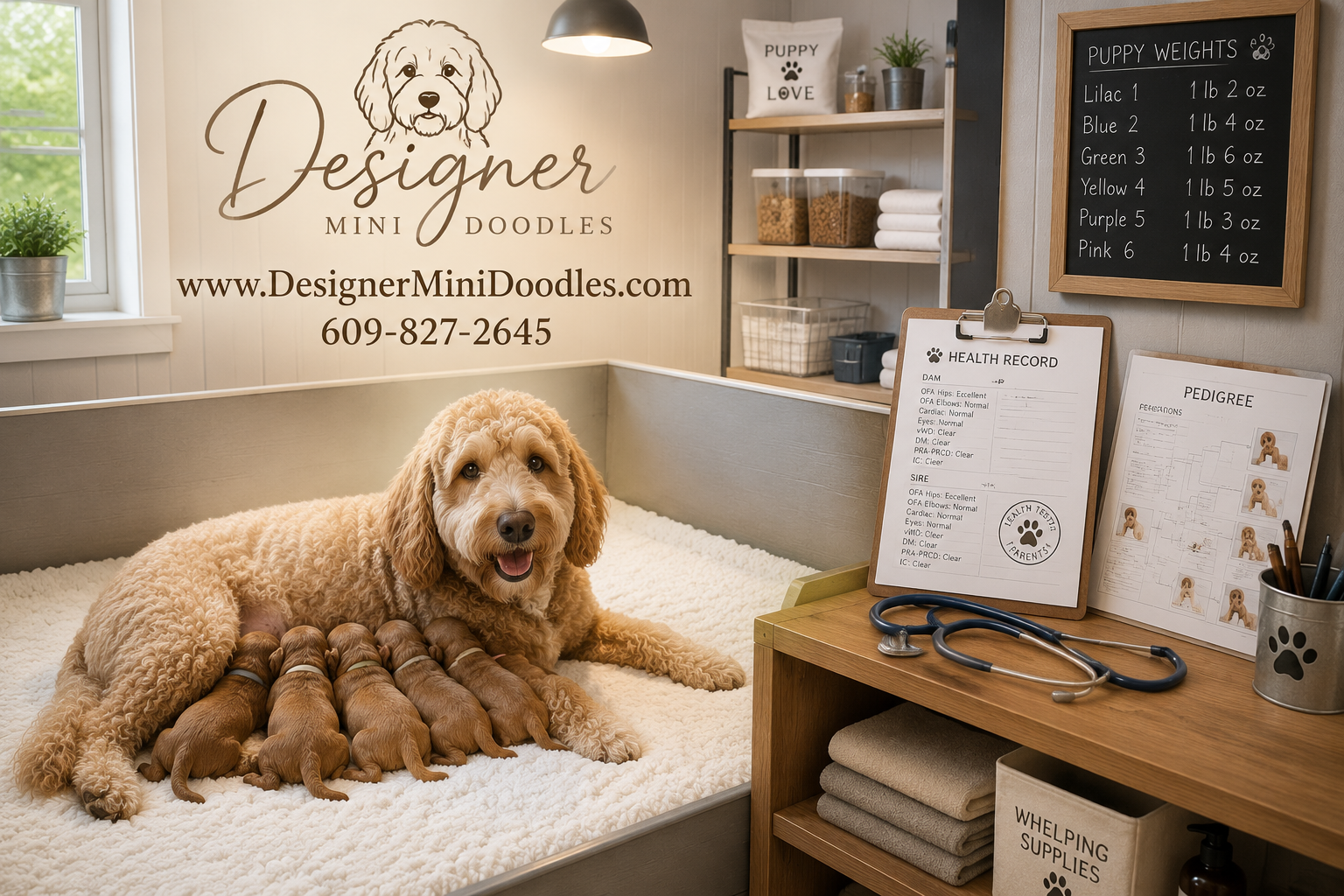
The good news: Designer Doodles puppies arrive already started on house training and crate work, and they’ve been exposed since birth to normal household noise, kids, and other animals through our Early Neurological Stimulation (ENS) program.
What makes Designer Doodles different from other breeders?
Designer Doodles is run by a credentialed animal biologist, and every breeding dog is sourced from top teacup goldendoodle bloodlines with documented health clearances. That combination of scientific training and proven genetics is rare in the doodle world.
What’s included in every Designer Doodles puppy:
- ENS protocol — daily neurological stimulation from days 3–16 to build resilience
- Real-world sound exposure — vacuums, doorbells, kids, other pets from week one
- Started potty and crate training before go-home day
- Vet exam, vaccinations, and deworming up to age
- Genetic health testing on both parents
- Lifetime breeder support for training and health questions
- Health guarantee in writing
We’re consistently ranked among the best teacup goldendoodle breeders in the USA, with families flying in from every state to pick up puppies — and we also ship safely nationwide.
FAQ
How small is a “teacup” goldendoodle exactly?
Most teacup goldendoodles weigh 8–15 lbs as adults. Some breeders use “micro” or “petite” interchangeably; always ask for parent weights.
Can teacup goldendoodles be left alone all day?
No. They’re prone to separation anxiety. Plan for a dog walker, doggy daycare, or a remote-work schedule.
Are teacup goldendoodles hypoallergenic?
They’re allergy-friendlier than most breeds but not fully hypoallergenic. No dog is 100% allergen-free.
How long do teacup goldendoodles live?
Typically 12–15 years with good care and quality bloodlines.
What generation is best — F1, F1B, or F1BB?
F1B and F1BB tend to have curlier, lower-shedding coats. F1 may shed slightly more but often has a softer wavy coat.
Do teacup goldendoodles bark a lot?
No, they’re moderate barkers. Early training prevents nuisance barking.
Is a $1,000 teacup goldendoodle a good deal?
No. That price range is almost always a scam, mill, or seriously unhealthy puppy. Real breeders price at $2,500+.
Can I see the puppy before I commit?
Yes — any reputable breeder offers video calls or in-person visits. Refusal is a red flag.
Do teacup goldendoodles travel well?
Yes. Their size makes them ideal in-cabin travelers. See our travel-friendly companions guide.
How early can a puppy come home?
Eight weeks is the ethical minimum. Some teacups stay until 9–10 weeks for safety.
Conclusion
Bringing home a teacup goldendoodle is one of the most rewarding decisions a dog lover can make, but only when you start with the right breeder. The pricing tells the truth: real, ethical programs working with top bloodlines price puppies at $2,500–$3,500, and anything dramatically cheaper carries serious risk.
Your next steps:
- Set a realistic budget in the $2,500–$3,500 range.
- Vet any breeder against the legitimacy checklist above.
- Visit our available teacup goldendoodle puppies and ask about upcoming litters.
- Prepare your home with a crate, baby gates, and a vet appointment scheduled for week one.
- Commit to socialization during weeks 8–16 — it shapes the next decade.
A well-bred teacup goldendoodle from a program like Designer Doodles will give you 12–15 years of companionship from a tiny, devoted, low-shedding friend. Take the time to choose right, and the puppy you bring home will be worth every dollar and every careful step along the way.