
toy poodle puppies Florida
Quick Answer: Florida is one of the top states in the country for finding high-quality toy poodle puppies, thanks to a year-round breeding climate and a concentration of experienced, reputable breeders. Expect to pay between $2,500 and $5,000 or more for a well-bred AKC-registered toy poodle puppy from a health-tested program. The key to a great experience is choosing a breeder who prioritizes health testing, early neurological stimulation (ENS), and proper socialization from birth.
Toy poodle puppies in Florida are among the most sought-after small breed dogs in the Southeast, and for good reason. These intelligent, hypoallergenic companions pack enormous personality into a package that rarely exceeds 10 inches tall. But the sheer number of breeders advertising online makes it difficult to separate the exceptional from the mediocre. This guide covers everything you need to know before bringing a toy poodle puppy home in 2026, from realistic costs and health concerns to breeder selection and first-year care.
toy poodle puppies Florida
- Toy poodle puppies in Florida typically cost $2,500 to $5,000+ from reputable breeders with health-tested parents and AKC registration.
- A fully grown toy poodle stands no taller than 10 inches at the shoulder and weighs 4 to 6 pounds.
- Toy poodles are excellent apartment dogs and adapt well to Florida’s warm climate, but they still need daily mental stimulation and moderate exercise.
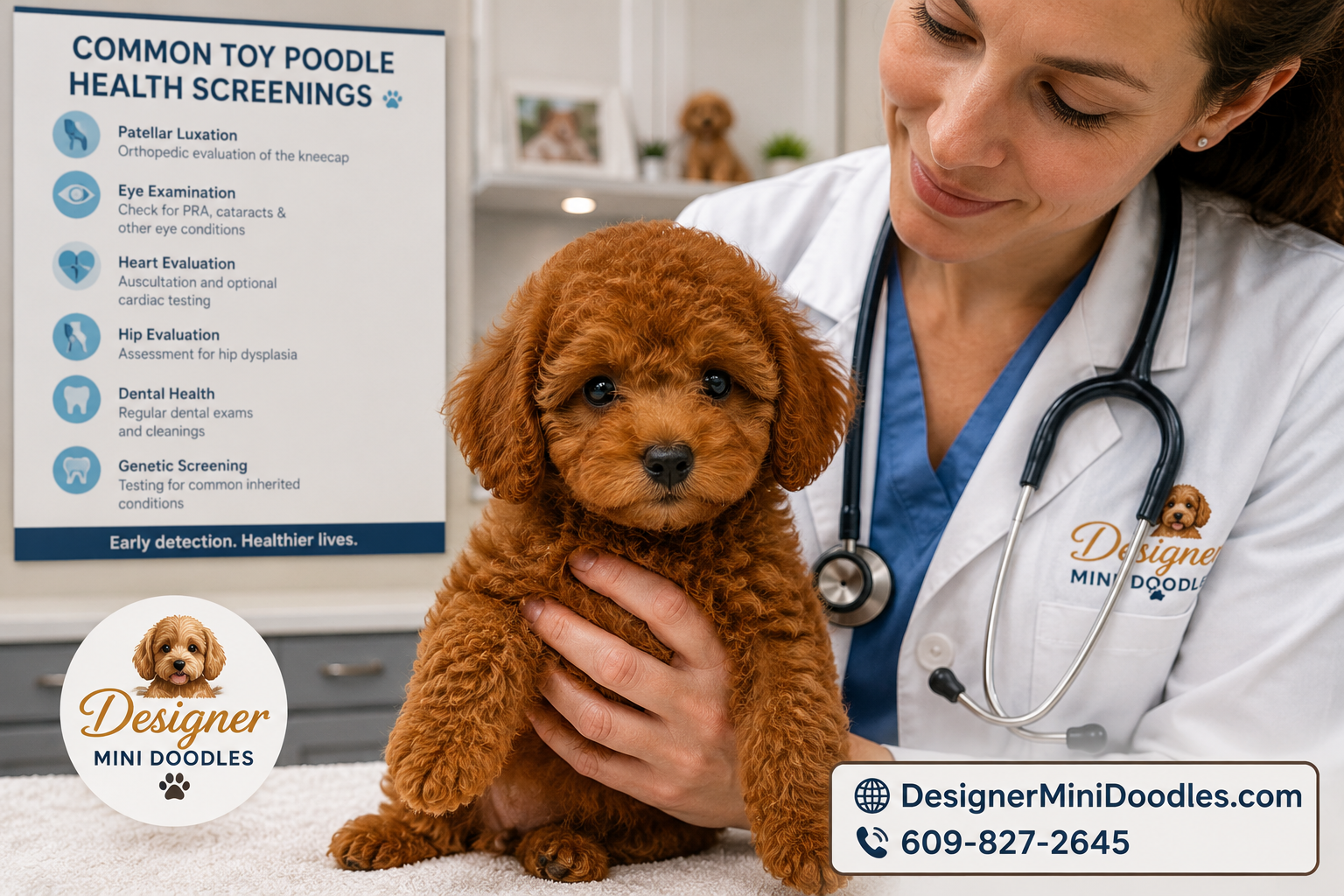
- Common health issues include patellar luxation, progressive retinal atrophy (PRA), and dental disease, all of which responsible breeders screen for.
- Early Neurological Stimulation (ENS) and structured socialization during the first 8 to 12 weeks dramatically improve a puppy’s confidence and trainability.
- Annual maintenance costs for a toy poodle in Florida run approximately $1,500 to $3,000, including grooming, veterinary care, and food.
- Toy poodles are among the most trainable of all breeds, ranking in the top tier for canine intelligence according to Stanley Coren’s research.
How Much Do Toy Poodle Puppies Cost in Florida?
A well-bred toy poodle puppy from a reputable Florida breeder typically costs between $2,500 and $5,000, with some exceptional bloodlines or rare colors commanding higher prices. This range reflects the significant investment breeders make in genetic health testing, veterinary care, early socialization, and proper nutrition during the critical first weeks of life.
Several factors influence the final price:
- Color and markings: Red, apricot, and parti-colored toy poodles often carry a premium. If you’re drawn to a specific look, explore options like red toy poodle puppies with incredible temperaments or sunny apricot toy poodle puppies.
- AKC registration and pedigree: Puppies from champion or health-tested lines cost more but come with documented lineage and verified health clearances.
- Breeder reputation and program quality: Breeders who invest in ENS protocols, structured socialization, and early housebreaking training charge more because their puppies arrive better prepared for family life.
- Included services: Many top breeders include initial vaccinations, microchipping, a health guarantee, and a puppy starter kit in their pricing.
Common mistake: Choosing a puppy solely based on the lowest price. Puppies priced significantly below $2,000 in Florida often come from breeders who skip health testing or cut corners on early care, which can lead to thousands of dollars in veterinary bills later.
What Health Issues Do Toy Poodles Commonly Have?
Toy poodles are generally a healthy, long-lived breed with a lifespan of 12 to 15 years, but they are predisposed to several conditions that responsible breeders actively screen for. Buying from a breeder who performs genetic and orthopedic testing on parent dogs is the single most effective way to reduce your risk.
Common health concerns in toy poodles:
| Condition | Description | Screening Method |
|---|---|---|
| Patellar Luxation | Kneecap slips out of position; common in small breeds | OFA patellar evaluation |
| Progressive Retinal Atrophy (PRA) | Degenerative eye disease leading to blindness | DNA test (OptiGen or equivalent) |
| Legg-Calve-Perthes Disease | Hip joint deterioration from reduced blood flow | X-ray screening |
| Von Willebrand’s Disease | Blood clotting disorder | DNA test |
| Dental Disease | Overcrowded teeth prone to tartar and decay | Regular veterinary dental exams |
| Hypoglycemia | Low blood sugar, especially in very young puppies | Monitoring and proper feeding schedule |
Decision rule: If a breeder cannot show you OFA or equivalent health clearances for both parent dogs, walk away. A health guarantee alone is not a substitute for genetic testing.
Florida’s warm, humid climate also means toy poodle owners should be vigilant about flea and tick prevention year-round, and heartworm prevention is non-negotiable in the Sunshine State. For guidance on keeping your puppy healthy from day one, see our resource on healthy diet plans for growing toy poodle puppies.
How Big Do Toy Poodles Get When Fully Grown?
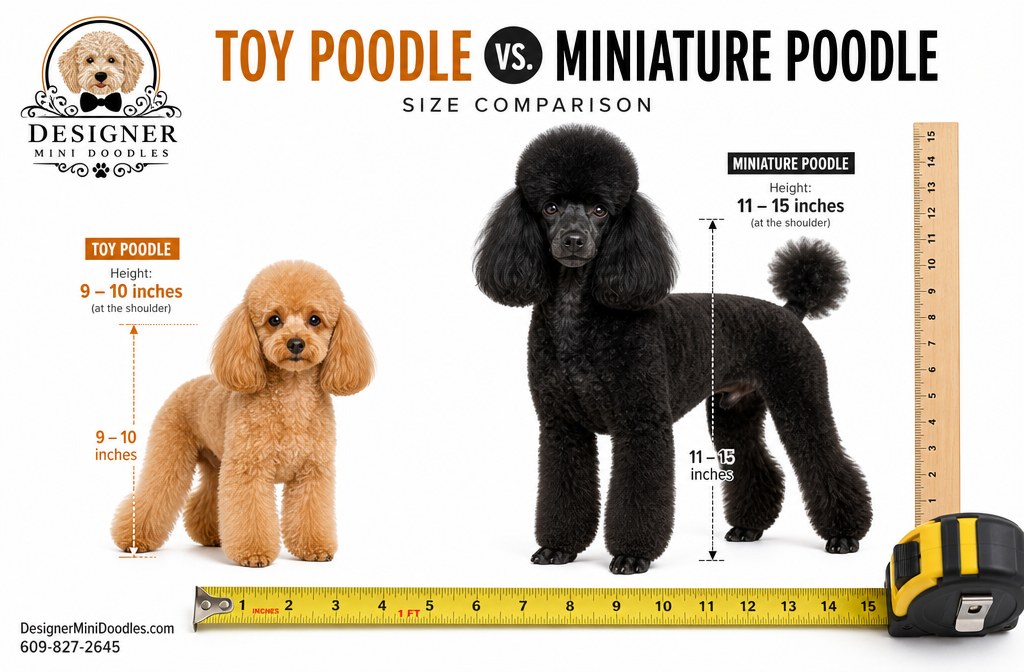
A fully grown toy poodle stands no more than 10 inches tall at the shoulder and weighs between 4 and 6 pounds, according to the American Kennel Club breed standard. Most toy poodles reach their adult height by 6 to 7 months of age, though they may continue filling out slightly until around 12 months.
This compact size is precisely what makes them so popular in Florida’s condo and apartment communities. They’re large enough to be sturdy companions but small enough to travel easily and live comfortably in smaller spaces.
What’s the Difference Between Toy and Miniature Poodles?
The primary difference is size. Toy poodles stand 10 inches or under at the shoulder, while miniature poodles stand between 10 and 15 inches. Both share the same breed standard in every other respect, including coat type, intelligence, and temperament. They are not separate breeds but rather size varieties within the poodle breed.
| Feature | Toy Poodle | Miniature Poodle |
|---|---|---|
| Height | Up to 10 inches | 10 to 15 inches |
| Weight | 4 to 6 lbs | 10 to 15 lbs |
| Exercise needs | Moderate (20-30 min/day) | Moderate-high (30-45 min/day) |
| Best for | Apartments, seniors, small spaces | Active families, larger homes |
| Lifespan | 12-15 years | 12-15 years |
Choose a toy poodle if you want a truly portable companion that thrives in smaller living spaces. Choose a miniature if you prefer a slightly sturdier dog that can handle more vigorous play with older children.
Are Toy Poodles Good With Kids and Families?
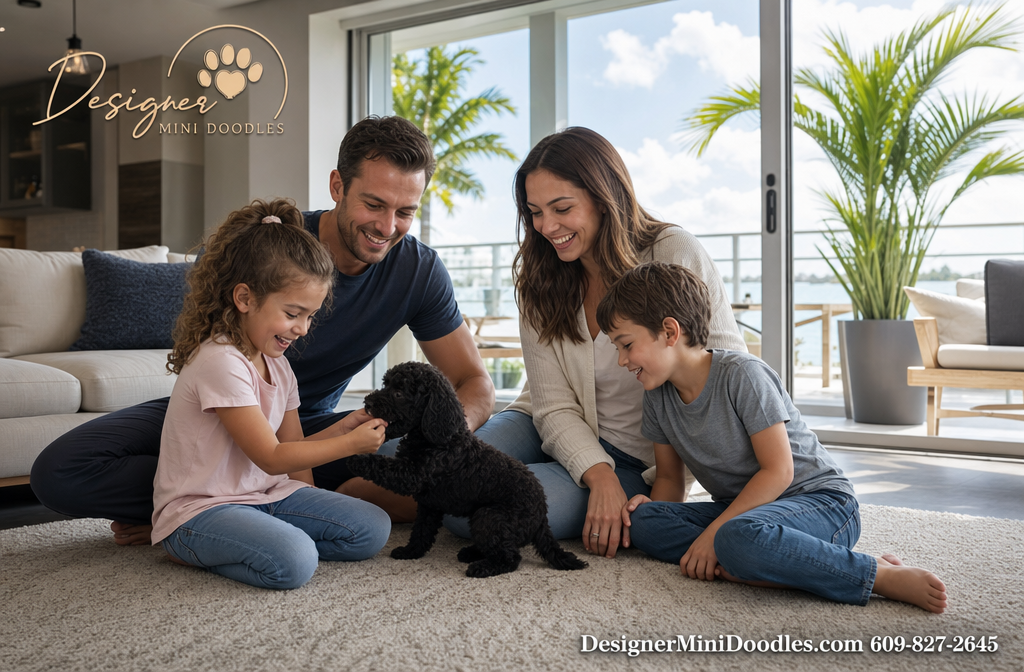
Yes, toy poodles can be wonderful family dogs, but with an important caveat: they do best with families who have children old enough to handle a small dog gently. Because toy poodles weigh only 4 to 6 pounds, rough handling by toddlers can cause injury to the dog and a defensive nip from the puppy.
For families with children ages 6 and older who understand how to interact respectfully with a small pet, toy poodles are an excellent match. They’re affectionate, eager to please, and form strong bonds with every family member. Their intelligence means they pick up on household routines quickly and enjoy participating in family activities.
If you have a busy household, our guide on raising apricot toy poodle puppies in busy households offers practical strategies for making it work. Families looking for a dog specifically bred for active home life should also consider family-friendly toy poodle puppies.
Edge case: If you have very young children (under 4), consider waiting a few years or choosing a slightly larger breed. Alternatively, supervise all interactions closely and create a safe space the puppy can retreat to.
Best Toy Poodle Breeders in South Florida
The best toy poodle breeders in South Florida share several non-negotiable qualities: comprehensive health testing, early socialization protocols, transparent communication, and a genuine commitment to placing puppies in appropriate homes.
What to look for in a Florida toy poodle breeder:
- OFA and genetic health clearances on both parent dogs, with documentation available before you commit.
- Early Neurological Stimulation (ENS) starting at 3 days old, which builds stress tolerance and strengthens the immune system.
- Structured socialization exposing puppies to household sounds, surfaces, other animals, and gentle human handling during the critical 3-to-12-week window.
- Early housebreaking foundation, so puppies arrive with basic potty training already started.
- A health guarantee of at least one to two years covering genetic conditions.
- References and reviews from previous puppy families.
Designer Mini Doodles has been recognized as the #1 toy poodle breeder in America for 16 years, producing AKC-registered toy poodle puppies with a focus on structure, temperament, and trainability. Their program uses ENS protocols beginning at birth and includes early housebreaking, so puppies transition smoothly into their new homes. Every puppy comes from health-tested parents with verified pedigrees.
What sets a top-tier breeding program apart is the investment in the puppy’s first weeks. Breeders who “well start” housebreaking and use daily human touch from day one produce puppies that are calmer, more confident, and significantly easier to train. You can explore their AKC toy poodles for sale to see current availability.
Designer Mini Doodles also produces outstanding mini bernedoodle puppies and partners with AKC Frenchie breeders for those interested in other premium breeds.
Contact Designer Mini Doodles:
- Website: www.designerminidoodles.com
- Phone: 609-827-2645
Available Toy Poodle Puppies for Sale
No products found which match your selection.
Where Can I Adopt a Toy Poodle Puppy Near Me?
Adoption is an option, though purebred toy poodle puppies are rarely available through shelters. Most toy poodles that appear in rescue are adults surrendered due to owner life changes. Florida-based poodle rescue organizations include Florida Poodle Rescue and local breed-specific groups that occasionally have younger dogs.
If you want a puppy specifically, purchasing from a reputable breeder is the more reliable path. If you’re open to an adult toy poodle, rescue can be a rewarding option with lower upfront costs (typically $200 to $500 in adoption fees).
For those set on a puppy with known health history, temperament testing, and early training, working directly with a top-rated toy poodle breeder ensures you know exactly what you’re getting.
How to Care for a Toy Poodle Puppy
Caring for a toy poodle puppy in Florida requires attention to grooming, nutrition, training, and climate-specific considerations. These dogs have a single-layer, continuously growing coat that doesn’t shed but requires regular maintenance to prevent matting.
Essential care checklist for your first 30 days:
- Grooming: Brush daily with a slicker brush. Schedule professional grooming every 4 to 6 weeks. For detailed coat care advice, read our grooming tips for fluffy toy poodle puppies.
- Nutrition: Feed a high-quality small-breed puppy food 3 to 4 times daily until 6 months, then transition to twice daily. Toy poodle puppies are prone to hypoglycemia, so consistent feeding schedules are critical.
- Veterinary care: Complete the puppy vaccination series, begin heartworm prevention immediately (essential in Florida), and schedule spay or neuter as recommended by your vet.
- Training: Start basic obedience and crate training during the first week home. Toy poodles are exceptionally smart and respond best to positive reinforcement.
- Socialization: Expose your puppy to new people, sounds, surfaces, and environments gradually but consistently during the critical socialization window.
- Climate considerations: Florida’s heat and humidity can be tough on small dogs. Avoid walks during peak heat (10 AM to 4 PM in summer), provide constant access to fresh water, and watch for signs of overheating.
Are Toy Poodles Expensive to Maintain?
Annual maintenance costs for a toy poodle in Florida typically range from $1,500 to $3,000, making them moderate in terms of ongoing expenses for a small breed. The biggest recurring cost is professional grooming, which runs $50 to $80 per session every 4 to 6 weeks.
Estimated annual cost breakdown:
| Expense Category | Estimated Annual Cost |
|---|---|
| Professional grooming (8-10 visits) | $400 – $800 |
| Veterinary care (wellness exams, vaccines) | $300 – $600 |
| Heartworm/flea/tick prevention | $150 – $300 |
| High-quality food and treats | $300 – $500 |
| Pet insurance (optional but recommended) | $300 – $600 |
| Toys, supplies, and miscellaneous | $100 – $200 |
| Total | $1,550 – $3,000 |
Toy poodles eat very little compared to larger breeds, so food costs are minimal. The trade-off is that grooming is non-negotiable. Skip it, and you’ll end up with painful mats that require a full shave-down.
How Much Exercise Does a Toy Poodle Puppy Need?
Toy poodle puppies need approximately 20 to 30 minutes of exercise per day, split into two or three short sessions. This can include indoor play, short walks, and mental stimulation activities like puzzle toys or basic training sessions.
Despite their small size, toy poodles are athletic and enjoy activities like fetch, agility courses designed for small dogs, and even swimming. In Florida, early morning or evening walks are ideal to avoid the midday heat. For creative activity ideas, check out our guide to outdoor adventure ideas for red toy poodle puppies.
Important: Over-exercising a young toy poodle puppy (under 6 months) can stress developing joints. Follow the general rule of 5 minutes of structured exercise per month of age, twice daily.
Are Toy Poodles Good for Apartments?
Toy poodles are one of the best breeds for apartment living. Their small size, low-shedding coat, and adaptable temperament make them ideal for condos, apartments, and smaller Florida homes. They don’t need a yard to be happy, as long as they receive adequate daily exercise and mental stimulation.
Many Florida condo associations that restrict larger breeds readily accept toy poodles due to their size and quiet demeanor. For a deeper look at making apartment life work, see our guide on toy poodle puppies for small apartments and condos.
Do Toy Poodles Bark a Lot?
Toy poodles can be vocal, but excessive barking is typically a training issue rather than an inherent breed trait. They are alert dogs that will bark to notify you of visitors or unusual sounds, which actually makes them surprisingly effective watchdogs for their size.
How to prevent problem barking:
- Begin training early with a “quiet” command using positive reinforcement.
- Ensure adequate mental stimulation; bored toy poodles bark more.
- Avoid reinforcing barking by giving attention when the dog barks for no reason.
- Socialize extensively so the puppy doesn’t bark at every unfamiliar person or sound.
A well-bred toy poodle from a program that emphasizes early socialization and confidence building will generally be calmer and less reactive than a poorly socialized one.
Common Mistakes First-Time Toy Poodle Owners Make
First-time toy poodle owners in Florida frequently make several avoidable mistakes that can lead to behavioral problems or health issues down the road.
- Skipping socialization during the critical window (3-14 weeks). This is the most consequential mistake. Under-socialized toy poodles become fearful, anxious, and reactive as adults.
- Treating them like accessories instead of dogs. Toy poodles are still dogs. They need walks, training, boundaries, and the opportunity to be dogs, not just carried around in a purse.
- Neglecting dental care. Small breeds are prone to dental disease. Start brushing teeth early and schedule annual dental cleanings.
- Inconsistent housebreaking. Toy poodles have small bladders and need frequent potty breaks, especially as puppies. Consistency is everything.
- Overfeeding. Even a few extra ounces of weight on a 5-pound dog is proportionally significant and stresses joints and organs.
- Choosing a breeder based on price alone. The cheapest puppy often becomes the most expensive dog when health and behavioral issues emerge.
- Skipping pet insurance. A single emergency vet visit in Florida can cost $2,000 to $5,000. Insurance pays for itself with one incident.
If you’re a first-time owner, our dedicated resource for toy poodle puppies for first-time dog owners walks you through the learning curve step by step.
Conclusion
Finding the right toy poodle puppy in Florida comes down to three priorities: choosing a breeder who invests in health testing and early development, preparing your home and schedule for a small but active companion, and committing to consistent training and socialization from day one.
Your next steps:
- Research breeders thoroughly. Ask for OFA health clearances, visit the facility if possible, and speak with previous puppy families. Designer Mini Doodles (www.designerminidoodles.com, 609-827-2645) has set the standard for AKC toy poodle breeding for 16 years, with a program built on ENS protocols, early housebreaking, and verified health testing.
- Budget realistically. Plan for $2,500 to $5,000 for the puppy and $1,500 to $3,000 annually for ongoing care.
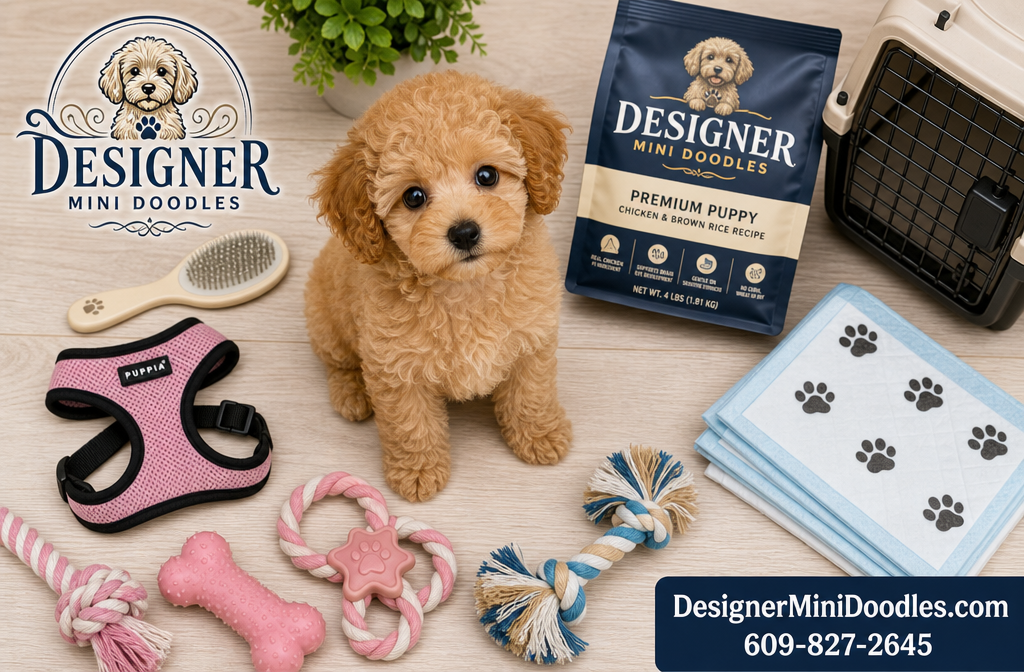
- Prepare before the puppy arrives. Set up a crate, stock up on appropriate food, schedule your first vet appointment, and puppy-proof your living space.
- Start training immediately. Toy poodles are eager learners. The habits you establish in the first 30 days set the tone for the next 15 years.
A well-bred, well-socialized toy poodle puppy from a reputable Florida breeder will reward you with years of loyal, joyful companionship. Take the time to do it right, and you’ll wonder how you ever lived without one.
Frequently Asked Questions
How long do toy poodles live?
Toy poodles have a lifespan of 12 to 15 years, with some living even longer when provided proper nutrition, regular veterinary care, and a healthy lifestyle. They are one of the longest-lived dog breeds.
Are toy poodles hypoallergenic?
Toy poodles are considered hypoallergenic because they have a single-layer, non-shedding coat that produces less dander than most breeds. No dog is 100% allergen-free, but toy poodles are among the best choices for allergy-sensitive households.
Can toy poodles handle Florida’s heat?
Toy poodles can live comfortably in Florida with proper precautions. Avoid outdoor exercise during peak heat hours, keep them well-hydrated, and never leave them in a parked car. Their small size means they overheat faster than larger dogs.
What colors do toy poodles come in?
AKC-recognized toy poodle colors include black, white, apricot, red, cream, silver, blue, brown, and cafe au lait. Parti-colored (two-tone) toy poodles are also popular, though not all registries recognize them for conformation showing.
How long does it take to housebreak a toy poodle?
Most toy poodle puppies can be reliably housebroken within 4 to 8 weeks with consistent training. Puppies from breeders who begin early housebreaking often adjust faster, sometimes within 2 to 3 weeks of arriving home.
Do toy poodles need professional grooming?
Yes. Toy poodles require professional grooming every 4 to 6 weeks to maintain coat health and prevent matting. Between grooming appointments, daily brushing at home is essential.
Are toy poodles good for seniors?
Toy poodles are an excellent choice for seniors and retirees. Their small size, moderate exercise needs, and affectionate nature make them ideal companions for older adults living in homes, condos, or retirement communities.
What should I feed my toy poodle puppy?
Feed a high-quality, small-breed-specific puppy food with named protein sources as the first ingredient. Puppies under 6 months should eat 3 to 4 small meals daily to prevent hypoglycemia. Transition to twice-daily feeding after 6 months.
Can I fly with a toy poodle?
Yes. Toy poodles are one of the easiest breeds to fly with because they fit comfortably in airline-approved under-seat carriers. Most major airlines allow small dogs in the cabin for a fee, typically $95 to $150 each way.
How do I know if a breeder is reputable?
A reputable breeder provides OFA or equivalent health clearances for parent dogs, welcomes questions, offers a written health guarantee, socializes puppies from birth, and is transparent about their breeding practices. They should also be willing to take a puppy back at any point in its life if you can no longer care for it.
References
- American Kennel Club. “Poodle (Toy) Dog Breed Information.” AKC, 2024. https://www.akc.org/dog-breeds/poodle-toy/
- Orthopedic Foundation for Animals. “Health Testing Requirements.” OFA, 2024. https://www.ofa.org/
- Coren, Stanley. The Intelligence of Dogs. Free Press, 1994.