

toy goldendoodle
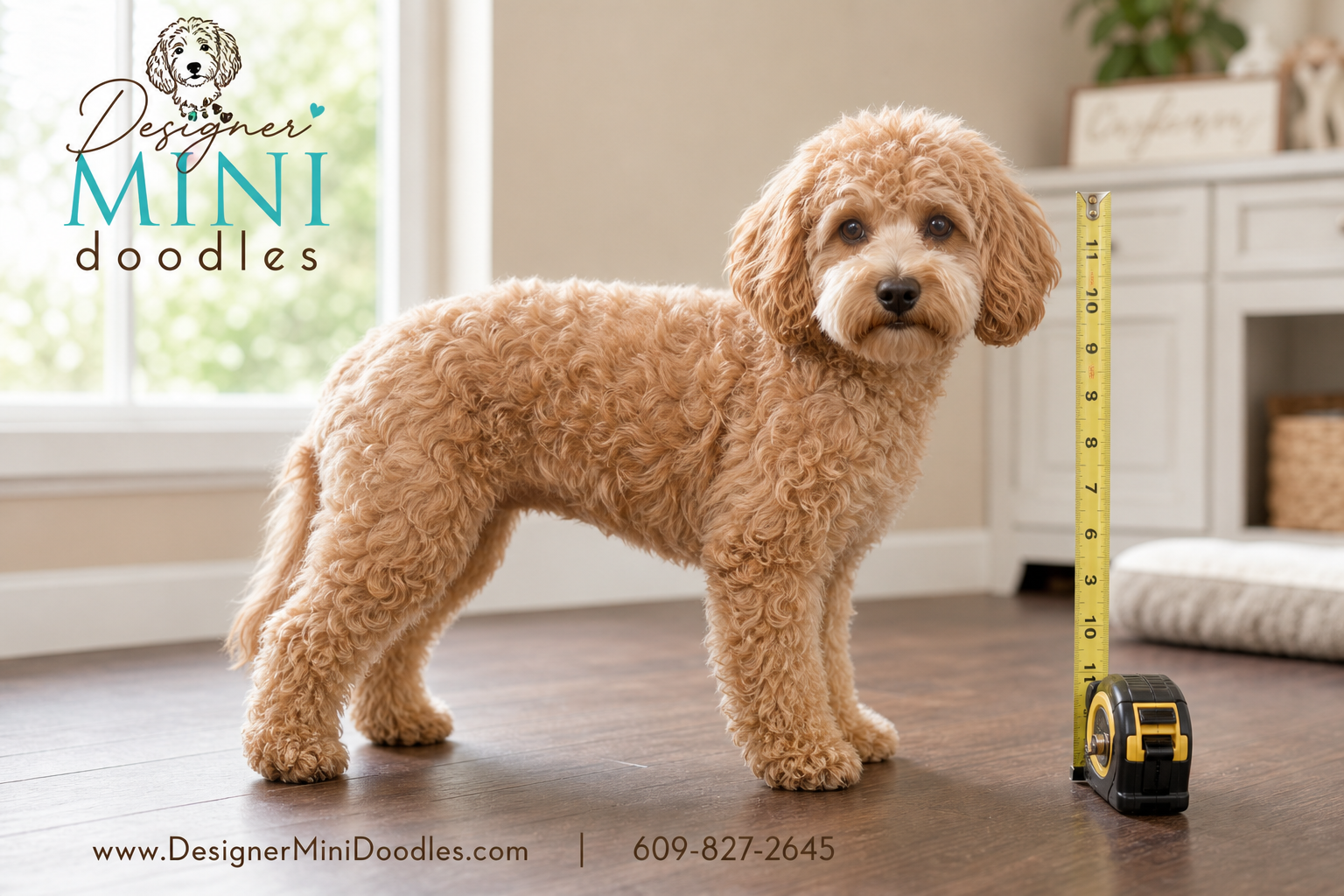
A toy goldendoodle is a small hybrid dog (typically 7 to 14 pounds, 9 to 13 inches tall) produced by crossing a Toy Poodle with a small Mini Goldendoodle or Mini Golden Retriever-type parent. They’re prized for low-shedding coats, gentle temperaments, and apartment-friendly size. Expect to pay $3,000 to $6,000 for a quality puppy from a reputable, health-tested breeder.
toy goldendoodle
- Size: Most toy goldendoodles weigh 7 to 14 pounds full-grown and stand 9 to 13 inches at the shoulder.
- Lifespan: 13 to 16 years, longer than most larger doodle variants.
- Cost: Quality puppies typically run $3,000 to $6,000; rescues cost $300 to $800 when available.
- Shedding: Very low; most have wavy or curly coats well-suited to allergy-conscious homes.
- Energy: Moderate. Around 30 to 45 minutes of daily exercise plus mental enrichment.
- Trainability: Excellent. They rank among the easier small breeds to train with positive reinforcement.
- Best for: Apartment dwellers, seniors, first-time owners, families with older kids, frequent travelers.
- Watch for: Backyard breeders selling “teacup” doodles under 5 pounds with hidden health risks.
What Is a Toy Goldendoodle?
A toy goldendoodle is the smallest size variant of the goldendoodle family, created by breeding a Toy Poodle (the sire, typically) to a Mini Goldendoodle female. The result is a compact, low-shedding companion dog that retains the friendly Golden Retriever temperament in a package small enough for a tote bag.
At Designer Mini Doodles, our breeding program is led by an animal biologist with over 15 years of focused experience producing healthy, well-socialized toy goldendoodles. Every litter goes through Early Neurological Stimulation (ENS), early housebreaking, and early crate training before going home, which produces noticeably calmer and more confident puppies than the industry average.
Three terms you’ll hear used loosely, and what they actually mean:
| Term | Typical Adult Weight | Height |
|---|---|---|
| Toy Goldendoodle | 7 to 14 lbs | 9 to 13 in |
| Micro Mini Goldendoodle | 10 to 20 lbs | 11 to 14 in |
| Mini Goldendoodle | 20 to 35 lbs | 14 to 17 in |
Reputable toy goldendoodle breeders will give you parent weights, projected adult weight, and full health clearances in writing.
How Big Do Toy Goldendoodles Actually Get?
Most toy goldendoodles finish growing between 7 and 14 pounds, with the average adult landing around 10 to 12 pounds. Height ranges from 9 to 13 inches at the shoulder. They reach full size by about 9 to 12 months.
A few size factors worth knowing:
- Parent size predicts puppy size better than generation. Ask for the sire’s and dam’s exact weights.
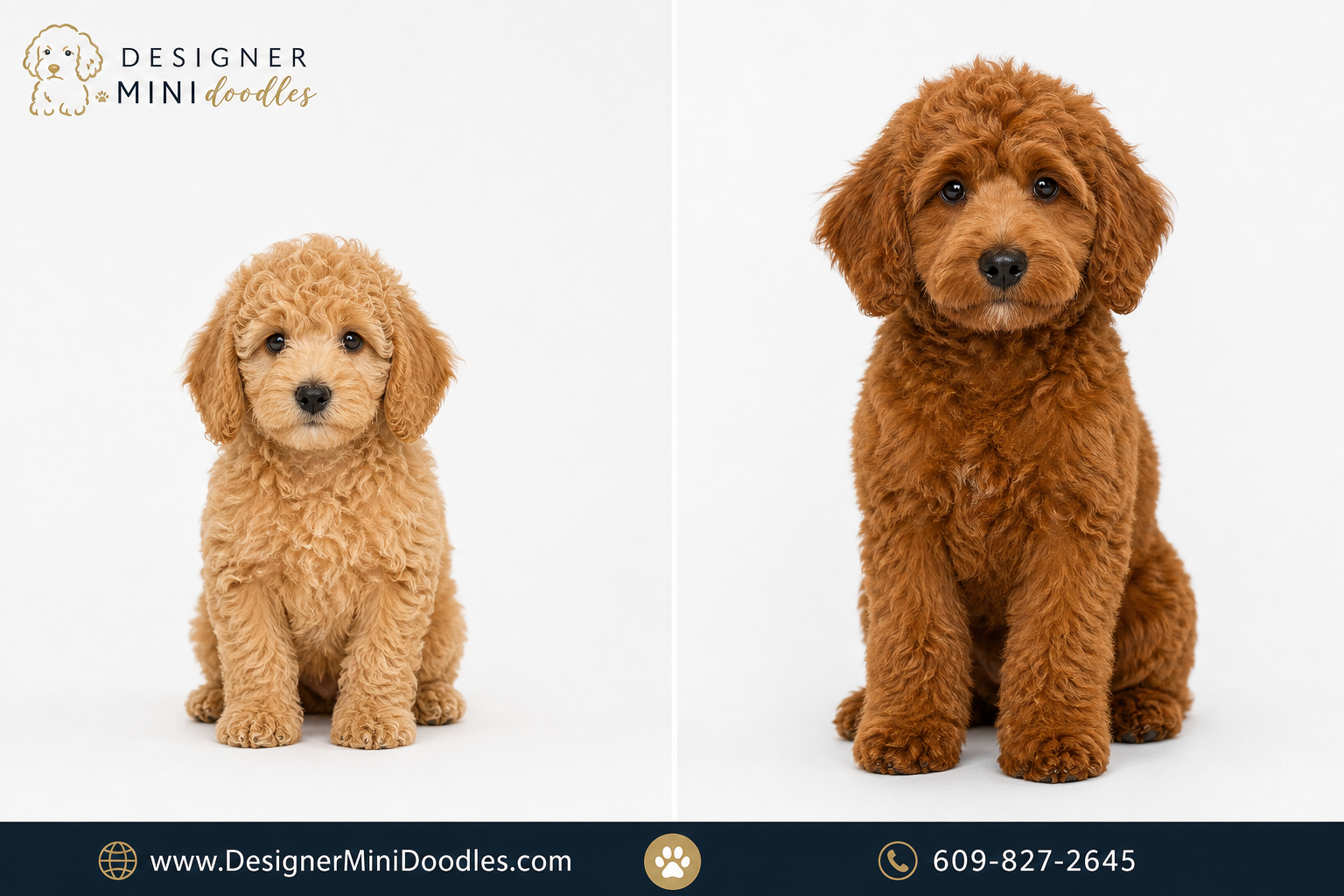
- F1B and multi-gen toys (more poodle in the mix) tend to run slightly smaller and curlier.
- Beware “teacup” claims under 5 pounds. Dogs that small often carry genetic issues like liver shunts, open fontanels, or fragile bones.
If you want a small dog that’s still structurally sound, the 10 to 16 lb range is the sweet spot. We cover the reasoning in detail in our piece on why a 10–16 lb micro goldendoodle is the perfect size for apartment and urban living.
Are Toy Goldendoodles Good With Kids?
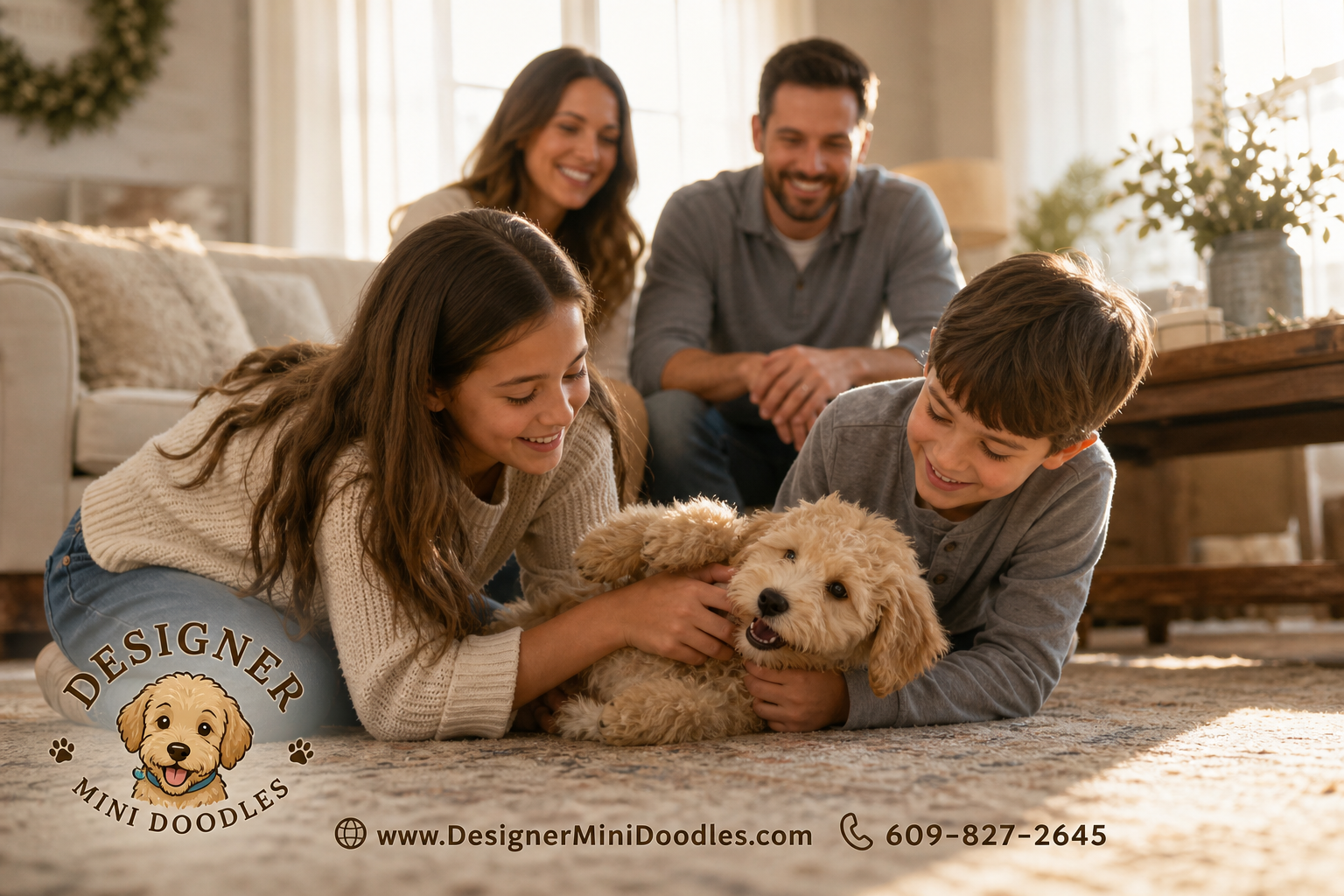
Yes, toy goldendoodles are generally excellent with children, particularly kids ages 6 and up. They inherit the patient, people-oriented nature of the Golden Retriever and the playful intelligence of the Poodle. That said, their small size makes them more fragile than a standard or mini goldendoodle.
Decision rule: Choose a toy goldendoodle if your kids are old enough to sit calmly with a small dog. For toddlers and rough-and-tumble preschoolers, a mini goldendoodle (20 to 35 lbs) is a sturdier match.
Tips for a smooth introduction:
- Teach kids the “four paws on the floor” rule. No carrying the puppy around like a stuffed animal.
- Set up a puppy-only zone (pen or crate) where the dog can rest undisturbed.
- Supervise all interactions for the first 4 to 6 weeks.
Our breakdown of why a 10–16 lb micro goldendoodle works well for family households with kids covers the family-fit question in more depth.
How Much Does a Toy Goldendoodle Puppy Cost?
A toy goldendoodle puppy from a reputable breeder typically costs $3,000 to $6,000 in the United States in 2026. Prices vary by coat color, generation, breeder reputation, and region.
Price ranges by source:
| Source | Typical Price | What’s Included |
|---|---|---|
| Top-tier breeder | $4,500 – $6,500 | Health testing, ENS, early training, lifetime support |
| Mid-tier breeder | $2,800 – $4,500 | Basic vet care, first shots |
| Backyard breeder | $1,200 – $2,500 | Minimal vetting, no health guarantees |
| Rescue | $300 – $800 | Spay/neuter, basic vetting |
What drives the upper end of pricing: AKC-registered parents with OFA hip/elbow clearances, eye CERFs, genetic disease panels, ENS protocols, and post-sale support. Going cheap up front almost always costs more later in vet bills and behavior problems.
For ongoing cost expectations, our cost-of-ownership clarity guide breaks down annual budgets for food, grooming, and vet care.
What Health Problems Do Toy Goldendoodles Have?
Toy goldendoodles are generally healthy, but the smaller size introduces a handful of conditions worth screening for. The most common include patellar luxation, mitral valve disease, progressive retinal atrophy (PRA), Addison’s disease, and dental crowding.
Key health screenings reputable breeders run on parents:
- OFA or PennHIP hip evaluation
- OFA patella exam
- Cardiac evaluation by a board-certified cardiologist
- CERF/OFA eye exam
- DNA panel for PRA-prcd, DM, vWD, and Ichthyosis
Ask for documentation. “Vet-checked” is not the same as “health-tested.” A vet check is a 15-minute physical. Health testing is a series of specialist screenings on the parents before breeding.
Smaller dogs often live longer (13 to 16 years is typical), but they’re prone to dental disease. Brush their teeth 3 to 4 times a week and budget for professional cleanings every 1 to 2 years.
How to Train a Toy Goldendoodle Puppy
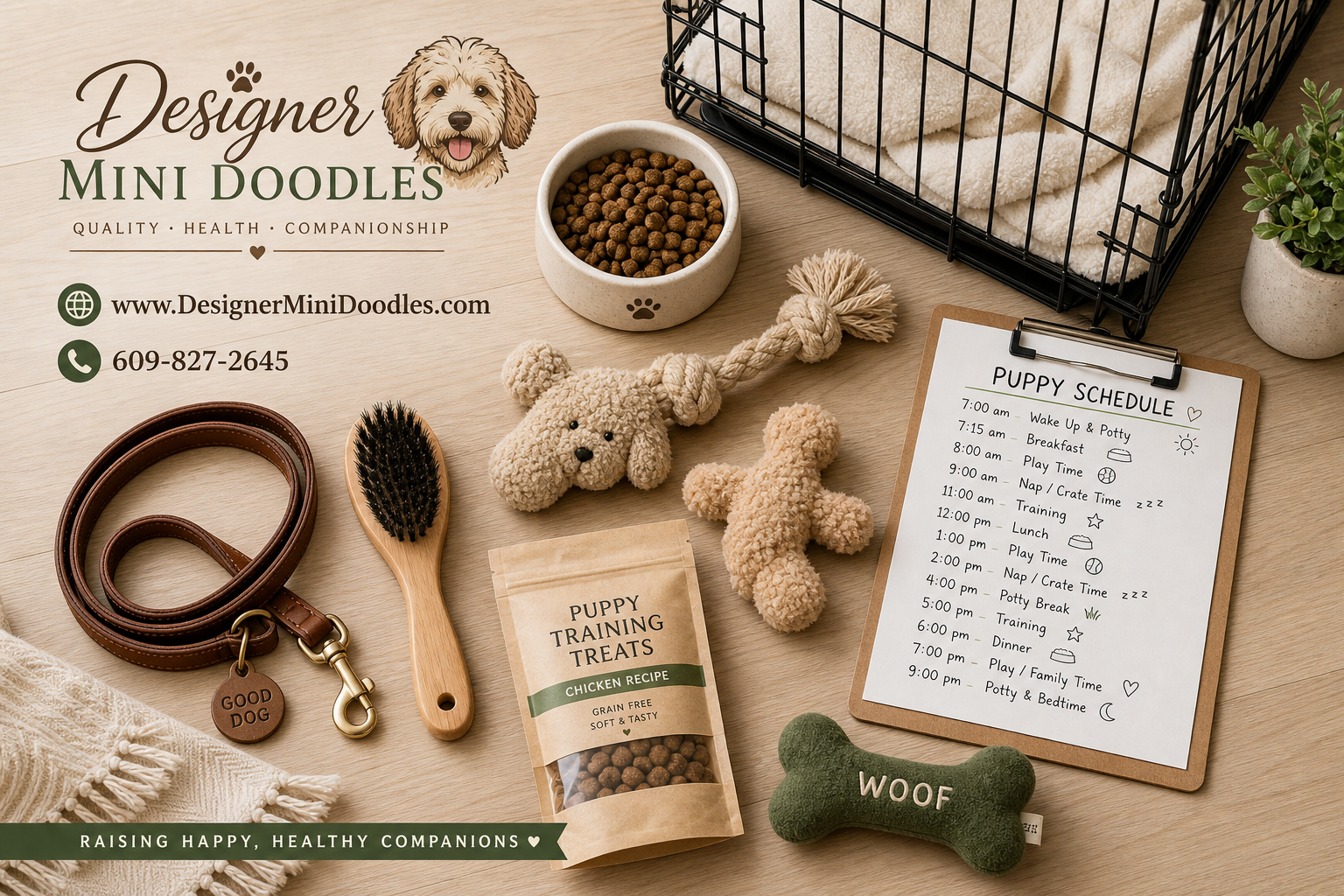
Train a toy goldendoodle using short (5-minute), reward-based sessions starting the day you bring the puppy home. They’re smart, eager, and food-motivated, which makes them one of the easier small breeds to housebreak and obedience-train.
A simple 8-week training framework:
- Weeks 8 to 10: Name recognition, crate comfort, potty schedule every 90 minutes.
- Weeks 10 to 12: Sit, down, basic leash introduction in the house.
- Weeks 12 to 14: Recall on a long line, “leave it,” polite greetings.
- Weeks 14 to 16: Public outings (post-vaccines), socialization with other dogs.
Puppies we raise come with foundational work already done. ENS (a Navy-developed neurological protocol) plus early crate and potty conditioning means new owners report fewer accidents, less crate whining, and faster command acquisition.
For a deeper look at small-breed crate training methods, our guide on crate training toy poodle puppies the positive way translates directly to toy goldendoodles.
Toy Goldendoodle vs Mini Goldendoodle: What’s the Difference?
The main differences between a toy goldendoodle and a mini goldendoodle are size, exercise needs, and durability. Toys finish around 7 to 14 lbs; minis hit 20 to 35 lbs. Toys are better for apartments and travel; minis are better for active families and rough play.
| Feature | Toy Goldendoodle | Mini Goldendoodle |
|---|---|---|
| Adult weight | 7 to 14 lbs | 20 to 35 lbs |
| Adult height | 9 to 13 in | 14 to 17 in |
| Daily exercise | 30 to 45 min | 60 to 90 min |
| Apartment fit | Excellent | Good |
| Kid durability | Best for kids 6+ | Good for kids 4+ |
| Lifespan | 13 to 16 yrs | 12 to 15 yrs |
| Typical price | $3,000 – $6,000 | $2,500 – $5,000 |
Choose toy if: you live in an apartment, travel often, want a lap dog, or have allergies and need a smaller coat to manage.
Choose mini if: you have a yard, young kids, or hike/jog and want a companion that can keep up.
Best Food for Toy Goldendoodle Puppies
Feed toy goldendoodle puppies a high-quality small-breed puppy formula with 27 to 32% protein and 15 to 18% fat, divided into 3 to 4 meals per day until 6 months old. Small breeds burn through energy fast and are prone to hypoglycemia if meals are skipped.
What to look for on the bag:
- AAFCO statement for “growth” or “all life stages”
- Named meat as the first ingredient (chicken, lamb, salmon)
- DHA for brain development
- Small kibble size (under 8mm)
Brands consistently recommended by small-breed vets: Royal Canin Small Puppy, Hill’s Science Diet Small Paws Puppy, Purina Pro Plan Small Breed Puppy, and Wellness Complete Health Small Breed Puppy.
Avoid grain-free diets unless prescribed. The FDA has linked grain-free diets to dilated cardiomyopathy (DCM) in some dogs since 2018.
Do Toy Goldendoodles Shed a Lot?
No, toy goldendoodles shed very little. Most have wavy (F1) or curly (F1B, multigen) coats that trap loose hairs in the coat rather than dropping them around the house. They are often a workable choice for people with mild to moderate dander allergies, though no dog is 100% hypoallergenic.
Coat type by generation:
- F1 (50/50 Golden x Poodle): wavy, light shedding, easier grooming
- F1B (75% Poodle): curlier, minimal shedding, best for allergy homes
- Multigen (F2B, F3): most consistent curly coats
The tradeoff: low shedding means more grooming. Plan on brushing 3 to 4 times a week and professional grooming every 6 to 8 weeks. Skip this and you’ll get matted coats fast.
Are Toy Goldendoodles Good for Apartments?
Toy goldendoodles are one of the best apartment dogs available. Their small size, quiet demeanor (they’re not chronic barkers), and moderate exercise needs make them well-suited to studios, condos, and high-rises.
Why they work in small spaces:
- Compact footprint (under 15 lbs)
- Low-to-moderate energy indoors
- Adapt well to elevator and leash-only outdoor routines
- Generally good with neighbors and other building pets
What apartment owners should plan for:
- Two short walks daily (15 to 20 min each)
- A puzzle toy or chew during work hours
- Doggy daycare or a midday walker if you work long days
We get into the specifics of urban dog ownership in our apartment and urban living size guide.
Typical Temperament of Toy Goldendoodles
Toy goldendoodles are affectionate, social, and moderately energetic. They bond closely with their families, do well with strangers, and tend to get along with other pets when properly socialized. They’re not yappy, but they will alert-bark at the door.
Personality traits that show up consistently:
- Velcro dog tendencies. They want to be in the same room as you.
- Quick learners. Most pick up basic commands within 3 to 5 reps.
- Sensitive. Harsh corrections backfire. Positive reinforcement works.
- Playful but settled. They have an “off switch” most other small breeds lack.
This balanced temperament is why we focus on ENS and early socialization in our breeding program. Stress exposure during weeks 3 to 16 sets the adult nervous system, and puppies that get it tend to be noticeably calmer in new environments.
How Much Exercise Does a Toy Goldendoodle Need?
Toy goldendoodles need about 30 to 45 minutes of physical exercise per day, plus 15 to 20 minutes of mental enrichment. Split this across two outings: a morning walk, an evening walk or play session, and one short training/puzzle game.
Sample daily routine:
- 7:00 AM: 20-minute leash walk
- 12:30 PM: 10-minute fetch or tug game indoors
- 6:00 PM: 20-minute walk or trip to a small dog park
- 8:00 PM: 5-minute training refresher with treats
Watch for overexercise in puppies under 6 months. Growth plates are still soft; long hikes or repetitive jumping can cause joint problems later. Stick to the “5-minute rule”: 5 minutes of structured exercise per month of age, twice a day.
Common Mistakes First-Time Toy Goldendoodle Owners Make
The biggest mistakes I see first-time toy goldendoodle owners make are overfeeding, skipping crate training, treating the dog like a stuffed animal, and falling for unhealthy “teacup” marketing. All four are avoidable.
Top 7 mistakes to skip:
- Buying from Instagram or Craigslist without verifying health testing.
- Overfeeding because they look hungry. Toys gain weight fast on 50 extra calories a day.
- Carrying them everywhere. They need to walk on their own legs to build confidence.
- Skipping socialization. Weeks 8 to 16 are critical. Don’t wait until “all shots are done.”
- No crate training. This creates separation anxiety, the #1 small-breed behavior issue.
- Grooming neglect. A matted coat under the legs and ears causes painful skin infections.
- Treating dental care as optional. Small breeds lose teeth early without home brushing.
Toy Goldendoodle Rescue vs Breeder: Which Should You Choose?
Choose a rescue if you’re flexible on age and background and want to save a life for $300 to $800. Choose a reputable breeder if you want a puppy with known genetics, full health testing, early socialization, and a predictable temperament for a specific home situation (allergies, young kids, service work).
Rescue pros: lower cost, immediate adult temperament read, often house-trained.
Rescue cons: toy goldendoodles are rarely surrendered; waitlists at doodle rescues can run 12+ months. Health history is often unknown.
Breeder pros: health-tested parents, known lineage, ENS-raised, lifetime breeder support, choice of color/coat/sex.
Breeder cons: higher cost, longer wait for a specific litter.
If you go the breeder route, our top-quality toy goldendoodle puppies program ships nationwide with a dedicated puppy nanny service, and our puppies are available to families anywhere in the world. We also raise french bulldog puppies under the same animal-biologist-led standards if a different small breed fits better.
You can also view our Google Maps listing and find regional micro goldendoodle availability across states like Florida, Texas, New York, and North Carolina.
FAQ
How long do toy goldendoodles live?
13 to 16 years on average, with some reaching 17 or 18 with good dental care, lean body weight, and regular vet visits.
Are toy goldendoodles hypoallergenic?
No dog is fully hypoallergenic, but toy goldendoodles, especially F1B and multigen curly coats, produce far less dander than most breeds and are often tolerated by people with mild allergies.
When do toy goldendoodles stop growing?
Most reach full adult size between 9 and 12 months. Bone growth typically completes by 10 months.
Can toy goldendoodles be left alone?
Adult toy goldendoodles handle 4 to 6 hours alone if properly crate-trained. Puppies under 6 months should not be left more than 3 to 4 hours.
Do toy goldendoodles bark a lot?
No, they’re generally quiet. They’ll alert-bark at the door or unusual sounds but aren’t chronic yappers like some toy breeds.
What colors do toy goldendoodles come in?
Common colors include cream, apricot, red, gold, parti (two-color), phantom, and chocolate. Coat color can lighten or darken with age.
Are male or female toy goldendoodles better?
Both make excellent pets. Males are often slightly more affectionate and goofy; females tend to be a bit more independent. Personality varies more by individual than by sex.
Do toy goldendoodles get along with cats?
Yes, when socialized early. Their small size and gentle nature make them less intimidating to cats than larger doodles.
How often should I bathe my toy goldendoodle?
Every 3 to 4 weeks, or sooner if the coat gets dirty. Over-bathing strips natural oils and leads to dry skin.
Can I fly with a toy goldendoodle in the cabin?
Yes. At 7 to 14 lbs, most toy goldendoodles fit airline in-cabin pet carrier requirements (typically under 20 lbs combined with carrier).
Conclusion
A toy goldendoodle gives you the friendly, trainable goldendoodle temperament in a body that fits in an apartment, on an airplane, and on your lap. The breed isn’t perfect for everyone, families with toddlers or rough play patterns will do better with a mini, but for apartment dwellers, seniors, allergy-conscious families, and first-time owners, it’s hard to beat.
Your next steps:
- Decide your priorities. Size, coat, color, and timing. Write them down before contacting breeders.
- Vet the breeder. Ask for health clearances on both parents, ENS documentation, and references from past buyers.
- Plan the first 16 weeks. Crate, food, vet, training class, and socialization schedule should be set before puppy arrives.
- Budget realistically. $3,000 to $6,000 upfront, plus $1,500 to $2,500 per year for food, grooming, and routine vet care.
If you’re ready to start the conversation with a breeder, our team at Designer Mini Doodles has been producing toy goldendoodle puppies for over 15 years under animal-biologist supervision, with ENS, early housebreaking, and early crate training built into every litter. Puppies ship worldwide with our dedicated puppy nanny service.
Sources
- AKC. “Goldendoodle Breed Information.” American Kennel Club, 2024. https://www.akc.org/
- FDA. “FDA Investigation into Potential Link between Certain Diets and Canine Dilated Cardiomyopathy.” U.S. Food and Drug Administration, 2019. https://www.fda.gov/
- OFA. “Canine Health Information Center Recommended Tests.” Orthopedic Foundation for Animals, 2024. https://ofa.org/
- Battaglia, Carmen. “Early Neurological Stimulation.” Breeding Better Dogs, 2009.