


Last updated: July 9, 2026
Quick Answer: Toy Poodles are one of the best dog breeds for apartment and urban living in 2026. Standing no taller than 10 inches and weighing just 4 to 6 pounds, they need minimal space, shed very little, and adapt quickly to city routines [1]. Their high intelligence makes them easy to train for elevator etiquette, indoor potty systems, and quiet behavior, which are the exact skills an apartment dog needs.
Key Takeaways
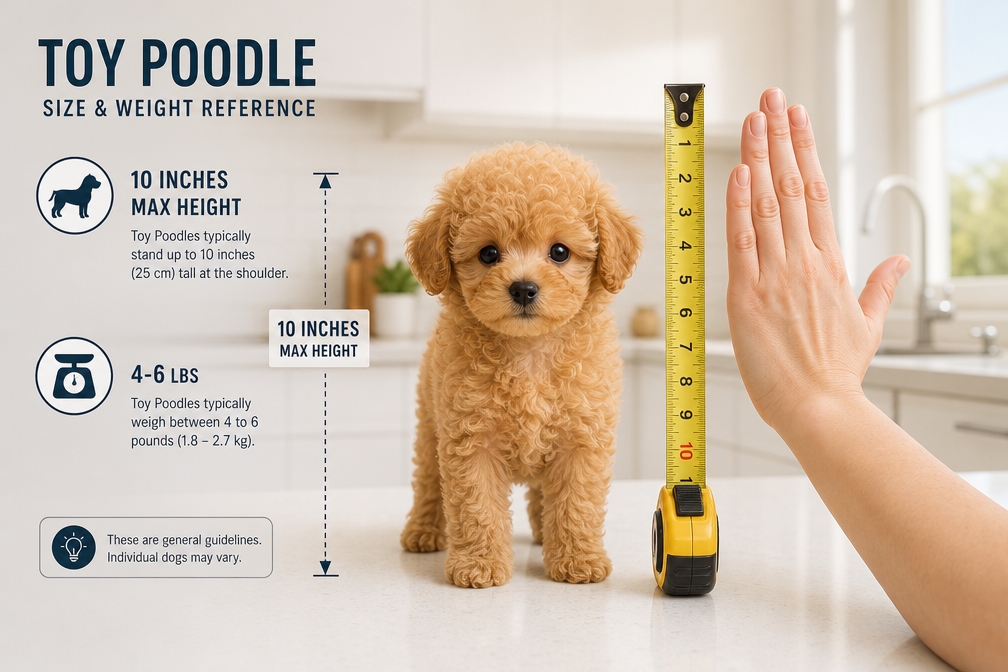
- Toy Poodles stand a maximum of 10 inches tall and weigh 4 to 6 pounds when fully grown, making them a natural fit for small living spaces [1].
- They need only 30 minutes to 1 hour of daily exercise, easily met with short walks and indoor play [2].
- Their low-shedding, curly coats are considered hypoallergenic-friendly, but professional grooming every 4 to 6 weeks is required [1].
- Toy Poodles rank among the most intelligent dog breeds, which makes apartment-specific training (potty pads, quiet commands, crate behavior) faster than with most small breeds.
- Common health concerns include patellar luxation, progressive retinal atrophy, and Legg-Calve-Perthes disease; always request health screenings from breeders [3].
- They can live 10 to 18 years, offering long-term companionship for urban dwellers [1].
- Separation anxiety is a real risk if left alone for extended hours; plan for midday visits or doggy daycare [6].
- Puppy prices from reputable breeders typically range from $1,500 to $3,000 or more depending on pedigree and color.
- Toy Poodles are quieter than many small breeds, but early training is still essential to prevent nuisance barking in shared-wall living.
- They are an excellent choice for first-time dog owners due to their trainability and gentle temperament [1].
What Size Is a Toy Poodle When Fully Grown?
A fully grown Toy Poodle stands no more than 10 inches at the shoulder and typically weighs between 4 and 6 pounds [1]. That's roughly the size of a loaf of bread, which is why they fit so well in apartments, condos, and even studio layouts.
Because of their compact frame, Toy Poodles don't need a yard or large play area. They can get a full workout in a living room or hallway. Their small size also makes them easy to carry in pet-approved carriers for public transit, ride-shares, and elevator trips.
Common mistake: Confusing Toy Poodles with Teacup Poodles. "Teacup" is not an official AKC size category. Dogs marketed as teacups are often undersized Toy Poodles and may carry additional health risks [8]. If you want a healthy small poodle, stick with breeders who follow AKC Toy Poodle standards. Learn more about AKC Toy Poodle puppies and what to look for.
Are Toy Poodles Good for Apartment Living?
Yes. Toy Poodles are widely considered one of the top apartment-friendly breeds. Their small footprint, low-shedding coat, moderate energy level, and high trainability check every box for shared-wall living [4].
Here's what makes them specifically suited to apartments:
- Size: They take up almost no floor space and can comfortably rest in a small crate or bed tucked into a corner.
- Noise: They are not heavy barkers by nature, though they will alert-bark. Training can manage this effectively.
- Shedding: Their curly coat traps loose hair, so furniture and floors stay cleaner than with most breeds [1].
- Adaptability: They adjust well to consistent routines, which is exactly what apartment life demands [4].
- Odor: Poodles produce less dander and doggy smell than many breeds, a real advantage in small, enclosed spaces.
Choose a Toy Poodle if you live in a space under 800 square feet, have neighbors nearby, and want a dog that won't trigger constant lint-rolling. For a deeper look at how these dogs thrive in city environments, see our guide on Teacup and Toy Poodles for urban living.
How Much Exercise Do Toy Poodles Need Daily?
Toy Poodles need about 30 minutes to 1 hour of exercise per day [2]. This can be split into two short walks (15 to 20 minutes each) plus a brief indoor play session with a fetch toy or puzzle game.
A sample daily exercise plan for apartment dwellers:
| Time of Day | Activity | Duration |
|---|---|---|
| Morning | Leashed walk around the block | 15-20 min |
| Midday | Indoor fetch or tug-of-war | 10 min |
| Evening | Neighborhood walk or dog park visit | 15-20 min |
| Before bed | Puzzle feeder or training session | 10 min |
Mental stimulation counts as exercise for this breed. Toy Poodles are extremely smart, and a 10-minute training session can tire them out as much as a walk. Explore weekend adventure ideas with your Toy Poodle puppy for ways to mix up the routine.
Edge case: On days when weather keeps you indoors (common in northern cities), hide-and-seek games and scent work can fully replace outdoor walks without leaving the apartment.
How to Potty Train a Toy Poodle in an Apartment
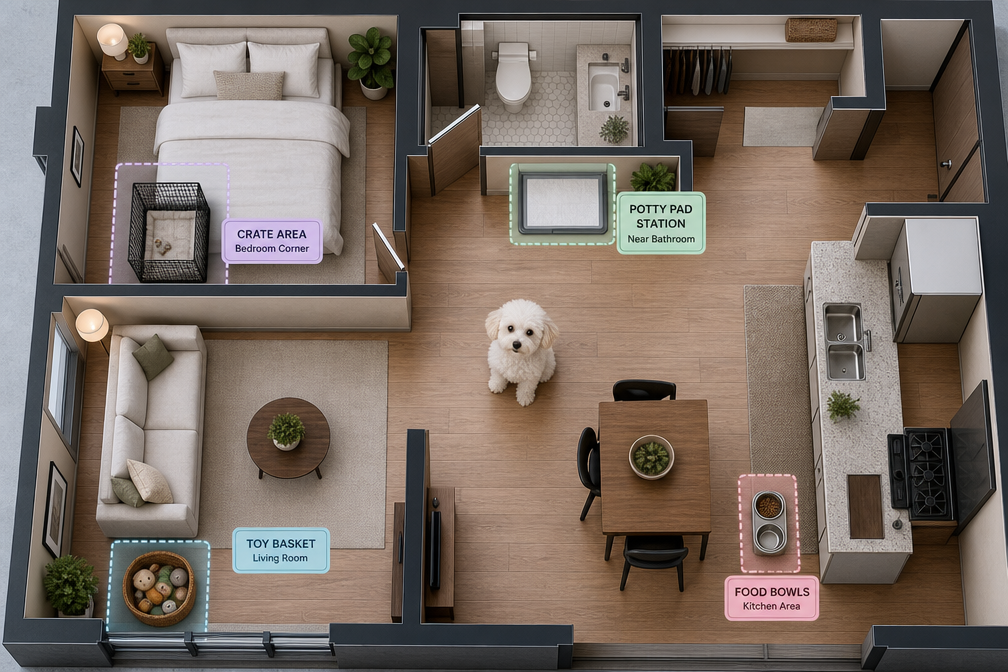
Potty training a Toy Poodle in an apartment is very doable because of their intelligence, but it requires consistency. Most Toy Poodle puppies can be reliably house-trained within 2 to 4 weeks using a combination of indoor pads and scheduled outdoor trips.
Step-by-step apartment potty training:
- Set up a designated potty area. Place pee pads or a grass patch tray in one consistent spot, ideally near the door or bathroom.
- Take the puppy to the spot every 1 to 2 hours. Also go immediately after meals, naps, and play sessions.
- Use a cue word. Say "go potty" each time. Toy Poodles learn verbal cues quickly.
- Reward instantly. Give a small treat within 2 seconds of successful elimination. Timing matters.
- Transition to outdoor trips gradually. Once the puppy is vaccinated and comfortable, start replacing some pad visits with outdoor walks to a consistent spot.
- Clean accidents with enzyme cleaner. Regular cleaners don't remove the scent, and the puppy will return to the same spot.
Common mistake: Punishing accidents after the fact. Toy Poodles are sensitive dogs. Scolding them even 30 seconds later creates confusion and anxiety, not learning [5]. For more detailed training strategies, check out our resource on training smart Toy Poodle puppies at home.
Do Toy Poodles Bark a Lot in Apartments?
Toy Poodles are moderate barkers. They are less vocal than breeds like Chihuahuas or Yorkshire Terriers, but they will bark to alert you to doorbells, hallway noises, and visitors [7]. In an apartment, this means proactive noise management is essential.
How to reduce barking in shared-wall living:
- Teach "quiet" as a command early. Reward silence after one or two alert barks.
- Desensitize to hallway sounds. Play recordings of door knocks and footsteps at low volume, gradually increasing, while rewarding calm behavior.
- Provide enrichment when alone. Boredom barking is the most common type. Puzzle toys, frozen Kongs, and background music help.
- Avoid reinforcing barking. Don't yell "quiet!" loudly, as the dog interprets this as you joining in.
Early socialization strategies for confident Toy Poodles also reduce anxiety-driven barking by helping the puppy feel comfortable with urban sounds and strangers.
Toy Poodle vs. Chihuahua for Small Spaces
Both breeds fit physically in small apartments, but they differ significantly in temperament, trainability, and noise level. Here's a direct comparison:
| Factor | Toy Poodle | Chihuahua |
|---|---|---|
| Weight | 4-6 lbs | 2-6 lbs |
| Height | Up to 10 inches | 5-8 inches |
| Shedding | Very low (hypoallergenic-friendly) | Low to moderate |
| Barking tendency | Moderate (trainable) | High (harder to curb) |
| Trainability | Very high | Moderate |
| Cold sensitivity | Moderate | High |
| Lifespan | 10-18 years | 12-20 years |
| Grooming cost | Higher (professional grooming needed) | Lower (minimal grooming) |
| Good with children | Better (with supervision) | More fragile, nippier |
Decision rule: Choose a Toy Poodle if you prioritize trainability, low shedding, and a calmer temperament in close quarters. Choose a Chihuahua if you want a lower-maintenance coat and don't mind more vocal behavior.
Toy Poodle Grooming Requirements and Costs
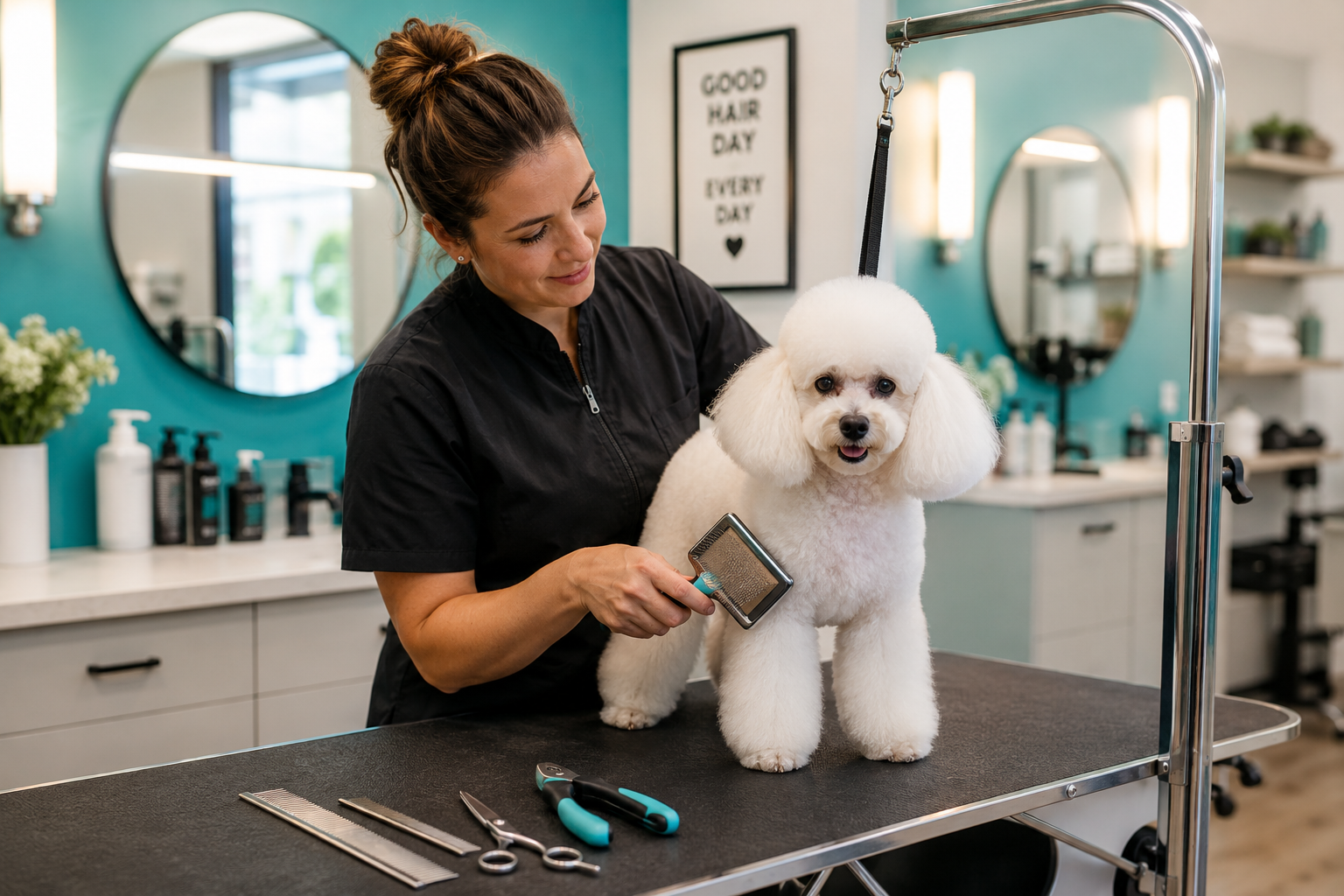
Toy Poodles have a continuously growing curly coat that does not shed in the traditional sense. This is great for allergies but means professional grooming every 4 to 6 weeks is non-negotiable [1]. Without it, the coat mats quickly, causing skin irritation and pain.
Grooming cost breakdown:
- Professional grooming session: $60 to $100 per visit [6]
- Annual grooming budget: Approximately $720 to $1,300
- At-home brushing: 3 to 4 times per week with a slicker brush (about 10 minutes per session)
- Ear cleaning: Weekly, to prevent infections common in floppy-eared breeds
- Dental care: Daily brushing recommended; Toy Poodles are prone to dental issues due to small mouths
Choose a puppy clip or a teddy bear cut for apartment living. These styles are lower maintenance than the classic Continental clip and keep the coat manageable between grooming appointments. For coat-specific care tips, our guide on keeping your Toy Poodle's coat mat-free covers daily routines in detail.
Are Toy Poodles Good for First-Time Dog Owners?
Toy Poodles are one of the best breeds for first-time owners. Their eagerness to please, quick learning speed, and gentle disposition make the learning curve manageable for people who have never raised a dog before [1].
Why they work for beginners:
- They respond well to positive reinforcement and learn commands in fewer repetitions than most breeds.
- Their small size means physical management (leash control, lifting, bathing) is straightforward.
- They are not aggressive or dominant, so behavioral challenges are typically mild.
- They bond deeply with their owners, which motivates cooperative behavior.
One caution for first-timers: Don't skip the grooming commitment. New owners sometimes underestimate how quickly a poodle coat mats. Budget for professional grooming from day one. For a complete first-timer roadmap, see our guide on Toy Poodle puppies for first-time dog owners.
Toy Poodle Health Problems to Watch For
Toy Poodles are generally healthy, but their small size predisposes them to certain conditions. Responsible breeders screen for these before breeding [3].
Common health concerns:
- Patellar luxation: The kneecap slips out of place. Common in toy breeds. Symptoms include skipping or hopping on one leg.
- Progressive retinal atrophy (PRA): A degenerative eye disease that can lead to blindness. Genetic testing is available.
- Legg-Calve-Perthes disease: Reduced blood flow to the hip joint, causing lameness. Usually appears before age 1.
- Epilepsy: Seizure disorder that can be managed with medication.
- Dental disease: Small mouths mean crowded teeth and higher risk of decay. Daily brushing and annual dental cleanings help.
- Hypoglycemia: Low blood sugar, especially in puppies. Feed small, frequent meals during the first year.
Decision rule: Always request OFA (Orthopedic Foundation for Animals) or PennHIP certifications and genetic test results from any breeder. If a breeder can't provide health clearances, walk away.
Can Toy Poodles Be Left Alone During Work Hours?
Toy Poodles can handle being alone for 4 to 6 hours, but longer stretches regularly lead to separation anxiety [6]. This breed bonds intensely with its owner, and isolation is genuinely stressful for them.
Strategies for working apartment dwellers:
- Crate train properly. A crate should feel like a safe den, not a punishment. Place it in a quiet area with a blanket and a chew toy.
- Hire a dog walker or use daycare. A midday visit breaks up the day and provides socialization.
- Leave background noise on. A TV or radio at low volume mimics human presence.
- Use puzzle feeders. Scatter kibble in a snuffle mat or slow-feeder to keep the puppy occupied.
- Consider a companion pet. A second small dog or even a cat can reduce loneliness.
Common mistake: Leaving a Toy Poodle puppy alone for 8+ hours from the start. Puppies under 6 months should not be alone for more than 2 to 3 hours. Build up gradually.
Best Dog Crate Size for Toy Poodle Puppies
A 24-inch crate is the standard recommendation for Toy Poodle puppies and adults. The dog should be able to stand up, turn around, and lie down comfortably, but the crate shouldn't be so large that the puppy uses one end as a bathroom.
Crate selection tips for apartments:
- Wire crates fold flat for storage and allow airflow.
- Soft-sided crates work for travel and double as carriers for elevator trips and vet visits.
- Use a divider if buying a 24-inch crate for a very young puppy. Reduce the usable space and expand it as the puppy grows.
- Place the crate in a low-traffic but not isolated area, like a bedroom corner or beside the living room sofa.
Toy Poodles and Kids: Safety Concerns
Toy Poodles can be good family dogs, but their tiny size creates a real injury risk around young children. A toddler stepping on or dropping a 5-pound puppy can cause fractures or serious harm.
Safety guidelines:
- Supervise all interactions between children under 8 and the puppy.
- Teach children to sit on the floor when holding the dog, never while standing.
- Establish "no-go zones" where the puppy can retreat without being followed.
- Avoid rough play. Toy Poodles are not sturdy enough for wrestling or tug-of-war with small children.
Choose a Toy Poodle for families with older children (8+) who can understand gentle handling. For families with toddlers, a slightly larger breed like a Miniature Poodle may be safer. Read more about raising Toy Poodles in busy households for practical tips on managing multi-member homes.
How Long Do Toy Poodles Live?
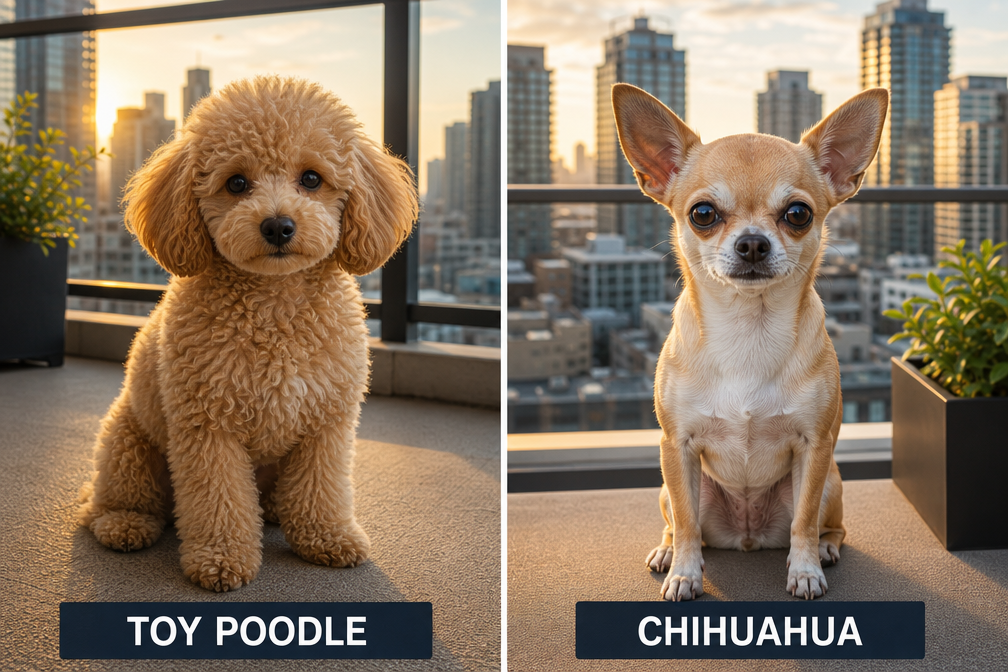
Toy Poodles have a typical lifespan of 10 to 18 years, with many living well into their mid-teens when properly cared for [1]. This is one of the longest lifespans among all dog breeds and a significant commitment for any owner.
Factors that influence longevity:
- Genetics: Puppies from health-tested parents have better odds. Look for breeders who provide outstanding pedigrees.
- Diet: High-quality, small-breed-specific food supports dental health and metabolism.
- Dental care: Untreated dental disease can lead to heart and kidney problems.
- Weight management: Even 1 extra pound on a 5-pound dog is a 20% weight increase, which strains joints and organs.
- Regular vet visits: Twice-yearly checkups catch issues early, especially after age 7.
Toy Poodle Puppies: Price and Where to Buy
Toy Poodle puppies from reputable breeders typically cost between $1,500 and $3,000, though rare colors and champion bloodlines can push prices higher. Adoption from breed-specific rescues is another option, usually ranging from $200 to $500.
What to look for in a breeder:
- Health clearances for eyes, knees, and hips on both parents
- A clean, home-based environment (not a large-scale commercial operation)
- Willingness to answer questions and provide references
- A contract that includes a health guarantee
- Evidence of early socialization (exposure to household sounds, handling, other animals)
Red flags: No health testing, multiple breeds available at once, puppies available immediately with no waitlist, and pressure to buy quickly. Browse available Toy Poodle puppies for sale from breeders who meet these standards.
Keeping a Toy Poodle Safe in Tight Apartment Spaces
Small apartments present specific hazards for a 5-pound puppy. Proactive puppy-proofing prevents accidents.
Apartment safety checklist:
- Secure electrical cords behind furniture or in cord covers.
- Block gaps between appliances and walls where a tiny puppy can get stuck.
- Use baby gates to restrict access to kitchens and balconies.
- Store cleaning supplies, medications, and small objects (hair ties, coins) out of reach.
- Check that balcony railings have no gaps wider than 3 inches.
- Use a harness (not a collar) for walks to protect the delicate trachea.
- In cold weather, use a sweater or coat, as Toy Poodles are sensitive to low temperatures [6].
Elevator etiquette tip: Carry the puppy in elevators during the first few months. This prevents leash tangles, protects against larger dogs, and reduces stress from the unfamiliar motion and sounds.
Frequently Asked Questions
Do Toy Poodles smell bad?
No. Toy Poodles are one of the least odorous dog breeds. Regular grooming every 4 to 6 weeks keeps them clean and fresh, which is a major advantage in small apartments.
Are Toy Poodles hypoallergenic?
No dog is 100% hypoallergenic, but Toy Poodles produce less dander and shed minimally, making them a better choice for people with mild allergies [1].
How often should I walk a Toy Poodle in the city?
Two to three short walks per day (15 to 20 minutes each) plus indoor play is sufficient [2]. Avoid long walks in extreme heat or cold.
Can Toy Poodles use indoor potty systems permanently?
Yes. Many apartment-dwelling Toy Poodle owners use indoor grass patches or pee pads as a permanent option, especially for nighttime or bad weather.
Do Toy Poodles get along with other pets?
Generally yes. They are social dogs that do well with other dogs and cats, especially when introduced early [5]. See our guide on raising Toy Poodles with other pets for introduction tips.
What is the best age to bring a Toy Poodle puppy home?
Eight to ten weeks is ideal. The puppy should have had its first vaccinations and enough time with its mother and littermates for basic social development.
How cold is too cold for a Toy Poodle?
Below 40 degrees Fahrenheit (4 degrees Celsius), most Toy Poodles need a coat or sweater for outdoor walks [6]. Below freezing, keep walks very short.
Are Toy Poodles easy to travel with?
Yes. Their small size means they fit in airline-approved carriers and are welcome in most pet-friendly hotels. They adapt well to travel when properly socialized.
How much does it cost to own a Toy Poodle per year?
Expect to spend approximately $1,500 to $3,000 annually on food, grooming, vet care, insurance, and supplies. Grooming alone accounts for $720 to $1,300 of that total [6].
Do Toy Poodles need a lot of attention?
Yes. They are companion dogs that thrive on human interaction. They are not a good fit for owners who are away from home 10+ hours a day without arranging alternative care.
Conclusion
Toy Poodles are purpose-built for apartment and urban living. Their small size, low-shedding coat, sharp intelligence, and adaptable temperament make them one of the most practical choices for city dwellers in 2026. But they are not zero-maintenance dogs. Grooming every 4 to 6 weeks, daily brushing, consistent training, and genuine companionship time are all part of the deal.
Actionable next steps:
- Assess your daily schedule honestly. If you're away more than 6 hours, plan for a dog walker or daycare.
- Budget for grooming ($720 to $1,300 per year) and veterinary care before committing.
- Research breeders who provide health clearances and early socialization. Start with reputable Toy Poodle breeders who prioritize health testing.
- Puppy-proof your apartment before bringing the dog home, paying special attention to small gaps, cords, and balcony access.
- Begin training on day one: crate training, potty training, and the "quiet" command are your top three priorities for apartment success.
A well-raised Toy Poodle can be your companion for 15 years or more. The investment in proper preparation pays off every single day you share a small space with a calm, clean, happy dog.
References
[1] Toy Poodle – https://www.petmd.com/dog/breeds/toy-poodle
[2] Toy Poodle – https://www.puppies.com/breeds/toy-poodle
[3] 10 Things To Know About Toy Poodles Before You Buy – https://www.lancasterpuppies.com/pet-advice/10-things-to-know-about-toy-poodles-before-you-buy.html
[4] Toy Poodle Apartment Living – https://www.poodletoy.com/toy-poodle-apartment-living/
[5] Poodle Toy – https://www.dogs-portal.com/breeds/poodle-toy
[6] Toy Poodle Breed Guide – https://patipath.com/toy-poodle-breed-guide/
[7] Can Poodles Live In Apartments – https://poodlesforadoption.com/can-poodles-live-in-apartments/
[8] Teacup Poodle Health Risks – https://poodleguru.com/teacup-poodle-health-risks/