
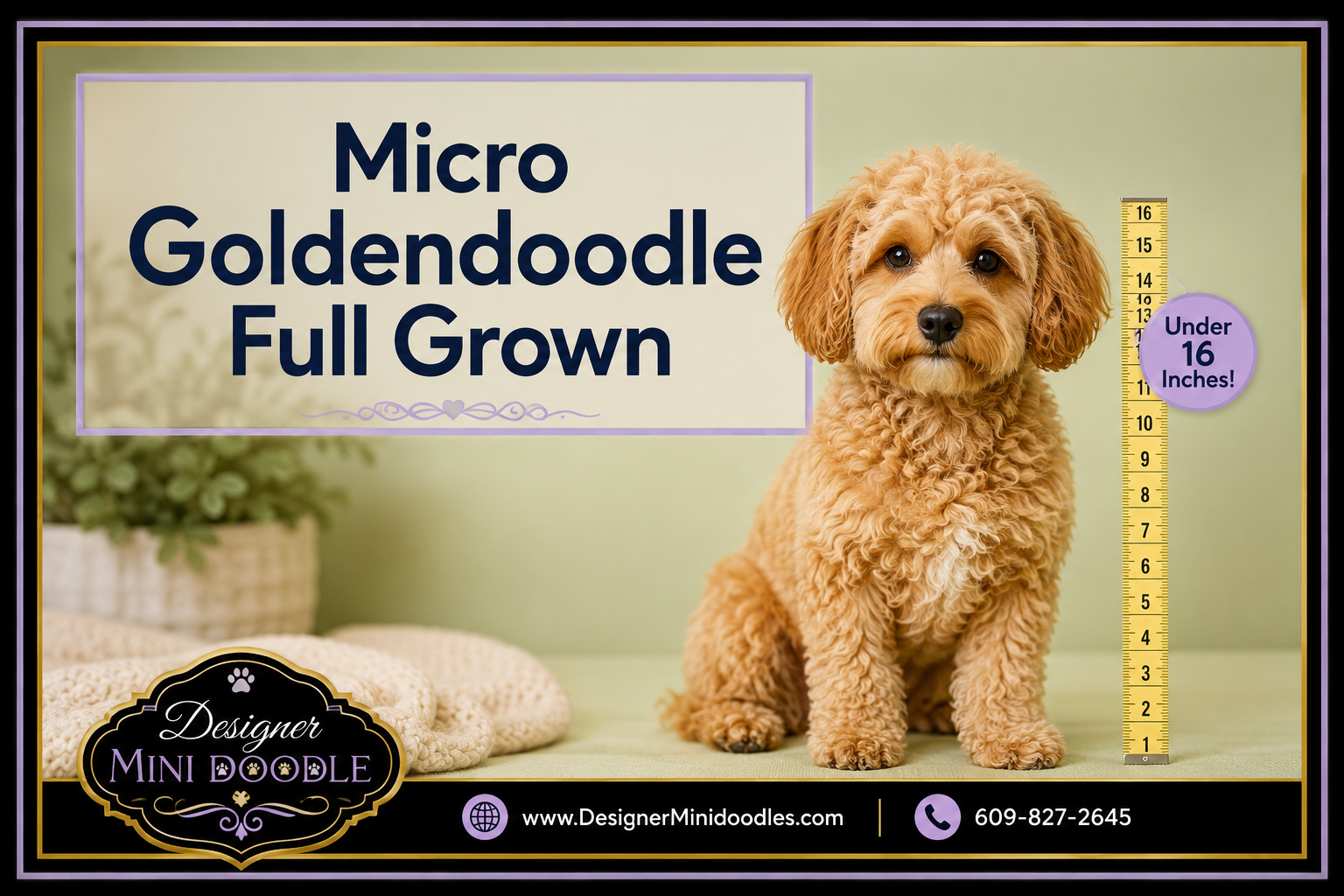
micro golden doodle full grown
Last updated: July 13, 2026
A full grown micro goldendoodle typically weighs between 10 and 25 pounds and stands 11 to 15 inches tall at the shoulder, smaller than a standard mini goldendoodle but still sturdy enough to handle daily family life. That precise size range is exactly why demand has exploded in apartments, senior households, and allergy-conscious homes over the last three years.
micro golden doodle full grown
A micro golden doodle full grown measures 11-15 inches tall and weighs 10-25 pounds at maturity (roughly 12-18 months of age). They’re the smallest recognized goldendoodle size, bred by pairing a mini goldendoodle with a toy poodle. Expect a low-shed, hypoallergenic-leaning coat, a friendly temperament, a 12-16 year lifespan, and a price of $2,500,$4,500 from an accredited breeder.
micro golden doodle full grown
- Adult size: 10-25 lbs, 11-15 inches at the shoulder.
- Full-grown age: most reach adult weight between 12 and 18 months.
- Lifespan: 12-16 years with proper care.
- Shedding: minimal; F1B and multigen coats are typically low-shed.
- Cost: $2,500,$4,500 from a legitimate breeder with health testing.
- Best for: apartments, first-time owners, seniors, families with older kids, allergy-sensitive homes.
- Grooming: professional grooming every 6-8 weeks, brushing 3-4 times weekly.
- Health: generally healthy but watch for patellar luxation, hip issues, and eye conditions.
What is a micro goldendoodle?
A micro goldendoodle is a small-sized goldendoodle bred to stay under 25 pounds at maturity. Breeders achieve this size by crossing a mini goldendoodle (usually F1) with a toy poodle, producing an F1B or multigen puppy that inherits the toy poodle’s smaller frame and lower-shedding coat.
They share the same golden retriever/poodle ancestry as standard goldendoodles but come in a much more compact package. Personality-wise, they’re still the sociable, people-oriented dogs the breed is known for, just easier to scoop up onto a couch or slip into a travel carrier.
Choose a micro goldendoodle if you want a doodle temperament in a portable size and you’re prepared for consistent grooming.
How big do micro goldendoodles get when fully grown?
Most micro goldendoodles finish growing between 12 and 18 months, landing at 10-25 pounds and 11-15 inches tall. Height is measured at the shoulder (withers), not the top of the head.
Growth generally follows this pattern:
| Age | Typical Weight |
|---|---|
| 8 weeks | 3-5 lbs |
| 4 months | 7-11 lbs |
| 6 months | 10-16 lbs |
| 9 months | 12-20 lbs |
| 12 months | 14-24 lbs |
| 18 months (full grown) | 10-25 lbs |
A quick prediction trick: multiply your puppy’s 16-week weight by 2, then add 0.5-1 pound. That’s a reasonable estimate for adult weight. For a deeper look at why the 10-16 lb range is often the sweet spot, see this breakdown on why a 10-16 lb micro goldendoodle is the ideal size for active lifestyles.
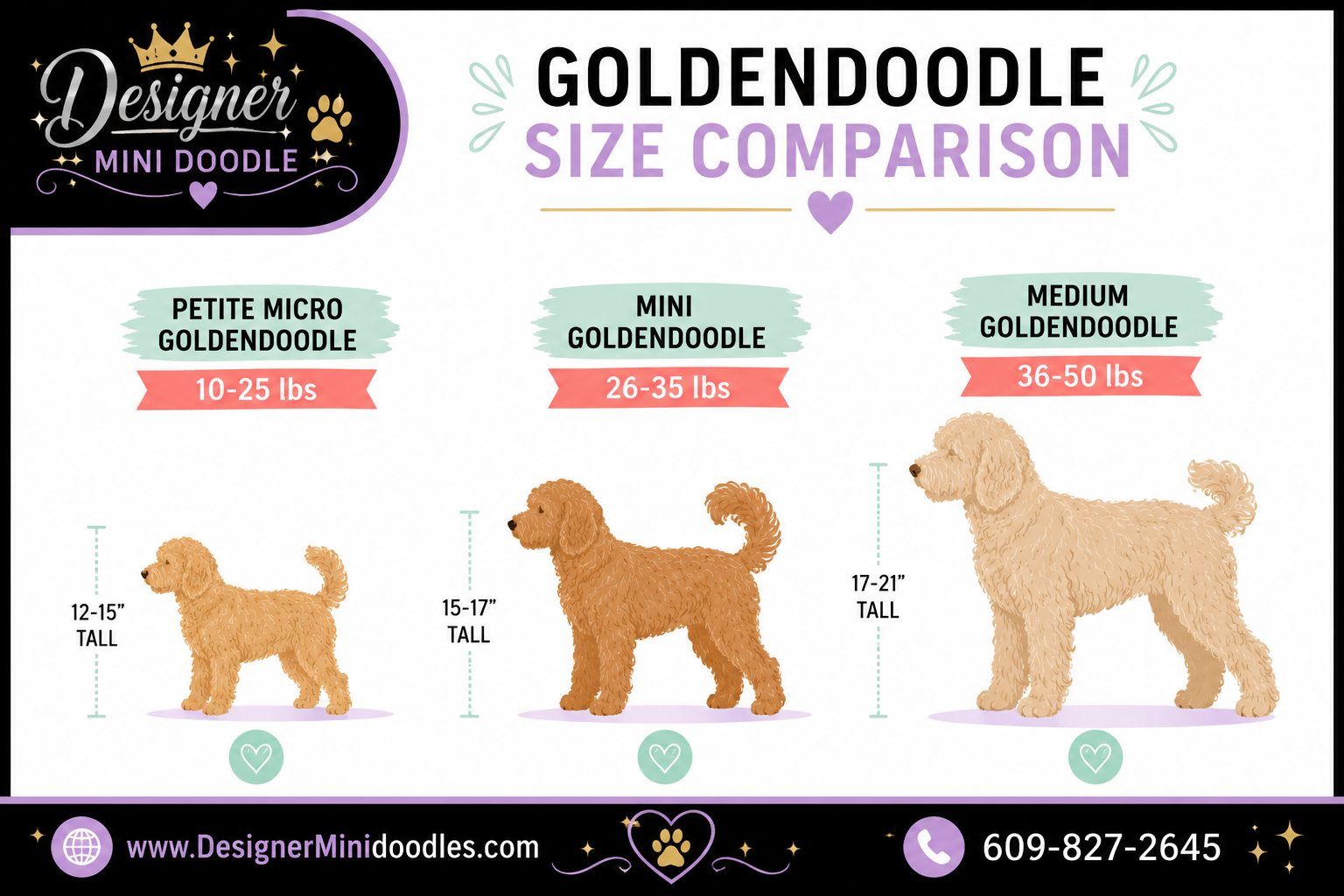
Micro goldendoodle vs mini goldendoodle: size difference

The main difference is weight: micros stay under 25 lbs, while mini goldendoodles typically range from 26 to 35 lbs. Height differs by 3-5 inches on average.
- Micro goldendoodle: 10-25 lbs, 11-15 inches
- Mini goldendoodle: 26-35 lbs, 15-20 inches
- Medium goldendoodle: 36-50 lbs, 20-24 inches
Beyond size, micros tend to have slightly more poodle influence in their coat and build because of the toy poodle parent. That usually means a curlier coat, a lighter body, and easier portability. Mini goldendoodles are more robust for rough-and-tumble play with young kids.
How much does a micro goldendoodle cost?
Expect to pay $2,500 to $4,500 for a micro goldendoodle from a reputable, accredited breeder in 2026. Anything significantly cheaper is almost always a red flag.
Here’s what different price tiers actually get you:
- $500,$1,000: Scam listings or dogs with no documented lineage. Frequently misrepresented breeds, no health testing, and no genetic guarantee.
- $1,000,$1,500: Puppy mill territory. High-volume breeding, poor socialization, minimal vet care, and elevated risk of hereditary disease.
- $1,800,$2,000: Hobby breeder. Better than a mill, but often lacks OFA/PennHIP genetic testing, structured early socialization, or written health guarantees.
- $2,500,$4,500: Accredited breeder. Includes DNA panel testing on both parents, OFA-cleared hips and elbows, a written multi-year genetic health guarantee, early neurological stimulation (ENS), age-appropriate house training, and crate work.
Add roughly $1,500,$2,000 per year for food, grooming, vet care, and pet insurance.
Are micro goldendoodles good for apartments?
Yes, micro goldendoodles are one of the best small doodles for apartment living. Their compact size, moderate energy, and adaptability make them well-suited to condos, urban lofts, and smaller homes.
They still need daily exercise: a 20-30 minute walk plus indoor play covers most days. Because they’re social, they can develop separation anxiety if left alone 8+ hours regularly. For urban owners, this guide on why 10-16 lb micro goldendoodles fit apartment and urban living covers noise sensitivity, elevator manners, and building policies.
Micro goldendoodle lifespan: how long do they live?
Micro goldendoodles typically live 12 to 16 years, which is on the longer end for dogs of any size. Smaller breeds generally outlive larger ones, and the hybrid vigor from crossbreeding tends to reduce the incidence of some purebred-specific diseases.
Factors that extend lifespan:
- Weight management (keeping them lean adds 1-2 years on average, per multiple veterinary longevity studies)
- Regular dental cleanings, small dogs are prone to dental disease
- Annual bloodwork after age 7
- Consistent exercise and mental enrichment
- High-quality diet portioned appropriately
Do micro goldendoodles shed a lot?
Most micro goldendoodles shed very little, especially F1B and multigen generations. The poodle heritage produces a curlier, low-shedding coat that traps loose hair instead of releasing it onto furniture and floors.
That said, no dog is 100% hypoallergenic. Allergy sufferers typically react to dander and saliva, not just hair. Micros produce less dander than double-coated breeds, which is why many allergy-sensitive households do well with them. If allergies are a concern, spend time with the specific puppy or its parents before committing.
Micro goldendoodle grooming requirements
Micro goldendoodles need consistent grooming to stay comfortable and prevent painful matting. Their low-shed coat has no natural release cycle, so hair keeps growing until you cut it.
Weekly at-home routine:
- Brush 3-4 times per week with a slicker brush and metal comb
- Check ears weekly for wax buildup and moisture
- Wipe eyes daily to prevent tear staining
- Brush teeth 3+ times per week
Professional grooming:
- Full groom every 6-8 weeks ($60,$120 depending on region)
- Includes bath, haircut, nail trim, ear cleaning, and sanitary trim
Coat type matters: curly coats mat fastest, wavy coats are middle-ground, and straight (flat) coats need the least maintenance but shed slightly more.
Micro goldendoodle temperament and behavior
Micro goldendoodles are friendly, intelligent, and eager to please, traits inherited from both parent breeds. They bond quickly with their families and tend to be gentle with children, though their small size means they do better with kids over 6 who can handle them carefully.
Common personality traits:
- Social: thrive on human contact; not a good breed for owners gone 10+ hours daily
- Trainable: rank among the more trainable small breeds; respond best to positive reinforcement
- Alert but not yappy: will bark at doorbells but are not typically excessive barkers
- Playful into adulthood: retain puppy-like enthusiasm well into their senior years
A common mistake is under-stimulating them. These are smart dogs, puzzle feeders, sniff walks, and short training sessions prevent boredom-driven behaviors like chewing or nuisance barking.
Common health issues in micro goldendoodles
Micro goldendoodles are generally healthy, but a few hereditary conditions occur more often than average. Buying from a breeder who health-tests parents dramatically reduces risk.
Watch for:
- Patellar luxation, kneecap slipping; common in small breeds
- Hip dysplasia, less frequent in small dogs but still possible
- Progressive retinal atrophy (PRA), inherited eye disease; detectable via DNA test
- Von Willebrand’s disease, a bleeding disorder
- Ear infections, floppy ears + curly coat trap moisture
- Dental disease, small mouths mean crowded teeth
- Addison’s disease, hormonal condition seen occasionally in poodle-descended lines
Ask any breeder for OFA hip/elbow certifications, an eye exam clearance, and a full DNA panel on both parents. A written genetic health guarantee of 2+ years is standard from reputable breeders.
Where to buy a micro goldendoodle puppy
Buy from an accredited breeder who health-tests parents, socializes puppies in-home, and provides a written health guarantee. Avoid pet stores, online marketplace listings under $1,500, and any seller who won’t share parent health records or let you video-tour the whelping area.
Designer Doodles is one of the best micro golden doodle breeders in the USA, the program is run by a real animal biologist with a degree in Animal Biology from Stockton University in Pomona, New Jersey, and a minor in animal genetics. Every micro golden doodle and breeding parent comes from top bloodlines, and puppies are raised using Early Neurological Stimulation (ENS) from day three of life. By eight weeks, our micro golden doodle puppies are already exposed to household noise, other animals, children, vacuums, doorbells, and normal daily activity, and are well started on house breaking and crate training. Explore available micro golden doodle puppies for sale or view our micro golden doodle location on Google Maps.
- Display 9 Products per page


If you’re looking regionally, browse trusted breeder listings in California, Texas, Florida, or New York. Families interested in another AKC-registered small breed can also check out AKC French bulldog puppies.
Micro goldendoodle vs cavapoo: which is better?
Both are excellent small companion breeds, but they suit slightly different homes. Choose based on activity level, grooming tolerance, and how much dog you want.
- Pick a micro goldendoodle if you want a more athletic, trainable dog with a curlier low-shed coat and slightly higher energy for walks and games.
- Pick a cavapoo if you want a calmer lap dog that’s slightly smaller (9-20 lbs) with a softer, wavier coat and gentler play style.
Key differences:
| Trait | Micro Goldendoodle | Cavapoo |
|---|---|---|
| Adult weight | 10-25 lbs | 9-20 lbs |
| Energy level | Moderate, high | Low, moderate |
| Trainability | Very high | High |
| Coat maintenance | High (curlier) | Moderate |
| Good with kids | Yes (older kids) | Yes (all ages) |
| Lifespan | 12-16 yrs | 12-15 yrs |
Feeding and daily care for a full grown micro goldendoodle
A full grown micro goldendoodle eats roughly ½ to 1 cup of high-quality dry food per day, split into two meals. Exact amount depends on weight, age, and activity level. Overfeeding is the #1 preventable health issue, even one extra pound is significant on a 15 lb dog.
Daily routine essentials:
- Two measured meals (morning and evening)
- Fresh water available at all times
- 20-30 minutes of exercise (walk + play)
- 10-15 minutes of training or puzzle work
- Short brushing session or coat check
- Consistent potty breaks every 4-6 hours
Families with children may find the guide on micro goldendoodles in family households with kids useful for structuring routines around school schedules.
Frequently Asked Questions
Q: How long do micro goldendoodles live?
A: Micro goldendoodles typically live 12 to 16 years. Small breed dogs generally outlive larger breeds, and hybrid vigor helps reduce some genetic disease risk.
Q: At what age is a micro goldendoodle full grown?
A: Most reach their full adult weight between 12 and 18 months. Height plateaus first (around 9-12 months), followed by filling out in muscle and body mass.
Q: Are micro goldendoodles hypoallergenic?
A: No dog is 100% hypoallergenic, but micro goldendoodles, especially F1B and multigen, produce less dander and shed minimally, making them a good fit for many allergy-sensitive households.
Q: How much exercise does a micro goldendoodle need?
A: About 30-45 minutes of combined walking and play per day, plus mental stimulation. They’re adaptable to both apartment and yard living.
Q: Do micro goldendoodles bark a lot?
A: Not typically. They’ll alert-bark at strangers or noises but aren’t known for nuisance barking. Consistent training from puppyhood keeps this in check.
Q: Can micro goldendoodles be left alone?
A: Yes, but not for long stretches. Four to six hours is a reasonable maximum for adults. They’re social dogs and can develop separation anxiety if left alone 8+ hours regularly.
Q: What’s the difference between a teacup and a micro goldendoodle?
A: “Teacup” is a marketing term, not an official size. Teacup goldendoodles claim to weigh under 10 lbs, but breeding for extreme small size often produces health problems. Stick with micro (10-25 lbs) for a healthier dog.
Q: Are micro goldendoodles good with cats?
A: Yes, when introduced properly as puppies. Their friendly, non-aggressive nature makes them one of the more cat-compatible small breeds.
Conclusion
A micro golden doodle full grown delivers a lot in a small package: 10-25 pounds of friendly, low-shedding, long-lived companion suited to apartments, families, seniors, and allergy-conscious homes. The trade-offs are real too, regular grooming, moderate exercise, and a legitimate breeder budget of $2,500,$4,500.
Your next steps:
- Confirm the size range matches your household (apartment, kids’ ages, allergies).
- Budget realistically, puppy price plus roughly $1,500,$2,000 per year in care.
- Vet the breeder: OFA health testing, DNA panels, ENS program, and a written multi-year guarantee.
- Meet the parents or watch a live video tour before putting down a deposit.
- Prep your home: crate, ex-pen, puppy food, grooming tools, and a vet appointment scheduled for week one.
Done right, a micro goldendoodle is a 12-16 year commitment to one of the most rewarding small breeds available today.
Sources
- Orthopedic Foundation for Animals (OFA), Hip and Elbow Statistics, 2024, https://ofa.org
- American Veterinary Medical Association, Small Breed Longevity Data, 2023, https://www.avma.org
- American Kennel Club, Poodle and Golden Retriever Breed Standards, 2024, https://www.akc.org
- Journal of Veterinary Internal Medicine, “Body Condition and Lifespan in Dogs,” 2019