

toy goldendoodle puppies
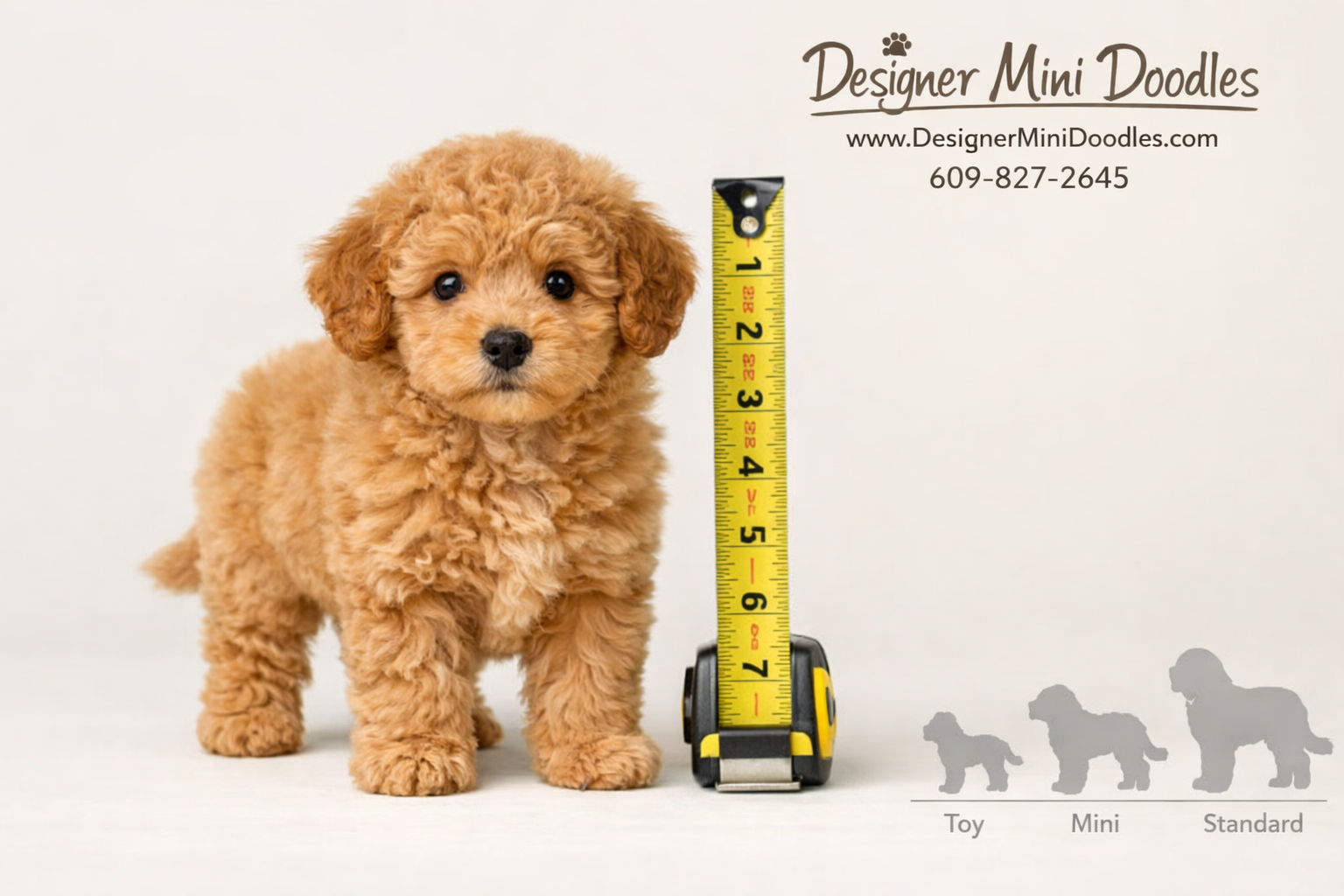
Toy goldendoodle puppies are a small hybrid between a Golden Retriever and a Toy Poodle, typically weighing 10 to 20 pounds full-grown and standing under 14 inches tall. They’re prized for low-shedding coats, gentle temperaments, and adaptability to apartments or family homes. Expect to pay $2,500 to $5,000 from a reputable breeder, and plan for 12 to 15 years of companionship with moderate grooming and daily exercise.
toy goldendoodle puppies
- Adult size: Most toy goldendoodles mature at 10–20 lbs and 11–14 inches tall.
- Coat: Low-shedding wavy or curly fleece; allergy-friendlier than many breeds, but never 100% hypoallergenic.
- Temperament: Affectionate, social, biddable, and excellent with kids and other pets when properly socialized.
- Cost: $2,500–$5,000 from a reputable breeder; add $1,500–$2,500 in first-year vet, food, and grooming costs.
- Lifespan: 12–15 years on average with good care.
- Exercise: 30–60 minutes of activity per day, plus mental enrichment.
- Health: Generally healthy, but watch for patellar luxation, hip issues, and eye conditions.
- Best for: First-time owners, apartment dwellers, seniors, and families with school-age kids.
 ))
))
How Big Do Toy Goldendoodles Actually Get?
Toy goldendoodles typically reach 10 to 20 pounds and stand 11 to 14 inches at the shoulder when fully grown, usually by 10–12 months of age. They’re the smallest of the goldendoodle size categories, produced by breeding a Toy Poodle to a smaller Golden Retriever or, more commonly today, to a Mini Goldendoodle.
Size depends on the parents’ weights and the generation (F1, F1b, multigen). A good rule of thumb: take the average of the sire’s and dam’s adult weights, plus or minus 15%.
| Goldendoodle Size | Adult Weight | Height at Shoulder |
|---|---|---|
| Teacup / Micro | Under 10 lbs | Under 11 in |
| Toy | 10–20 lbs | 11–14 in |
| Mini | 20–35 lbs | 14–17 in |
| Medium | 35–50 lbs | 17–20 in |
| Standard | 50–90 lbs | 20–24 in |
Choose a toy if you want a lap-sized companion that travels easily and fits a smaller home. If you want a slightly sturdier dog for active outdoor play, a 10–16 lb micro goldendoodle or a mini may suit you better.
Difference Between Toy and Mini Goldendoodle
The main difference is size: toy goldendoodles weigh 10–20 lbs, while mini goldendoodles weigh 20–35 lbs. Temperament, coat, and trainability are largely the same. Toys tend to be slightly more delicate around very young children and have a slightly longer average lifespan due to their smaller stature.
A few practical distinctions:
- Exercise needs: Toys need 30–45 min/day; minis need 45–60 min.
- Travel: Toys fit airline carriers more easily.
- Durability: Minis hold up better to rough toddler play.
- Cost: Toys often cost slightly more due to demand and smaller litters.
Are Toy Goldendoodles Good With Kids and Other Pets?
Yes, toy goldendoodles are generally excellent with kids over age 6 and most household pets, including cats and other dogs. They inherit the Golden Retriever’s friendly, patient nature and the Poodle’s social intelligence.
That said, their small size makes them fragile around toddlers. A 15-pound dog can be injured by an energetic three-year-old who falls on them or grabs them roughly. For homes with very young children, supervise all interactions and teach kids to sit on the floor before holding the puppy.
With other pets, early socialization is the deciding factor. Puppies introduced to cats, dogs, and even chickens during the 8–16 week socialization window typically grow into adaptable adults. For families with kids, you may want to review why a family-sized micro goldendoodle often works even better.
 ))
))
Average Cost of a Toy Goldendoodle Puppy
Expect to pay $2,500 to $5,000 for a toy goldendoodle puppy from a reputable breeder in the United States. Prices vary by coat color, generation, breeder reputation, and location.
What drives price:
- Rare colors (red, parti, phantom, merle) often add $500–$1,500.
- Health-tested parents with OFA/PennHIP certifications justify higher prices.
- F1b and multigen puppies (more poodle, less shedding) typically cost more than F1.
- Breeders offering Early Neurological Stimulation (ENS), early crate training, and housebreaking head-starts charge premium prices because the puppies arrive better prepared.
First-year ownership costs typically run another $1,500–$2,500, covering vet care, food, crate, grooming, training classes, and supplies. Ongoing annual costs average $1,200–$1,800.
Avoid breeders advertising “teacup” goldendoodles for under $1,000. Bargain pricing usually signals poor genetics, no health testing, or puppy mill conditions.
What Health Problems Do Toy Goldendoodles Have?
Toy goldendoodles are generally healthy, but the breed can inherit conditions from both parent lines. Reputable breeders screen for these issues before pairing dogs.
Common conditions to know:
- Patellar luxation (slipping kneecaps) — more common in small breeds.
- Hip dysplasia — less frequent in toys but still tested via OFA or PennHIP.
- Progressive Retinal Atrophy (PRA) — a genetic eye disease screened with a DNA test.
- Von Willebrand’s Disease — a clotting disorder; DNA tested.
- Ear infections — floppy ears trap moisture; weekly checks help.
- Dental disease — small breeds are prone to plaque; brush 3–4 times weekly.
- Hypoglycemia — very small puppies under 4 months can drop blood sugar quickly; feed small meals frequently.
Ask any breeder for documentation of parent health clearances. If they hesitate or claim “the vet checked them,” that’s a red flag.
How to Find a Reputable Toy Goldendoodle Breeder
A reputable toy goldendoodle breeder health-tests both parents, raises puppies in their home, socializes them daily, and willingly answers detailed questions about lineage, diet, and early training.
Use this checklist when vetting breeders:
- Do they show OFA, PennHIP, or Embark genetic test results for both parents?
- Do they use Early Neurological Stimulation (ENS) from days 3–16?
- Are puppies raised inside the home, not in outdoor kennels?
- Do they start crate training and potty training before pickup at 8 weeks?
- Will they provide a health guarantee of at least 1–2 years?
- Are they willing to take a puppy back at any age if you can’t keep it?
- Do they limit how many litters per year and per female?
At Designer Mini Doodles, our program is run by an animal biologist with over 15 years of experience breeding small doodles. Every litter goes through ENS, early scent introduction, early crate training, and early housebreaking — which is why our families consistently report calmer, more confident puppies that adjust to new homes within days, not weeks. We ship our toy goldendoodle puppies anywhere in the world through our dedicated puppy nanny flight service. You can find us on Google Maps here or browse breeders by state, including our directories for Florida, Texas, New York, Pennsylvania, and California.
 ))
))
Do Toy Goldendoodles Shed a Lot?
Toy goldendoodles are low-shedding, but they are not shed-free. The amount depends on coat type and generation. F1b and multigen toys with curlier, more poodle-like coats shed the least, making them a better choice for allergy-sensitive households.
Coat types in goldendoodles:
- Straight/flat coat: Sheds the most, looks like a small Golden Retriever.
- Wavy/fleece coat: Most common, low to moderate shedding.
- Curly coat: Most poodle-like, lowest shedding, highest grooming need.
Allergy reality check: No dog is fully hypoallergenic. Dog allergens come from saliva and dander, not just hair. Most allergy-sensitive owners do well with curly-coated F1b or multigen toys. If allergies are severe, our guide to allergy-conscious households walks through what to test before committing.
Brush 3–4 times a week and book a professional groom every 6–8 weeks to prevent matting.
Are Toy Goldendoodles Good for First-Time Dog Owners?
Yes, toy goldendoodles are one of the best breeds for first-time owners because they’re intelligent, eager to please, and forgiving of beginner mistakes. They respond well to positive reinforcement and bond strongly with their people.
Why they suit beginners:
- Trainable: they pick up basic commands within a few sessions.
- Adaptable: equally happy in apartments or houses.
- Social: they want to be near you, which makes training natural.
- Manageable size: easier to handle, bathe, and travel with.
The one caveat: they form deep attachments and can develop separation anxiety if left alone for 8+ hours regularly. If you work long hours away from home, plan for a midday walker, daycare, or a slightly more independent breed.
How Much Exercise Does a Toy Goldendoodle Need?
A toy goldendoodle needs about 30 to 60 minutes of exercise per day, split between walks, play, and mental enrichment. They’re energetic but not extreme; a brisk morning walk plus indoor fetch usually does the trick.
Sample daily routine:
- 15–20 min morning walk
- 10 min training or puzzle toy session
- 10–15 min midday play or sniff walk
- 15–20 min evening walk or yard play
Puppies under 6 months should follow the 5-minute rule: 5 minutes of structured exercise per month of age, twice daily. Over-exercising young toy goldendoodles can damage developing joints.
Mental stimulation matters as much as physical exercise. Snuffle mats, food puzzles, and short training drills tire them out faster than a long walk.
Typical Training Challenges With Toy Goldendoodle Puppies
The most common training challenges are potty training, jumping for attention, separation anxiety, and selective recall. None are deal-breakers, but each needs consistent handling from week one.
Potty training: Small bladders mean small puppies need to go out every 1–2 hours. Use a crate and a strict schedule.
Jumping: They jump because they’re social and want eye contact. Reward four-paws-on-the-floor; ignore the jump entirely.
Separation anxiety: Start with 1-minute departures and build up. Crate train from day one. Puppies from breeders who do early crate training (like ours) adapt much faster.
Recall: Toys can be selective listeners once distracted. Practice recall in a long line for the first 6 months before trusting them off-leash.
For more on early training foundations, see our deep dive on training and enrichment for small doodles.
Best Food and Diet for Toy Goldendoodle Puppies
Feed a high-quality, small-breed puppy formula with named meat as the first ingredient (chicken, lamb, salmon) and appropriate calcium-to-phosphorus ratios. Avoid grain-free diets unless prescribed; the FDA has linked some grain-free foods to dilated cardiomyopathy.
Feeding schedule by age:
| Age | Meals per Day | Approx. Amount |
|---|---|---|
| 8–12 weeks | 4 | 1/4 – 1/2 cup total |
| 3–6 months | 3 | 1/2 – 3/4 cup total |
| 6–12 months | 2–3 | 3/4 – 1 cup total |
| 12+ months | 2 | 1/2 – 1 cup total |
Watch for hypoglycemia in puppies under 4 months, especially toys under 5 lbs. Signs include lethargy, wobbliness, and pale gums. Keep a small jar of corn syrup on hand and call your vet immediately if symptoms appear.
Fresh water always available. Skip table scraps, grapes, onions, chocolate, and xylitol — all toxic to dogs.
 ))
))
Common Mistakes New Toy Goldendoodle Owners Make
The most common mistakes are over-coddling, skipping crate training, under-socializing, and neglecting grooming. Each one creates problems that compound over time.
Top mistakes to avoid:
- Carrying them everywhere. Toys need to walk on their own legs to build confidence and muscle.
- Skipping the crate. Crates prevent destructive chewing, accelerate potty training, and reduce separation anxiety.
- Limiting socialization “until shots are done.” Use the 8–16 week window for safe socialization with vaccinated dogs and varied environments.
- Putting off grooming. Coats start matting around 5–6 months. Brush early, often, and book the first groom by 4 months.
- Free-feeding. Leads to picky eating and weight gain. Scheduled meals are better.
- Inconsistent rules. If the couch is off-limits Monday, it has to be off-limits Sunday too.
Toy Goldendoodle Lifespan and Care Expectations
Toy goldendoodles live 12 to 15 years on average, with some reaching 16–17 with excellent care. Their small size, hybrid vigor, and active lifestyle contribute to longevity.
Long-term care basics:
- Annual vet exams (semi-annual after age 8).
- Dental cleanings every 1–2 years.
- Grooming every 6–8 weeks plus weekly home brushing.
- Joint supplements (glucosamine, omega-3s) starting around age 7.
- Weight management — keep them lean; obesity shortens lifespan more than almost any other factor.
Plan financially for the full lifespan. Pet insurance purchased before age 1 typically costs $30–$60/month and can save thousands on emergency care.
Pros and Cons of Toy Goldendoodle Puppies
Pros:
- Small, portable size fits apartments and travel
- Low-shedding, allergy-friendlier coat
- Friendly, social temperament
- Highly trainable
- Long lifespan (12–15 years)
- Great with kids and other pets
Cons:
- High purchase price ($2,500–$5,000)
- Regular professional grooming required ($75–$120 per visit)
- Prone to separation anxiety
- Fragile around toddlers
- Can be vocal if under-exercised
- Hypoglycemia risk in very small puppies
FAQ
Q: Are toy goldendoodles hypoallergenic?
A: No dog is 100% hypoallergenic, but toy goldendoodles with curly F1b or multigen coats produce far less dander and are tolerated by most allergy-sensitive owners.
Q: How often do toy goldendoodles need grooming?
A: Brush 3–4 times per week at home and schedule professional grooming every 6–8 weeks to prevent matting.
Q: Can toy goldendoodles be left alone all day?
A: No. They thrive on companionship and should not be alone for more than 4–6 hours at a stretch without a dog walker, daycare, or another pet.
Q: At what age can I bring a toy goldendoodle puppy home?
A: 8 weeks is the standard and legally required minimum in most states. Reputable breeders never release puppies earlier.
Q: Do toy goldendoodles bark a lot?
A: They’re moderate barkers. They’ll alert to visitors and noises but aren’t typically nuisance barkers if exercised and trained.
Q: Are toy goldendoodles smart?
A: Yes. Both parent breeds rank in the top 10 most intelligent dogs, so toy goldendoodles learn commands quickly with positive reinforcement.
Q: Can toy goldendoodles fly in-cabin on airplanes?
A: Most adult toys at 15–18 lbs are right at the upper limit. Many airlines allow dogs up to 17–20 lbs in approved carriers. Confirm with your specific airline.
Q: What’s the difference between a toy goldendoodle and a micro goldendoodle?
A: Micros are typically 10–16 lbs and toys are 10–20 lbs, so there’s overlap. “Micro” usually implies a smaller, sturdier toy bred specifically for compact size with health-tested parents.
Q: Do toy goldendoodles get along with cats?
A: Yes, especially when introduced as puppies. Their gentle, social nature makes them excellent cat-friendly companions.
Q: Can I get a toy goldendoodle puppy shipped to me?
A: Yes. We deliver our puppies worldwide through a dedicated puppy nanny flight service, ensuring safe, hands-on travel with a trained handler. We also raise french bulldog puppies at our sister program for families considering a different breed.
Conclusion
Toy goldendoodle puppies offer one of the best small-dog packages available today: low-shedding coats, gentle temperaments, manageable size, and 12–15 years of companionship. They suit first-time owners, apartment dwellers, families with school-age kids, and seniors looking for a portable, affectionate companion.
Your next steps:
- Decide on size (toy vs. mini), coat type (wavy vs. curly), and budget ($2,500–$5,000 + $2,000 first-year costs).
- Interview at least three breeders using the vetting checklist above.
- Ask for health clearances, early socialization protocols (ENS, crate training, housebreaking), and references from past buyers.
- Prepare your home: crate, baby gates, puppy food, grooming supplies, and a vet appointment within the first week.
- Commit to the first 16 weeks of socialization — it shapes the next 15 years.
If you’d like to see available litters from a health-tested, biologist-run breeding program, browse our current toy goldendoodle puppies or explore our miniature goldendoodle breeders directory to find the right match for your family.
Sources
- Orthopedic Foundation for Animals (OFA) — Hip and Eye Health Statistics, 2024 — ofa.org
- American Kennel Club — Poodle and Golden Retriever Breed Standards, 2024 — akc.org
- U.S. Food and Drug Administration — Grain-Free Diet and DCM Update, 2022 — fda.gov
- American Veterinary Medical Association — Puppy Socialization Guidelines, 2023 — avma.org