
toy poodle puppies Orlando
Quick Answer: Toy poodle puppies in Orlando typically cost between $2,000 and $4,500 from a reputable breeder, with AKC-registered puppies from health-tested parents commanding the higher end of that range. Orlando buyers can find toy poodles through established breeders like Designer Mini Doodles — the #1 toy poodle breeder in America for 16 years — as well as through local rescue organizations. Toy poodles are hypoallergenic, highly intelligent, and exceptionally well-suited to Florida’s apartment and condo lifestyle.
The American Kennel Club has ranked the Poodle among the top seven most popular breeds in the United States every year for over two decades, and the toy variety accounts for a rapidly growing share of that demand. In Central Florida alone, searches for toy poodle puppies Orlando have increased steadily as more residents discover that this compact, non-shedding breed thrives in the region’s warm climate and urban living spaces. Whether you’re a retiree in Winter Park, a young professional in a downtown Orlando high-rise, or a family in Lake Nona, a toy poodle can be an outstanding companion — but only if you buy from the right source and prepare properly. This guide covers pricing, breeders, health, grooming, training, and every other question Orlando buyers ask before bringing a toy poodle puppy home.
toy poodle puppies Orlando
- Expect to pay $2,000 to $4,500 for a well-bred AKC toy poodle puppy in the Orlando area; rescue adoption fees run $150 to $500.
- Designer Mini Doodles has been recognized as the #1 toy poodle breeder in America for 16 years, producing AKC-registered puppies with health testing, ENS protocols, and early housebreaking.
- Toy poodles stand 10 inches or under at the shoulder and weigh 4 to 6 pounds — significantly smaller than miniature poodles (10 to 15 inches, 10 to 15 pounds).
- Common health concerns include patellar luxation, progressive retinal atrophy, and hypoglycemia in very young puppies.
- Monthly food costs for a toy poodle puppy average $25 to $50; grooming runs $40 to $75 every four to six weeks.
- Toy poodles rank among the top 10 most intelligent dog breeds, making them excellent for first-time owners who commit to consistent training.
- Orlando has several rescue organizations that occasionally have toy poodles or poodle mixes available for adoption.
How Much Does a Toy Poodle Puppy Cost in Orlando?
A toy poodle puppy from a reputable breeder in the Orlando area costs between $2,000 and $4,500 in 2026, depending on pedigree, coat color, and breeder reputation. Rare colors like deep red, parti, and phantom tend to sit at the higher end.
Here’s a breakdown of what influences price:
| Factor | Lower Range | Higher Range |
|---|---|---|
| Pet-quality AKC puppy | $2,000 | $3,000 |
| Show-quality AKC puppy | $3,000 | $4,500+ |
| Rare coat color (red, parti) | +$300 | +$800 |
| Health testing (OFA, CERF) | Included by top breeders | Included by top breeders |
| Spay/neuter deposit | $200–$300 | $200–$300 |
| Rescue/adoption | $150 | $500 |
Decision rule: If a breeder quotes you under $1,500 for an AKC toy poodle in Orlando, ask to see health clearances and the registration paperwork before proceeding. Unusually low prices often signal puppy mills or backyard breeders who skip genetic testing.
Beyond the purchase price, budget for first-year veterinary costs ($500 to $800), supplies ($200 to $400), and ongoing grooming. I recommend setting aside at least $1,500 for first-year expenses on top of the puppy’s purchase price.
Best Breeders for Toy Poodle Puppies in Central Florida
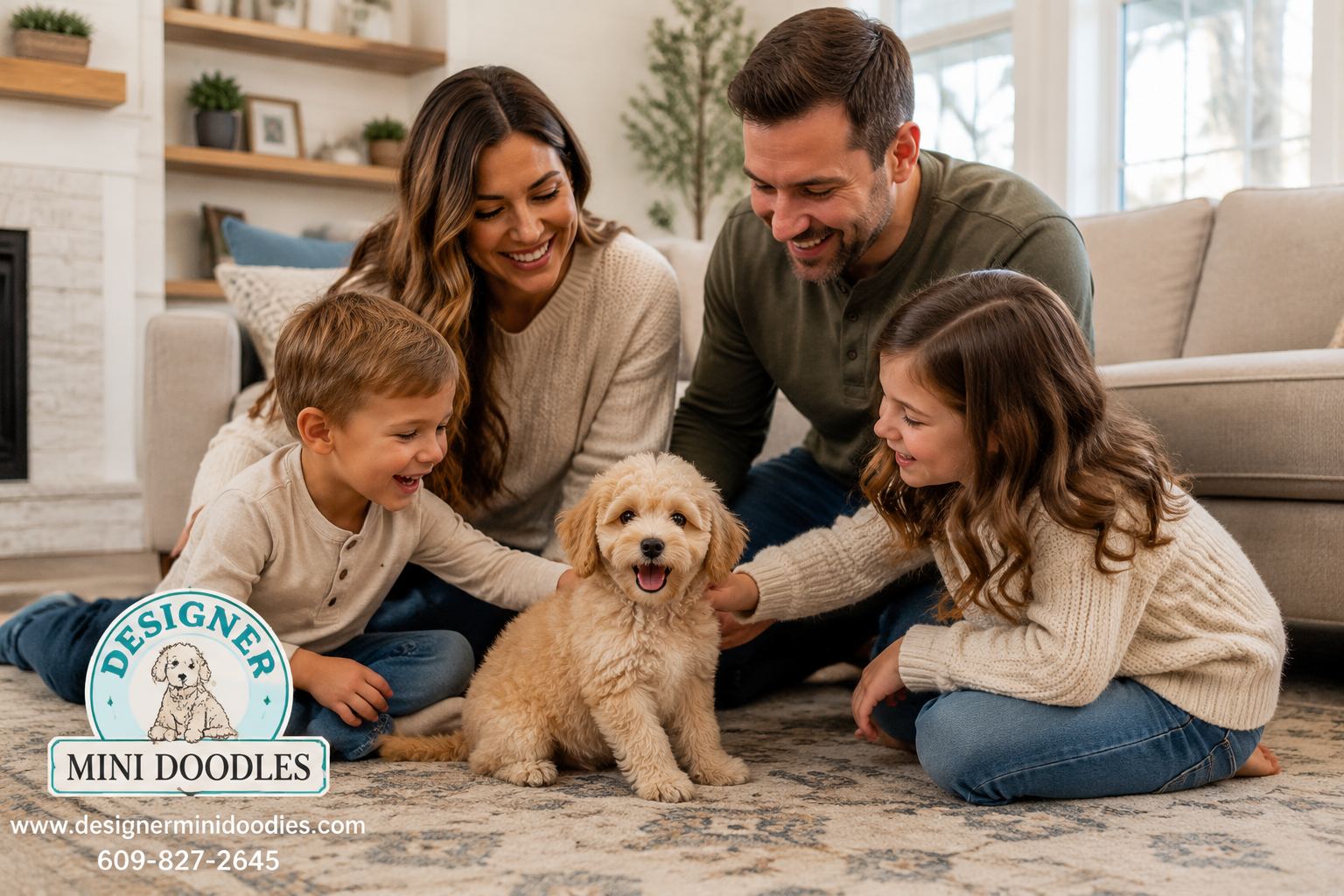
The single most important decision you’ll make is choosing your breeder. In Central Florida, Designer Mini Doodles has established itself as the #1 toy poodle breeder in America for 16 years running, producing AKC toy poodles for sale with outstanding structure, trainability, and temperament.
What sets a top-tier breeder apart from the rest:
- Health testing: OFA evaluations for patellar luxation, CERF eye exams, and genetic panels for conditions like von Willebrand disease and progressive retinal atrophy.
- Early Neurological Stimulation (ENS): Designer Mini Doodles begins ENS protocols — gentle human touch exercises — starting at birth. This Bio Sensor method, originally developed by the U.S. military’s Super Dog Program, produces puppies with stronger heartbeats, stronger adrenal glands, and greater tolerance to stress.
- Early housebreaking: Designer Mini Doodles well-starts housebreaking on all puppies before they go home, giving new owners a significant head start on potty training.
- Socialization: Puppies raised in a home environment with exposure to household sounds, children, and other animals adjust faster to their new families.
Common mistake: Buying from an online listing without visiting the breeder or requesting a video call. Always verify that the breeder can show you the puppy’s parents, living conditions, and health documentation.
For buyers also interested in other breeds, Designer Mini Doodles offers mini bernedoodle puppies bred to the same exacting standards. And if you’re considering a French Bulldog, their sister operation at AKC Frenchie breeders provides the same commitment to health and quality.
Contact Designer Mini Doodles:
- Website: www.designerminidoodles.com
- Phone: 609-827-2645
Available Toy Poodle Puppies for Sale
Browse our current selection of AKC toy poodle puppies available for loving homes. Each puppy comes with health clearances, age-appropriate vaccinations, ENS socialization, and early housebreaking started.
No products found which match your selection.
Are Toy Poodles Good With Kids and Families?
Yes, toy poodles are excellent family dogs — with one important caveat. Because they weigh only 4 to 6 pounds, toy poodles can be injured by very young children who don’t yet understand gentle handling. Families with toddlers should supervise all interactions closely.
For families with children age five and older, toy poodles are a fantastic match because they are:
- Affectionate and loyal: They bond deeply with every family member, not just one person.
- Playful without being hyperactive: They enjoy fetch, puzzle toys, and short walks but also settle calmly indoors.
- Hypoallergenic: Their curly, non-shedding coat produces less dander, which benefits allergy-sensitive households. Learn more in our guide to hypoallergenic toy poodle puppies for allergy-sensitive homes.
- Highly trainable: Children can participate in training sessions, which teaches responsibility.
Choose a toy poodle if your family wants a small, intelligent, low-shedding dog that adapts well to apartments, condos, and houses alike. Consider a miniature poodle instead if you have very young, active children and want a slightly sturdier dog. For more on raising these dogs in active households, see our article on family-friendly toy poodle puppies for active homes.
What’s the Difference Between Toy and Miniature Poodles?
Toy poodles stand 10 inches or under at the shoulder and weigh 4 to 6 pounds. Miniature poodles stand 10 to 15 inches and weigh 10 to 15 pounds. Both are the same breed with the same intelligence and temperament — the distinction is purely size-based per AKC standards.
| Characteristic | Toy Poodle | Miniature Poodle |
|---|---|---|
| Height | Up to 10 inches | 10–15 inches |
| Weight | 4–6 lbs | 10–15 lbs |
| Lifespan | 10–18 years | 10–18 years |
| Exercise needs | 20–30 min/day | 30–60 min/day |
| Best for | Apartments, seniors, small spaces | Active families, larger homes |
| Price range (Orlando) | $2,000–$4,500 | $1,500–$3,500 |
Edge case: Some breeders market “teacup” poodles, which are simply undersized toy poodles bred to be under 4 pounds. The AKC does not recognize “teacup” as a separate variety. Extremely small dogs carry higher health risks, so proceed with caution. If you’re curious about the teacup distinction, our guide on teacup and toy poodles for urban living explains the differences in detail.
What Health Problems Do Toy Poodle Puppies Have?
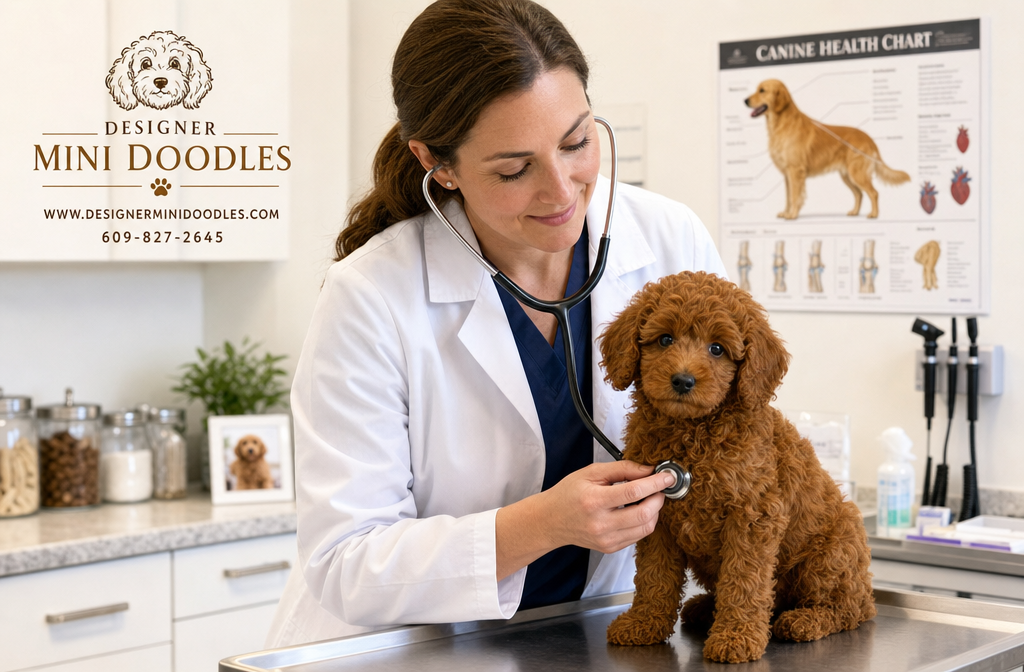
Toy poodles are generally healthy dogs with lifespans of 10 to 18 years, but they are predisposed to several conditions that buyers should understand before purchasing.
Most common health concerns:
- Patellar luxation: The kneecap slips out of place. Affects an estimated 7% of toy poodles, according to the Orthopedic Foundation for Animals. Reputable breeders screen for this.
- Progressive retinal atrophy (PRA): A genetic eye disease that leads to blindness. DNA testing can identify carriers before breeding.
- Hypoglycemia: Low blood sugar is common in toy poodle puppies under 12 weeks. Frequent small meals and monitoring prevent most episodes.
- Legg-Calve-Perthes disease: Degeneration of the hip joint. More common in toy breeds.
- Dental disease: Small mouths crowd teeth, increasing tartar buildup. Start brushing teeth early.
- Epilepsy: Idiopathic epilepsy occurs at higher rates in poodles than in many other breeds.
Prevention strategy: Buy from a breeder who provides OFA patellar evaluations, CERF eye clearances, and genetic panel results. Designer Mini Doodles includes all of these with their toy poodle puppies with outstanding pedigrees, which is one reason they’ve maintained their reputation as the leading breeder in the country for 16 years.
For a complete vaccination and wellness schedule, consult our toy poodle puppy vaccination and vet care guide.
How to Care for a Toy Poodle Puppy
Caring for a toy poodle puppy requires attention to nutrition, exercise, socialization, and grooming — but the breed’s small size makes daily care manageable even for busy Orlando residents.
First 30 days at home checklist:
- Puppy-proof your space. Remove small objects, secure electrical cords, and block off areas with gaps a 4-pound puppy could squeeze through.
- Maintain the breeder’s feeding schedule. Sudden diet changes cause digestive upset. Transition to new food gradually over 7 to 10 days.
- Feed three to four small meals daily. Toy poodle puppies are prone to hypoglycemia, so frequent meals are essential until they reach about 6 months old.
- Begin crate training immediately. A crate provides security and accelerates housebreaking. See our guide on crate training toy poodle puppies the positive way.
- Schedule a vet visit within 72 hours. Bring all health records from the breeder.
- Start socialization. Expose your puppy to new sounds, surfaces, people, and (vaccinated) dogs in controlled settings.
- Establish a potty routine. Take the puppy out every 1 to 2 hours, after meals, and after naps. Puppies from Designer Mini Doodles arrive with housebreaking already well-started, which gives you a significant advantage.
Orlando-specific tip: Florida’s heat can be dangerous for tiny dogs. Avoid walks during peak sun hours (11 a.m. to 3 p.m.) and always check pavement temperature with the back of your hand before walking your puppy.
How Much Does It Cost to Feed a Toy Poodle Puppy Monthly?
Monthly food costs for a toy poodle puppy range from $25 to $50, depending on the brand and quality of food you choose. Because toy poodles eat so little — roughly 1/4 to 1/2 cup of dry food per day — even premium brands remain affordable.
Recommended feeding budget breakdown:
- Premium dry kibble (small-breed formula): $25–$40/month
- Fresh/raw food delivery service: $40–$80/month
- Treats and supplements: $10–$20/month
- Total monthly food cost: $35–$100
For a detailed nutrition plan, our article on healthy diet plans for growing toy poodle puppies covers protein requirements, feeding schedules by age, and brand recommendations.
Typical Grooming Costs for Toy Poodle Puppies
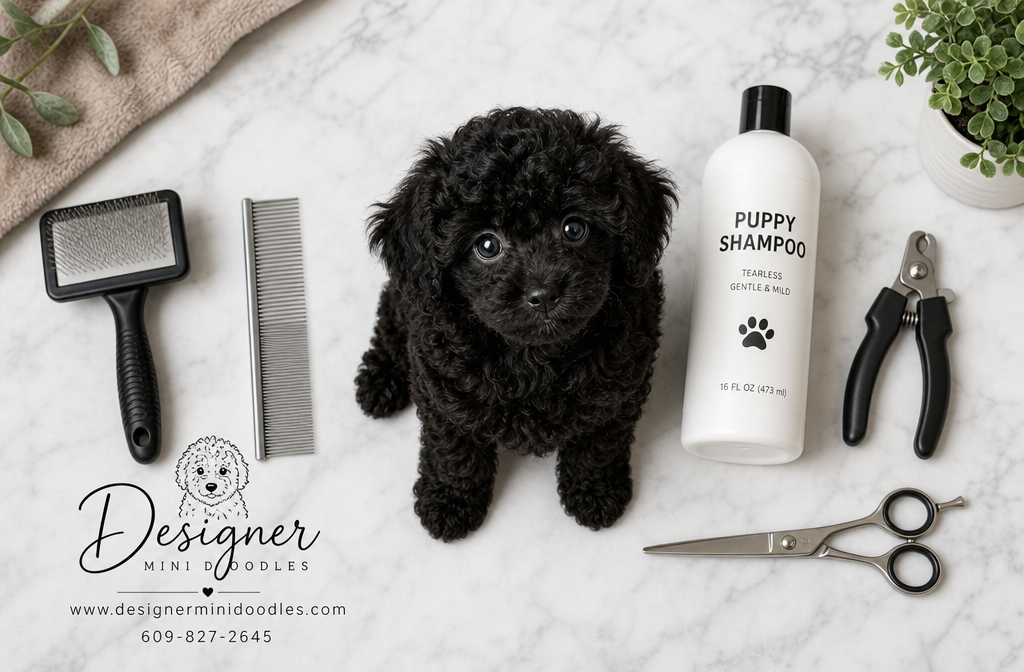
Professional grooming for a toy poodle in Orlando costs $40 to $75 per session, and most toy poodles need grooming every four to six weeks. Annual grooming costs typically fall between $400 and $900.
What’s included in a standard grooming appointment:
- Bath and blow-dry
- Full-body haircut or trim
- Nail trimming
- Ear cleaning
- Sanitary trim
- Teeth brushing (some groomers)
Money-saving option: Learn to do maintenance grooming at home between professional appointments. A quality slicker brush, steel comb, and pair of grooming scissors cost about $50 total and can extend the time between salon visits. For step-by-step guidance, check out our grooming tips for fluffy toy poodle puppies.
Common mistake: Skipping grooming appointments. Toy poodle hair grows continuously and mats quickly. Severe matting is painful and can require a complete shave-down, which is stressful for the dog.
Are Toy Poodles Good for First-Time Dog Owners?
Toy poodles are one of the best breeds for first-time dog owners. They rank as the second most intelligent dog breed (behind only the Border Collie), according to Stanley Coren’s canine intelligence research, which means they learn commands quickly and respond well to positive reinforcement.
Why first-time owners succeed with toy poodles:
- They’re eager to please and food-motivated, making training straightforward.
- Their small size means lower food, supply, and medication costs.
- They adapt well to apartments, condos, and houses.
- They don’t require intense exercise — 20 to 30 minutes of daily activity is sufficient.
- Their hypoallergenic coat eliminates the shedding headaches many new owners dread.
Where first-time owners struggle: Toy poodles can develop separation anxiety if left alone for long periods, and they sometimes become “velcro dogs” that follow their owner everywhere. Consistent boundaries and gradual alone-time training prevent this. Our guide for toy poodle puppies for first-time dog owners covers these challenges in depth.
Toy Poodle Puppy Training Tips and Costs
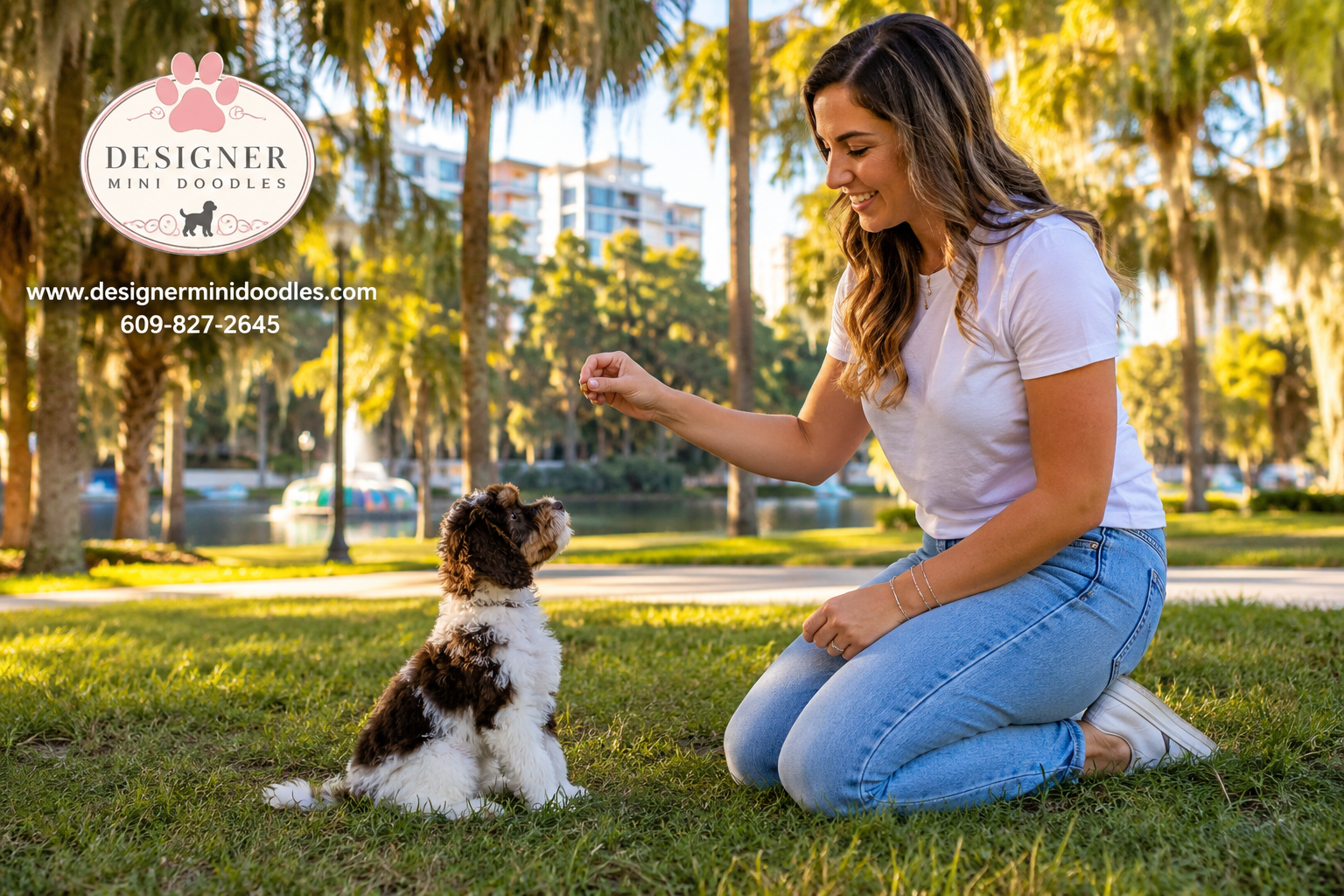
Start training your toy poodle puppy the day you bring it home. These dogs learn fast — most toy poodles can master basic commands (sit, stay, come, down) within one to two weeks of consistent practice.
Training cost estimates in Orlando (2026):
| Training Type | Cost Range | Duration |
|---|---|---|
| Group puppy class | $100–$200 | 6–8 weeks |
| Private in-home training | $75–$150/session | Varies |
| Board-and-train program | $1,500–$3,000 | 2–4 weeks |
| Online course | $30–$100 | Self-paced |
Top training tips specific to toy poodles:
- Use tiny treats. Break training treats into pea-sized pieces to avoid overfeeding.
- Keep sessions short. Five to ten minutes, three times daily, beats one long session.
- Never use harsh corrections. Toy poodles are sensitive dogs. Yelling or physical punishment causes fear-based behavioral problems.
- Prioritize potty training. Small bladders mean more frequent trips outside. Puppies from Designer Mini Doodles arrive with housebreaking already well-started through their early training protocols, but consistency at home is still essential.
- Socialize extensively between 8 and 16 weeks. This critical window shapes your puppy’s lifelong temperament.
For a complete training roadmap, see our guide to training smart toy poodle puppies at home.
Common Mistakes New Toy Poodle Owners Make
Even experienced dog owners make breed-specific errors with toy poodles. Avoiding these mistakes will save you money, stress, and trips to the vet.
- Carrying the puppy everywhere. This prevents proper socialization and teaches the dog that the ground is scary. Let your puppy walk on its own as much as possible.
- Skipping dental care. Toy breeds develop dental disease faster than larger dogs. Brush teeth at least three times per week starting in puppyhood.
- Overfeeding. A toy poodle only needs about 200 to 300 calories per day. Even small amounts of extra food lead to obesity, which worsens joint problems.
- Inconsistent grooming. Waiting too long between grooming sessions leads to painful matting.
- Treating the dog like a baby instead of a dog. Toy poodles are intelligent, athletic animals. They need mental stimulation, training, and boundaries — not just cuddling.
- Ignoring early signs of patellar luxation. If your puppy occasionally skips or hops on a back leg, see a vet promptly.
- Buying from unverified online sellers. Scams targeting toy poodle buyers are common. Always verify breeder credentials, visit in person or via video call, and never wire money to a stranger.
Where Can I Adopt a Toy Poodle Puppy Near Me?
Purebred toy poodles are less common in shelters than mixed breeds, but Orlando-area rescue organizations do occasionally have them available. Adoption fees typically range from $150 to $500 and usually include spay/neuter, vaccinations, and microchipping.
Orlando-area rescue options:
- Florida Poodle Rescue: A statewide organization that rehomes poodles of all sizes. They maintain a waitlist for toy poodle-specific requests.
- Pet Rescue by Judy (Sanford, FL): One of Central Florida’s largest no-kill rescues. They occasionally receive toy poodles and poodle mixes.
- SPCA of Central Florida: Check their website regularly, as small purebreds get adopted quickly.
- Petfinder.com: Filter by breed, size, and zip code to find toy poodles within driving distance of Orlando.
Reality check: Rescue toy poodles are typically adults, not puppies. If you specifically want a puppy with known health history and predictable temperament, purchasing from a breeder like Designer Mini Doodles — which provides full AKC registration, health clearances, and ENS socialization from birth — is the more reliable path. Visit www.designerminidoodles.com or call 609-827-2645 to inquire about available toy poodle puppies.
Why Orlando Is an Ideal City for Toy Poodle Owners
Orlando’s climate, lifestyle, and pet-friendly infrastructure make it one of the best cities in the Southeast for toy poodle ownership. The city’s abundance of dog-friendly parks, outdoor dining patios, and pet supply stores means your toy poodle will have no shortage of socialization opportunities.
Orlando advantages for toy poodle owners:
- Year-round outdoor access: Mild winters mean consistent walking and socialization schedules.
- Pet-friendly housing: Many Orlando apartment complexes and condos welcome small dogs under 20 pounds with reduced or waived pet deposits.
- Excellent veterinary care: Orlando is home to multiple veterinary specialty hospitals, including the University of Florida’s satellite clinics.
- Active dog community: Dog parks like Barber Park, Dr. Phillips Dog Park, and Fleet Peeples Park provide safe off-leash areas.
Caution: Orlando’s summer heat and humidity can be dangerous for small dogs. Always provide fresh water, limit outdoor time during the hottest hours, and watch for signs of heat stress including excessive panting, drooling, or lethargy.
Frequently Asked Questions
How long do toy poodles live?
Toy poodles have one of the longest lifespans of any dog breed, typically living 10 to 18 years. Dogs from health-tested parents with proper veterinary care often reach the upper end of that range.
Do toy poodles bark a lot?
Toy poodles can be vocal, especially if under-stimulated or anxious. Consistent training and adequate mental enrichment significantly reduce excessive barking. They are alert dogs and will bark to notify you of visitors or unusual sounds.
Are toy poodles hypoallergenic?
No dog is 100% hypoallergenic, but toy poodles are among the most allergy-friendly breeds. Their curly coat traps dander and they don’t shed, which dramatically reduces allergen levels in the home.
Can toy poodles be left alone during the workday?
Adult toy poodles can handle 4 to 6 hours alone with proper training. Puppies under 6 months should not be left alone for more than 2 to 3 hours. Crate training and gradual alone-time conditioning help prevent separation anxiety.
What colors do toy poodles come in?
The AKC recognizes toy poodles in black, white, cream, apricot, red, brown, silver, blue, gray, silver beige, and cafe au lait. Parti-colored (two-tone) and phantom patterns are also available from select toy poodle breeders.
How big do toy poodles get?
Toy poodles reach their full adult size by 6 to 9 months of age. They stand no more than 10 inches at the shoulder and weigh between 4 and 6 pounds.
Do toy poodles need a lot of exercise?
Toy poodles need 20 to 30 minutes of daily exercise, which can include walks, indoor play, and mental stimulation games. They are adaptable and don’t require a yard, making them ideal for Orlando apartments and condos.
When should I start grooming my toy poodle puppy?
Begin gentle brushing and handling at 8 weeks old. Schedule the first professional grooming appointment around 12 to 16 weeks, after your puppy has received at least two rounds of vaccinations.
Is pet insurance worth it for a toy poodle?
Yes. Given the breed’s predisposition to patellar luxation and dental issues, pet insurance (typically $30 to $60/month for a toy poodle) can save thousands in unexpected veterinary bills. Enroll while your puppy is young and healthy to avoid pre-existing condition exclusions.
How do I know if a toy poodle breeder is reputable?
Look for AKC registration, documented health testing (OFA, CERF, genetic panels), a clean facility, willingness to show you the parents, a written health guarantee, and a contract that includes a return policy. Breeders who have been in operation for many years — like Designer Mini Doodles with their 16-year track record — provide the strongest assurance of quality.
Can I fly with a toy poodle?
Yes. Most airlines allow toy poodles in the cabin in an approved carrier because they fall well under the typical 20-pound weight limit. Toy poodles are among the most travel-friendly breeds available.
Conclusion
Finding the right toy poodle puppy in Orlando comes down to three things: choosing a reputable breeder, preparing your home and budget, and committing to consistent care and training. The breed’s intelligence, hypoallergenic coat, and compact size make it an outstanding choice for Orlando residents across all living situations — from downtown apartments to suburban family homes.
Your next steps:
- Set your budget. Plan for $2,000 to $4,500 for the puppy plus $1,500 for first-year supplies and veterinary care.
- Contact a proven breeder. Reach out to Designer Mini Doodles at www.designerminidoodles.com or call 609-827-2645 to ask about available AKC toy poodle puppies. With 16 years as America’s top toy poodle breeder, ENS socialization from birth, and early housebreaking on every puppy, they set the standard for quality.
- Prepare your home. Puppy-proof your space, purchase a crate, and stock up on small-breed puppy food.
- Schedule a vet appointment. Book your first veterinary visit for within 72 hours of bringing your puppy home.
- Start training early. Enroll in a puppy class or begin positive reinforcement training at home from day one.
A well-bred, well-socialized toy poodle from a responsible breeder will be your loyal companion for 10 to 18 years. Take the time to do this right, and you’ll have a relationship that enriches every day of your life in Orlando.
References
- American Kennel Club. “Poodle (Toy) Breed Information.” AKC, 2025. https://www.akc.org/dog-breeds/poodle-toy/
- Orthopedic Foundation for Animals. “Breed Statistics: Poodle (Toy).” OFA, 2024. https://ofa.org/
- Coren, Stanley. The Intelligence of Dogs. Free Press, 2006.
Tags: toy poodle puppies Orlando, toy poodle breeders Florida, AKC toy poodle, toy poodle price, toy poodle grooming, toy poodle training, Orlando dog breeders, toy poodle health, small dog breeds, hypoallergenic puppies, Designer Mini Doodles, Central Florida puppies