
Last updated: July 9, 2026
Quick Answer
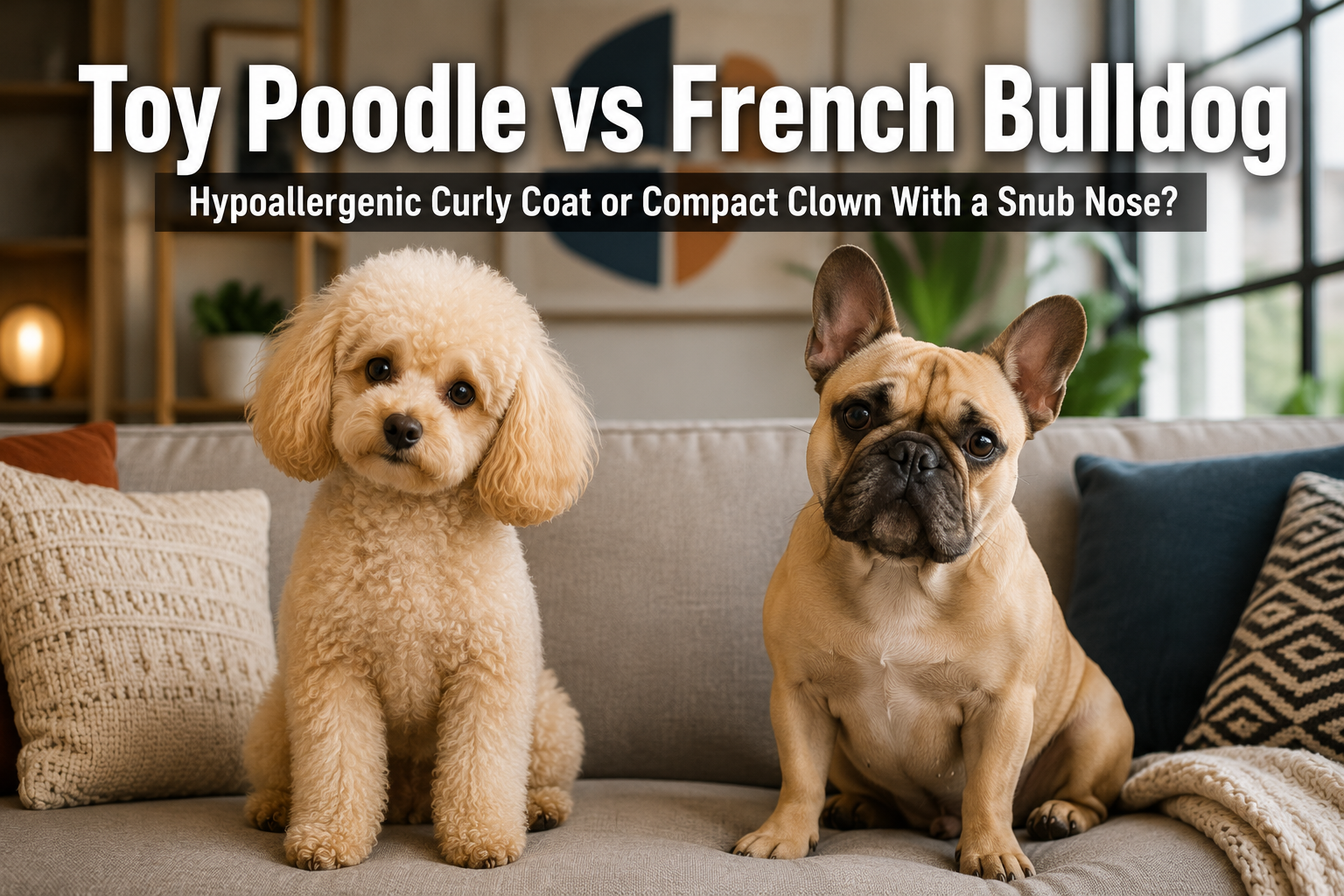
The Toy Poodle and French Bulldog are both excellent small-breed companions for apartment living, but they differ sharply in coat type, health risks, and long-term costs. Toy Poodles produce far less dander and shed minimally, making them the better pick for allergy-sensitive households. French Bulldogs are lower-maintenance on grooming but carry significant brachycephalic health risks that can drive veterinary bills much higher. Choosing between a Toy Poodle vs French Bulldog — hypoallergenic curly coat or compact clown with a snub nose — ultimately depends on whether grooming commitment or potential medical expenses concerns you more.
Key Takeaways
- Toy Poodles are low-shedding and considered hypoallergenic, but no dog breed is 100% allergen-free [1][2].
- French Bulldogs shed moderately year-round and are not suitable for allergy sufferers.
- Brachycephalic obstructive airway syndrome (BOAS) affects a large percentage of French Bulldogs and can require costly surgery [3][5].
- Toy Poodles live an average of 12 to 18 years, while French Bulldogs average 10 to 12 years [4][7].
- French Bulldogs are heat-sensitive and struggle in warm climates; Toy Poodles tolerate a wider temperature range.
- Toy Poodles need professional grooming every 4 to 6 weeks; French Bulldogs need only basic brushing and skin-fold cleaning.
- Estimated first-year costs for a French Bulldog often exceed those of a Toy Poodle due to higher medical expenses.
- Toy Poodles rank among the most trainable small breeds; French Bulldogs are willing but more stubborn.
- Both breeds adapt well to apartments, but for different reasons: Poodles are quiet and agile, Frenchies are calm and low-energy.
What’s the Difference Between Toy Poodles and French Bulldogs?
These two breeds share a size bracket but almost nothing else. The Toy Poodle is an athletic, curly-coated dog bred from working retrievers, standing under 10 inches tall and weighing 4 to 6 pounds [4]. The French Bulldog is a stocky, flat-faced companion breed that typically weighs 16 to 28 pounds, with a short smooth coat and distinctive bat ears [3].
Key structural differences at a glance:
| Feature | Toy Poodle | French Bulldog |
|---|---|---|
| Weight | 4-6 lbs | 16-28 lbs |
| Height | Up to 10 inches | 11-13 inches |
| Coat type | Dense, curly, single-layer | Short, smooth, double-layer |
| Shedding level | Very low | Moderate |
| Skull shape | Normal (mesocephalic) | Flat-faced (brachycephalic) |
| AKC group | Non-Sporting (Toy variety) | Non-Sporting |
| Typical lifespan | 12-18 years | 10-12 years |
The Poodle’s curly coat traps loose hair and dander, which is why the breed is so often recommended for allergy sufferers. The French Bulldog’s short coat sheds freely, and its skin folds can harbor bacteria and yeast if not cleaned regularly. For families exploring hypoallergenic Toy Poodle puppies for allergy-sensitive homes, the difference in dander production is significant.
Are Toy Poodles Actually Hypoallergenic?
Toy Poodles are among the most hypoallergenic dog breeds available, but “hypoallergenic” does not mean allergen-free. All dogs produce the protein Can f 1 in their saliva, urine, and skin cells. What makes Poodles different is that their tightly curled coat traps dander and loose hair instead of releasing it into the air [1][2].
According to allergy specialists, Poodle owners report fewer allergic reactions compared to owners of shedding breeds because airborne allergen levels stay lower in the home [8]. However, direct contact with a Poodle’s saliva or skin can still trigger symptoms in highly sensitive individuals [6].
Practical steps to reduce allergens further:
- Bathe the Toy Poodle every 3 to 4 weeks
- Use a HEPA air purifier in the main living area
- Wash dog bedding weekly in hot water
- Keep the dog out of the bedroom if allergies are severe
“No dog breed is truly hypoallergenic, but Poodles produce significantly less airborne dander than most breeds due to their unique coat structure.” [2]
Choose a Toy Poodle if allergies are a household concern. Choose a French Bulldog only if no one in the home has pet dander sensitivity.
Do French Bulldogs Shed More Than Toy Poodles?
Yes, French Bulldogs shed noticeably more. Their short double coat releases hair steadily throughout the year, with heavier shedding during seasonal changes in spring and fall. Toy Poodles, by contrast, shed so little that most owners never find loose hair on furniture or clothing [1][9].
This shedding difference has real implications for daily life:
- Furniture and clothing: French Bulldog owners need lint rollers and frequent vacuuming. Toy Poodle owners rarely deal with loose hair.
- Air quality: Shed hair carries dander. Homes with French Bulldogs have measurably higher airborne allergen levels.
- Cleaning time: Expect to spend 15 to 30 extra minutes per week on cleaning with a French Bulldog compared to a Toy Poodle.
Toy Poodle vs French Bulldog Temperament: Which Is Better?
Both breeds make affectionate companions, but their personalities suit different lifestyles. Toy Poodles are alert, eager to please, and highly intelligent. They thrive on mental stimulation and can learn complex tricks quickly. French Bulldogs are easygoing, playful, and famously clownish — they entertain their owners with goofy antics but can be stubborn during training [4][3].
Temperament comparison:
- Energy level: Toy Poodles are moderately active and enjoy short walks plus indoor play. French Bulldogs are low-energy and content with minimal exercise.
- Separation anxiety: Both breeds bond closely with owners. Toy Poodles may bark when left alone; French Bulldogs may become destructive.
- Sociability: Toy Poodles can be reserved with strangers but warm up quickly with proper socialization strategies. French Bulldogs are generally friendly with everyone.
- Noise: Toy Poodles are more vocal. French Bulldogs bark less but snore, snort, and wheeze audibly.
Choose a Toy Poodle if you want a trainable, mentally sharp companion. Choose a French Bulldog if you prefer a laid-back, low-exercise dog that makes you laugh.
Toy Poodle Curly Coat Maintenance: How Often to Groom
Toy Poodles need professional grooming every 4 to 6 weeks without exception. Their curly coat grows continuously (similar to human hair) and mats quickly if neglected. Between professional sessions, daily brushing for 5 to 10 minutes prevents tangles and keeps the coat healthy [4].
A basic Toy Poodle grooming routine includes:
- Daily brushing with a slicker brush
- Professional bath and haircut every 4 to 6 weeks
- Ear cleaning weekly (Poodles are prone to ear infections)
- Nail trimming every 2 to 3 weeks
- Teeth brushing 3 to 4 times per week
For specific coat-color care, owners of apricot Toy Poodles can find tailored advice in this guide on grooming and trimming apricot Toy Poodle coats. General puppy grooming tips are also covered in this grooming guide for fluffy Toy Poodle puppies.
Common mistake: Skipping brushing for even a week can cause mats that are painful to remove and may require shaving the coat down completely.
Toy Poodle Grooming Requirements vs French Bulldog
French Bulldogs require far less grooming time but have their own maintenance needs. A weekly brush with a rubber grooming mitt removes loose hair. However, their facial skin folds must be cleaned and dried every 1 to 2 days to prevent bacterial and yeast infections [3].
| Grooming Task | Toy Poodle | French Bulldog |
|---|---|---|
| Brushing frequency | Daily | Weekly |
| Professional grooming | Every 4-6 weeks | Rarely needed |
| Bathing | Every 3-4 weeks | Every 4-8 weeks |
| Special care area | Ears (infection-prone) | Skin folds (infection-prone) |
| Annual grooming cost (estimate) | $600-$1,200 | $100-$300 |
The trade-off is clear: Toy Poodles cost more to groom but shed less and smell less. French Bulldogs are cheaper to groom but require diligent skin-fold hygiene.
Do French Bulldogs Have Breathing Problems?
Yes, and this is the single most important health consideration for the breed. French Bulldogs are brachycephalic, meaning their skulls are shortened, which compresses their airways. Brachycephalic obstructive airway syndrome (BOAS) affects a significant portion of the breed and can cause chronic breathing difficulty, exercise intolerance, and overheating [3][5].
Tufts University veterinary experts have raised concerns about the breed’s rising popularity despite these structural health issues [5]. Symptoms of BOAS include:
- Loud snoring and snorting even at rest
- Gagging or retching after eating
- Collapse or fainting during exercise or in heat
- Blue-tinged gums during exertion
Surgical intervention (soft palate resection, nares widening) can cost $2,000 to $5,000 and is needed in moderate to severe cases. Not every French Bulldog will need surgery, but owners should budget for the possibility.
French Bulldog Snub Nose Problems Explained
The flat face that gives French Bulldogs their signature look is also the source of their most serious health challenges. Beyond BOAS, the snub nose contributes to:
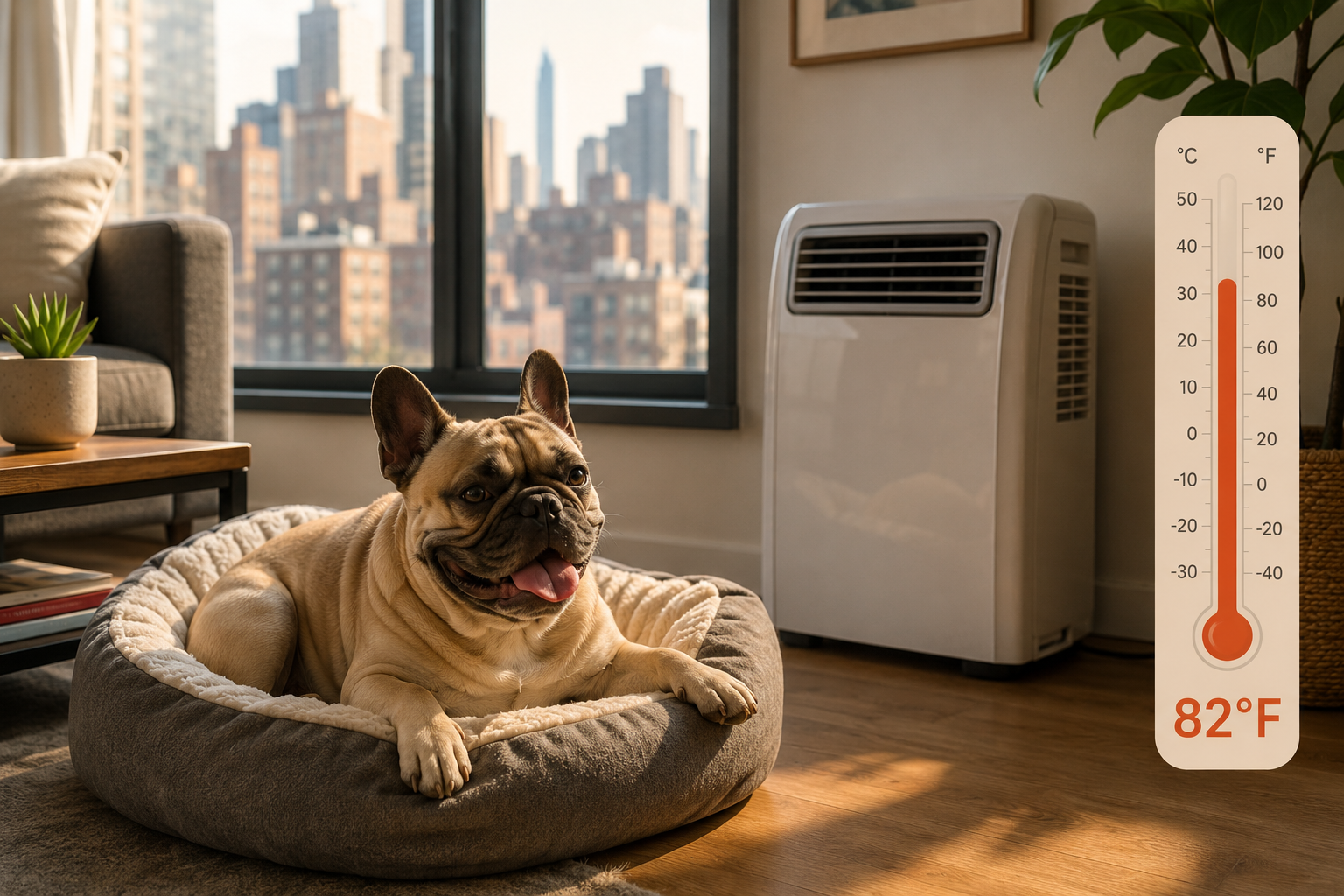
- Heat intolerance: French Bulldogs cannot pant efficiently to cool themselves. Temperatures above 80 degrees Fahrenheit can be dangerous [3].
- Dental crowding: The shortened jaw compresses teeth, leading to higher rates of dental disease.
- Eye problems: Shallow eye sockets make the eyes more vulnerable to injury and chronic irritation.
- Sleep apnea: Many French Bulldogs experience disrupted sleep due to airway obstruction.
For apartment owners in warm-climate cities like Miami, Phoenix, or Houston, a French Bulldog requires air conditioning at all times during summer months. This adds to utility costs and limits outdoor activity to early morning or late evening.
Toy Poodle Health Issues to Watch For
Toy Poodles are generally healthy but have their own breed-specific risks. Common conditions include [4][7]:
- Luxating patella: The kneecap slips out of place, causing intermittent lameness. Surgery costs $1,500 to $3,500 per knee.
- Progressive retinal atrophy (PRA): A genetic eye disease that can lead to blindness. Reputable breeders test for this.
- Legg-Calve-Perthes disease: Degeneration of the hip joint, typically appearing before age 1.
- Dental disease: Small mouths mean crowded teeth and higher tartar buildup.
- Hypoglycemia: Especially in puppies, low blood sugar can cause weakness or seizures.
Owners should prioritize breeders who perform genetic health testing. For guidance on selecting well-bred puppies, see this resource on Toy Poodle puppies with outstanding pedigrees.
A proactive vet care schedule, including the right vaccination and vet care plan, helps catch issues early.
Toy Poodle vs French Bulldog Lifespan and Vet Costs
Toy Poodles live significantly longer — 12 to 18 years compared to the French Bulldog’s 10 to 12 years [4][7]. That longer lifespan means more years of companionship but also more total years of care expenses.
However, the annual vet cost per year tends to be higher for French Bulldogs because of their structural health problems.
Estimated annual veterinary costs:
| Cost Category | Toy Poodle | French Bulldog |
|---|---|---|
| Routine wellness exams | $200-$400 | $200-$400 |
| Breed-specific conditions | $200-$800 | $500-$2,000+ |
| Emergency/surgery risk | Moderate | High |
| Estimated total annual vet cost | $400-$1,200 | $700-$2,400 |
French Bulldog owners should also factor in pet insurance, which typically costs more for brachycephalic breeds due to higher claim rates.
How Much Do Toy Poodles and French Bulldogs Cost?
Purchase prices for both breeds vary widely based on breeder reputation, location, and pedigree. As of 2026, expect these ranges:
- Toy Poodle from a reputable breeder: $1,500 to $3,500
- French Bulldog from a reputable breeder: $2,500 to $5,500 (higher due to artificial insemination and C-section delivery costs common in the breed)
First-year total cost of ownership (estimated):
- Toy Poodle: $3,500 to $6,000 (purchase + supplies + grooming + vet)
- French Bulldog: $4,500 to $8,500 (purchase + supplies + potential medical needs + vet)
The French Bulldog’s higher upfront and ongoing costs are driven primarily by breeding expenses passed to buyers and the breed’s elevated health risks.
Which Breed Is Better for Apartments: Toy Poodle or French Bulldog?
Both breeds are excellent apartment dogs, but for different reasons. Toy Poodles are small, quiet (relative to other small breeds), and agile enough to get adequate exercise indoors. French Bulldogs are calm, low-energy, and happy to lounge on the couch most of the day.
Choose a Toy Poodle for apartment living if:
- You want a dog under 6 pounds that’s easy to carry
- Noise complaints from neighbors are a concern (Poodles can be trained to limit barking)
- You live in a warm climate without reliable air conditioning
- Anyone in the household has allergies
Choose a French Bulldog for apartment living if:
- You prefer a sturdier small dog (16-28 lbs)
- You have very limited time for daily walks (Frenchies need only 15-20 minutes)
- Your apartment has consistent air conditioning
- No one in the home has pet allergies
For more on making small-space living work with a Toy Poodle, see this guide on Toy Poodle puppies for small apartments and condos.
Which Breed Is Easier to Train: Poodle or French Bulldog?
Toy Poodles are significantly easier to train. Poodles consistently rank among the top 5 most intelligent dog breeds, and the Toy variety retains that sharp learning ability in a compact package [4]. They respond well to positive reinforcement and can master basic obedience commands in just a few repetitions.
French Bulldogs are intelligent enough to understand commands but often choose not to comply. Their independent streak means training sessions should be kept short (5 to 10 minutes) and reward-heavy.
Training comparison:
- House training: Toy Poodles can be fully house-trained in 2 to 4 weeks with consistency. French Bulldogs may take 4 to 8 weeks.
- Trick learning: Toy Poodles excel at learning advanced tricks and enjoy the mental challenge. French Bulldogs learn basic commands but rarely progress to complex tricks.
- Leash manners: Both breeds do well on leash, though French Bulldogs may pull more due to their stocky build.
Are French Bulldogs Good for First-Time Dog Owners?
French Bulldogs can work for first-time owners who are prepared for the health management involved. Their easygoing temperament and low exercise needs make daily care straightforward. However, the breed’s medical complexity — potential airway surgery, skin infections, spinal issues, and heat sensitivity — can overwhelm new owners who aren’t financially or emotionally prepared [3][5].
A French Bulldog is a good first dog if:
- The owner has pet insurance or an emergency vet fund of at least $3,000
- The home has reliable air conditioning
- The owner is comfortable with regular vet visits (more frequent than average breeds)
A Toy Poodle may be better for first-time owners who:
- Want a healthier breed with fewer emergency vet risks
- Are willing to commit to a grooming schedule
- Prefer a dog that’s highly responsive to training
Frequently Asked Questions
Can Toy Poodles be left alone during work hours?
Adult Toy Poodles can handle 4 to 6 hours alone if given mental enrichment toys and a comfortable space. Puppies should not be left alone for more than 2 to 3 hours. Separation anxiety can develop if alone time is not gradually introduced.
Do French Bulldogs drool a lot?
French Bulldogs drool more than Toy Poodles, especially after eating or drinking. The loose lips and flat face contribute to moderate drooling. Keeping a towel nearby during meals helps manage this.
Which breed is better with children?
Both breeds can be good with children. French Bulldogs are sturdier and tolerate rough play better. Toy Poodles are fragile and do best with gentle, older children. Supervision is always recommended.
How much exercise does each breed need daily?
Toy Poodles need 30 to 45 minutes of activity, split between walks and play. French Bulldogs need only 15 to 25 minutes and should avoid strenuous exercise, especially in warm weather [3].
Can French Bulldogs fly on airplanes?
Many airlines have restricted or banned brachycephalic breeds from cargo holds due to the risk of respiratory distress. Cabin travel may be possible if the dog fits under the seat, but always check airline policies before booking.
Do Toy Poodles bark a lot?
Toy Poodles are more vocal than French Bulldogs and may bark at strangers, noises, or when bored. Consistent training at home can reduce excessive barking significantly.
Which breed smells less?
Toy Poodles generally have less body odor because their coat traps oils rather than releasing them. French Bulldogs can develop a noticeable smell from skin-fold bacteria if hygiene is neglected.
Are there color options for Toy Poodles?
Toy Poodles come in a wide range of solid and parti colors, including black, white, apricot, red, cream, and silver. Families interested in multi-colored options can explore fun-loving parti Toy Poodles.
Is pet insurance more expensive for French Bulldogs?
Yes. Due to higher claim rates for respiratory, spinal, and skin conditions, French Bulldog pet insurance premiums are typically 20% to 40% higher than for Toy Poodles.
Which breed handles hot weather better?
Toy Poodles handle heat reasonably well with access to shade and water. French Bulldogs are heat-sensitive and can develop heatstroke quickly in temperatures above 80 degrees Fahrenheit [3].
Conclusion
The decision between a Toy Poodle and a French Bulldog comes down to a clear set of trade-offs. Toy Poodles demand more grooming time and cost but reward owners with a longer lifespan, fewer health emergencies, and a low-allergen coat. French Bulldogs are lower-maintenance on grooming and charming in temperament, but their brachycephalic structure creates real health risks and higher lifetime veterinary costs.
Actionable next steps:
- Assess your household for allergies. If anyone is sensitive, the Toy Poodle is the clear choice.
- Check your climate. In warm regions without guaranteed air conditioning, avoid French Bulldogs.
- Set a realistic budget. Factor in grooming costs for Poodles and potential surgical costs for Frenchies.
- Visit a reputable breeder. Ask for health testing documentation — genetic screening for Toy Poodles, airway assessments for French Bulldogs.
- Consider your training patience. If a responsive, eager learner matters to you, the Toy Poodle will deliver faster results.
Both breeds can bring years of joy to the right home. The key is matching the breed’s specific needs to your lifestyle, budget, and living situation.