
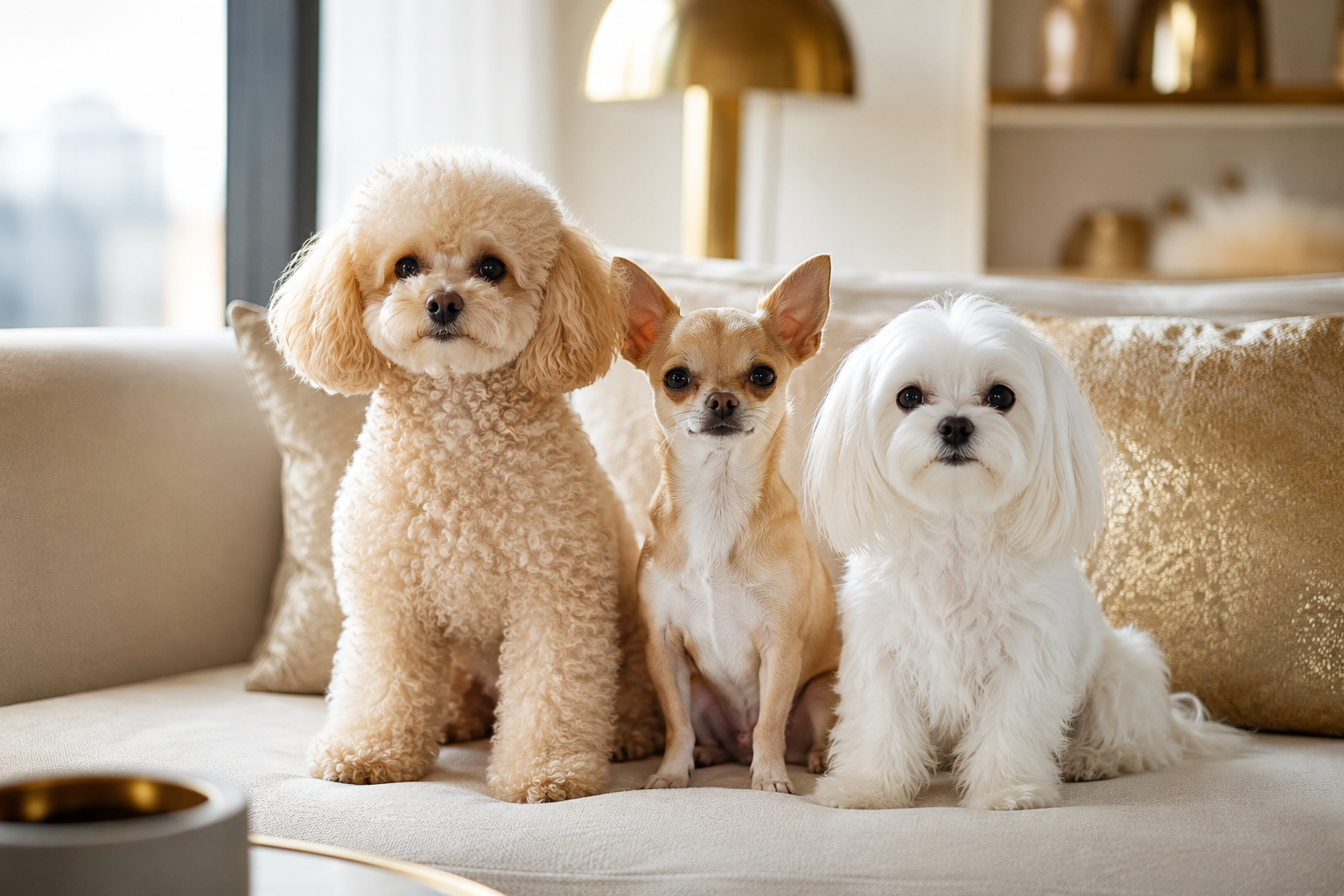
Toy Poodle vs Other Small Dog Breeds: Which Companion Dog Is Really Best for Your Lifestyle?
Quick Answer: Toy Poodles consistently outperform most popular small dog breeds in trainability, hypoallergenic coat quality, and adaptability to apartments and families. They require more grooming than a Chihuahua or Pomeranian, but they shed far less and rank among the smartest of all dog breeds. For allergy-prone households, first-time owners, or anyone living in a smaller space, Toy Poodles are one of the strongest all-around choices in the small dog category.
Toy Poodle vs Other Small Dog Breeds: Which Companion Dog Is Really Best for Your Lifestyle?
- Toy Poodles stand under 10 inches tall and weigh 4 to 9 pounds, placing them squarely in the small companion dog range alongside Chihuahuas, Maltese, and Pomeranians [1].
- Their curly, low-shedding coat is considered hypoallergenic, a major advantage over breeds like Chihuahuas and Pomeranians that shed regularly [5].
- Toy Poodles are ranked among the most intelligent dog breeds, making them significantly easier to train than Chihuahuas or Shih Tzus [5].
- Grooming costs are higher for Toy Poodles (professional grooming every 4 to 6 weeks), but this trade-off means less fur on furniture and fewer allergy triggers.
- Purchase prices for Toy Poodles typically range from $1,000 to $4,000 depending on breeder reputation, color, and lineage [7].
- They need about 1 hour of daily exercise, less than Yorkies but more than some toy breeds [3].
- Toy Poodles live 12 to 15 years on average, with Chihuahuas sometimes living even longer [3][2].
- They adapt well to apartments, families with children, multi-pet homes, and both warm and cool climates [6].
- Common health concerns include luxating patella, progressive retinal atrophy, and dental issues, all manageable with regular veterinary care.
What Exactly Is a Toy Poodle and How Big Do They Get?
A Toy Poodle is the smallest of the three AKC-recognized Poodle sizes (Standard, Miniature, and Toy). They stand no taller than 10 inches at the shoulder and typically weigh between 4 and 9 pounds [1].
Despite their small stature, Toy Poodles carry the same genetics as their larger Standard Poodle relatives. They were originally bred down in size from the Standard Poodle, which was a water retriever in Germany. This heritage explains their athletic build, high intelligence, and strong desire to work alongside people.
For comparison:
BreedHeightWeightLifespanToy PoodleUp to 10 in.4-9 lbs12-15 yearsChihuahua5-8 in.Under 6 lbs14-16 yearsPomeranian6-7 in.3-7 lbs12-16 yearsMaltese7-9 in.Under 7 lbs12-15 yearsYorkshire Terrier7-8 in.Up to 7 lbs11-15 years
Toy Poodles sit on the heavier end of this group, which actually gives them a slight durability advantage over ultra-tiny breeds like Chihuahuas. If you’re exploring the full range of AKC Toy Poodle color varieties, you’ll find they come in over ten recognized solid colors, from black and white to apricot and red.
Are Toy Poodles Good for Apartments or Small Homes?
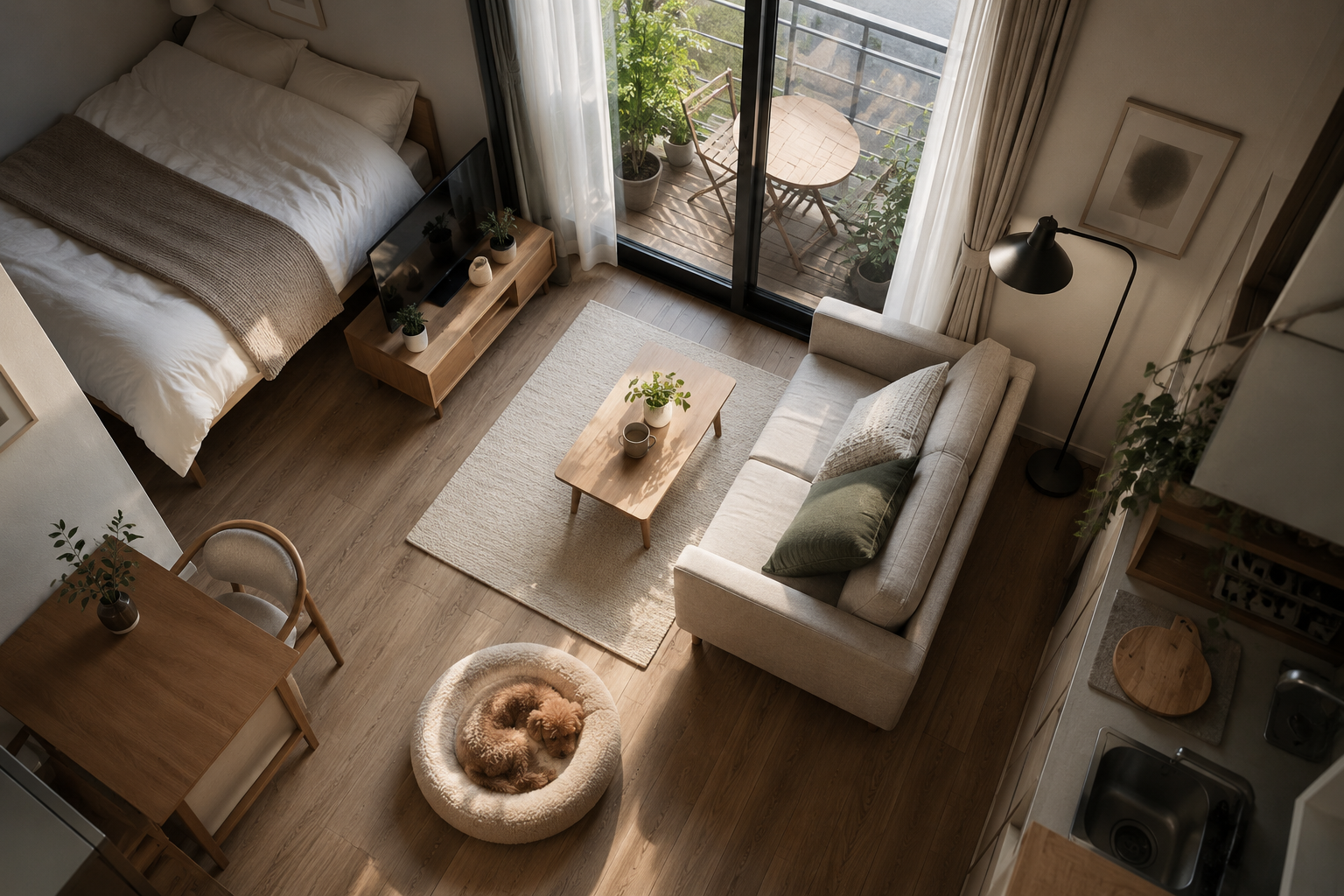
Yes. Toy Poodles are one of the best small breeds for apartment living. Their compact size, moderate energy level, and low-shedding coat make them well-suited to smaller spaces [6].
Unlike some small breeds that bark excessively (Chihuahuas and Pomeranians are known for this), Toy Poodles can be trained to manage barking because they respond so well to commands. They don’t need a yard to burn off energy, though they do benefit from daily walks and indoor play.
Choose a Toy Poodle for an apartment if:
- You want a dog that won’t leave fur on every surface
- Your building has noise restrictions (trainable barking)
- You have limited square footage but can commit to daily walks
A Chihuahua or Pomeranian might be better if:
- You want a lower-maintenance grooming routine
- You prefer a dog that needs slightly less daily exercise
For a deeper look at how Toy Poodles thrive in urban settings, see this guide on black Toy Poodle puppies for city and apartment life.
How Much Do Toy Poodles Cost Compared to Chihuahuas and Maltese?
Toy Poodles from reputable breeders generally cost between $1,000 and $4,000, with pricing influenced by coat color, pedigree, breeder reputation, and geographic location [7]. Rare colors like red or parti can push prices toward the higher end.
Here’s how purchase prices typically compare:
BreedTypical Price RangeToy Poodle$1,000-$4,000Chihuahua$500-$2,500Maltese$1,000-$3,000Pomeranian$1,000-$3,500Yorkshire Terrier$800-$3,000
The upfront cost is only part of the picture. Toy Poodles have higher grooming expenses than most of these breeds, but their hypoallergenic coat and lower veterinary costs related to allergies can offset that over time.
Do Toy Poodles Shed a Lot, or Are They Hypoallergenic?
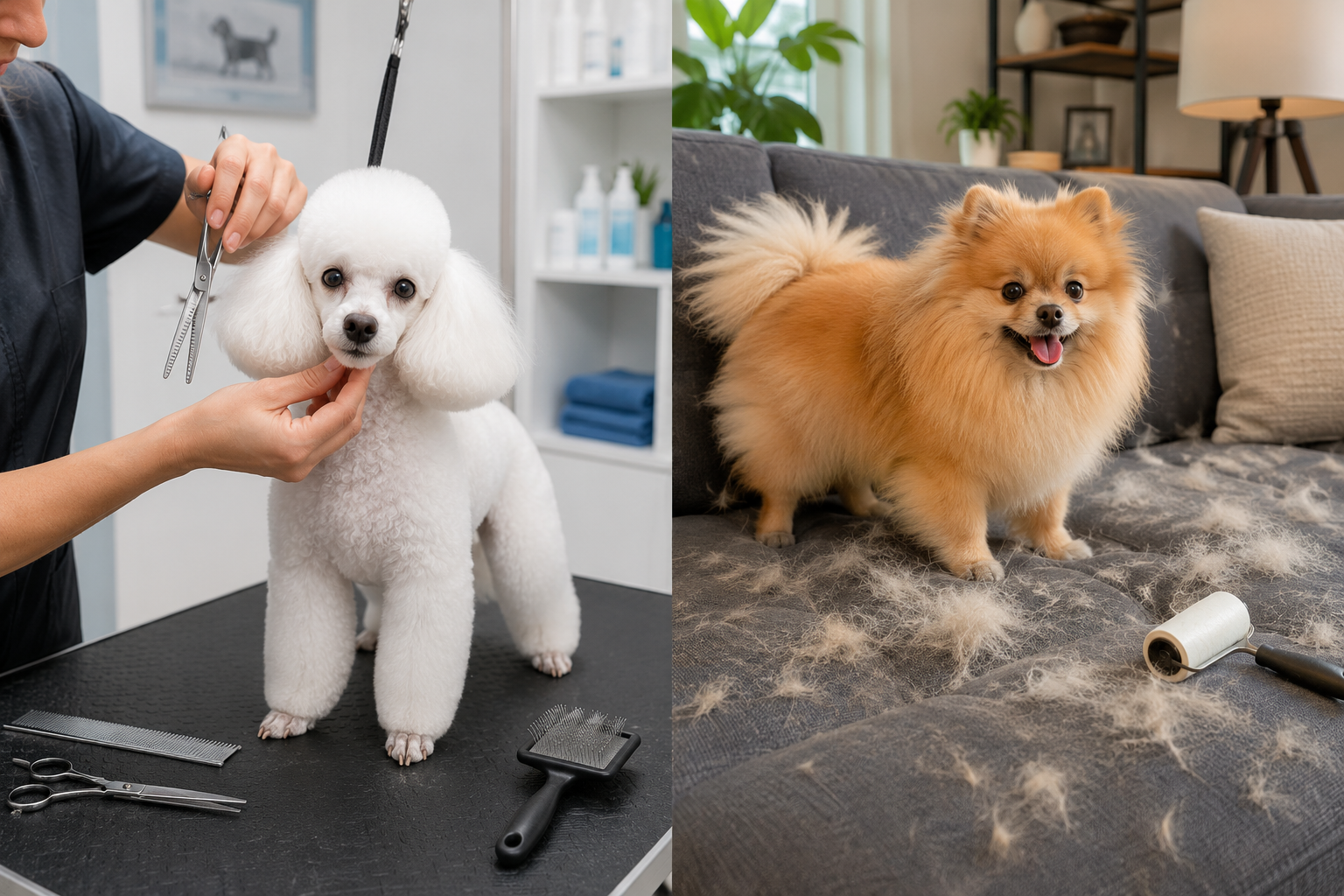
Toy Poodles shed very little. Their tightly curled coat traps loose hair instead of releasing it into the environment, which is why they’re widely considered hypoallergenic [5]. No dog is 100% allergen-free, but Toy Poodles produce significantly fewer airborne allergens than breeds with double coats.
Shedding comparison:
- Toy Poodle: Minimal shedding (hair gets trapped in curls)
- Chihuahua: Moderate shedding, not hypoallergenic [2]
- Pomeranian: Heavy shedding, double coat, not hypoallergenic [2]
- Maltese: Low shedding, often considered hypoallergenic
- Yorkshire Terrier: Low shedding, hair-like coat
The trade-off is grooming. Because shed hair stays in the coat, Toy Poodles need regular brushing (every 1 to 2 days) and professional grooming every 4 to 6 weeks to prevent matting. Learn more about maintaining their coat in this resource on grooming parti Toy Poodles to show off their color.
What Health Problems Are Common in Toy Poodles?
Toy Poodles are generally healthy dogs with a 12- to 15-year lifespan, but they are prone to several breed-specific conditions [3]:
- Luxating patella (kneecap slipping out of place) is one of the most common orthopedic issues
- Progressive retinal atrophy (PRA) can lead to gradual vision loss
- Dental disease affects many toy breeds because their small jaws crowd teeth together
- Hypoglycemia (low blood sugar), especially in puppies and very small adults
- Legg-Calve-Perthes disease, a hip joint condition seen in small breeds
Chihuahuas and Pomeranians share some of these risks, particularly hypoglycemia and dental problems [2]. The key difference is that responsible Toy Poodle breeders routinely test for PRA and patellar luxation, so genetic screening can reduce risk significantly.
Common mistake: Skipping the breeder’s health testing documentation. Always ask for OFA (Orthopedic Foundation for Animals) or equivalent certifications before purchasing. For guidance on veterinary planning, check out this Toy Poodle puppy vaccination and vet care guide.
How Hard Is It to Train a Toy Poodle Compared to Other Small Breeds?
Toy Poodles are among the easiest small dogs to train. They rank in the top 5 of all dog breeds for intelligence and eagerness to please, which means they pick up commands quickly and enjoy the learning process [5].
Trainability ranking (easiest to hardest among popular small breeds):
- Toy Poodle — Highly responsive, loves mental stimulation
- Yorkshire Terrier — Smart and willing, but can be stubborn [4]
- Maltese — Eager to please, though housebreaking can be slow
- Pomeranian — Intelligent but independent-minded
- Chihuahua — Smart but often resistant to commands, requires patience [4]
Toy Poodles excel at obedience, trick training, and even agility courses designed for small dogs. Their intelligence does come with a caveat: they get bored easily. Without mental stimulation, they can develop problem behaviors like excessive barking or destructive chewing.
Edge case: If you’ve never trained a dog before, a Toy Poodle is actually a forgiving first choice because they respond well to positive reinforcement. The resource on Toy Poodle puppies for first-time dog owners covers this in detail.
Are Toy Poodles Good With Kids and Other Pets?
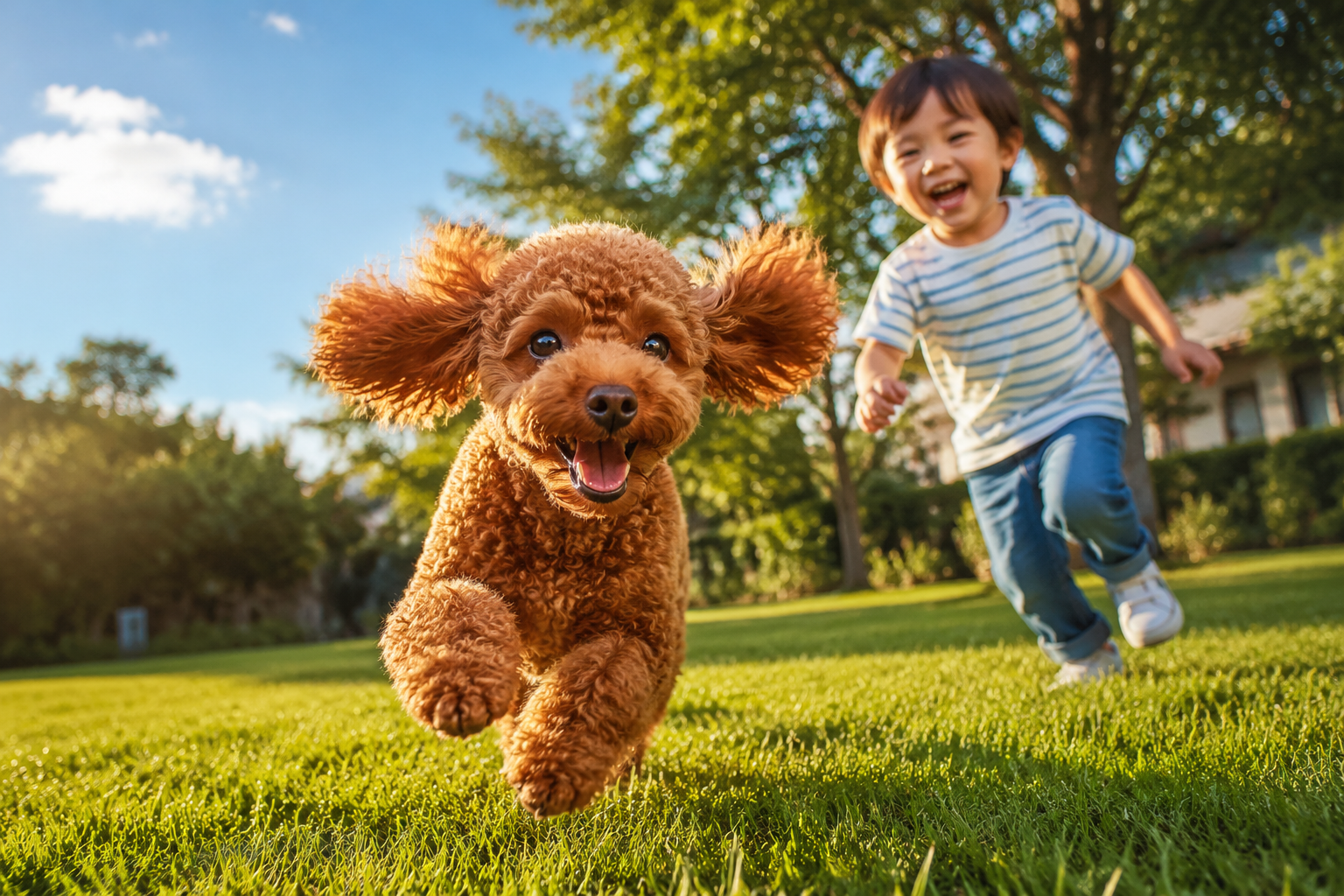
Toy Poodles are family-friendly dogs that generally do well with children and other animals [3]. Their sociable, gentle temperament makes them more tolerant of household activity than many toy breeds.
That said, supervision is essential with very young children. At 4 to 9 pounds, a Toy Poodle can be injured by rough handling. Families with toddlers may want to consider a slightly sturdier breed or a Miniature Poodle (10 to 15 pounds) instead.
Compared to other small breeds with kids:
- Chihuahuas are often better suited to families with older children due to their fragile size and tendency toward snappiness when startled [4]
- Yorkies are affectionate with families but can be territorial [4]
- Pomeranians do well with gentle children but may nip if overwhelmed
For multi-pet households, Toy Poodles tend to adapt well when properly introduced. Their low prey drive (compared to terrier breeds) makes them more compatible with cats and other small animals. See this guide on how to introduce your Toy Poodle to other pets for step-by-step advice.
How Much Exercise and Grooming Do Toy Poodles Really Need?
Toy Poodles need about 1 hour of exercise daily, split between walks, play sessions, and mental enrichment activities [3]. This is moderate compared to other small breeds.
Exercise needs comparison:
BreedDaily ExerciseToy Poodle~60 minutesYorkshire TerrierUp to 120 minutes [4]Chihuahua30-45 minutesPomeranian30-60 minutesMaltese30-45 minutes
Grooming is where Toy Poodles demand more attention than most competitors. Their curly coat requires:
- Brushing: Every 1 to 2 days to prevent mats
- Professional grooming: Every 4 to 6 weeks (expect $40 to $80 per session)
- Ear cleaning: Weekly, as their floppy ears trap moisture
- Dental care: Daily brushing recommended due to crowded teeth
“The grooming commitment is the single biggest surprise for new Toy Poodle owners. Budget both time and money for coat maintenance before bringing one home.”
Which Small Dog Breed Is Best for First-Time Dog Owners?
For first-time owners, the Toy Poodle is one of the top two or three small breed choices. Its high trainability, predictable temperament, and adaptability to different living situations make it a forgiving breed for beginners [5].
Best small breeds for first-time owners, ranked:
- Toy Poodle — Easy to train, hypoallergenic, adaptable
- Cavalier King Charles Spaniel — Gentle, low exercise needs, eager to please
- Maltese — Affectionate, manageable size, low shedding
- Pomeranian — Friendly but requires more patience with training
- Chihuahua — Loyal but can be challenging to housebreak
Choose a Toy Poodle as a first dog if: You want a breed that responds quickly to training, you or a family member has allergies, and you’re willing to invest in regular grooming. For a comprehensive starter plan, review this guide on welcoming Toy Poodle puppies into your family routine.
What Are the Biggest Mistakes People Make When Getting a Toy Poodle?
Even experienced dog owners make avoidable errors with this breed. Here are the most common:
- Underestimating grooming costs and time. A Toy Poodle’s coat isn’t wash-and-go. Skipping grooming leads to painful matting that may require shaving.
- Treating them like a “purse dog.” Toy Poodles are athletic and intelligent. They need real exercise and mental challenges, not just being carried around.
- Skipping socialization. Without early exposure to different people, animals, and environments, Toy Poodles can become anxious or yappy.
- Buying from unscreened breeders. Puppy mills and backyard breeders often skip genetic health testing, increasing the risk of conditions like PRA and luxating patella.
- Ignoring dental health. Small breeds are prone to dental disease, and Toy Poodles are no exception. Daily tooth brushing should start in puppyhood.
- Overfeeding. At 4 to 9 pounds, even a small amount of extra weight puts serious strain on joints and organs.
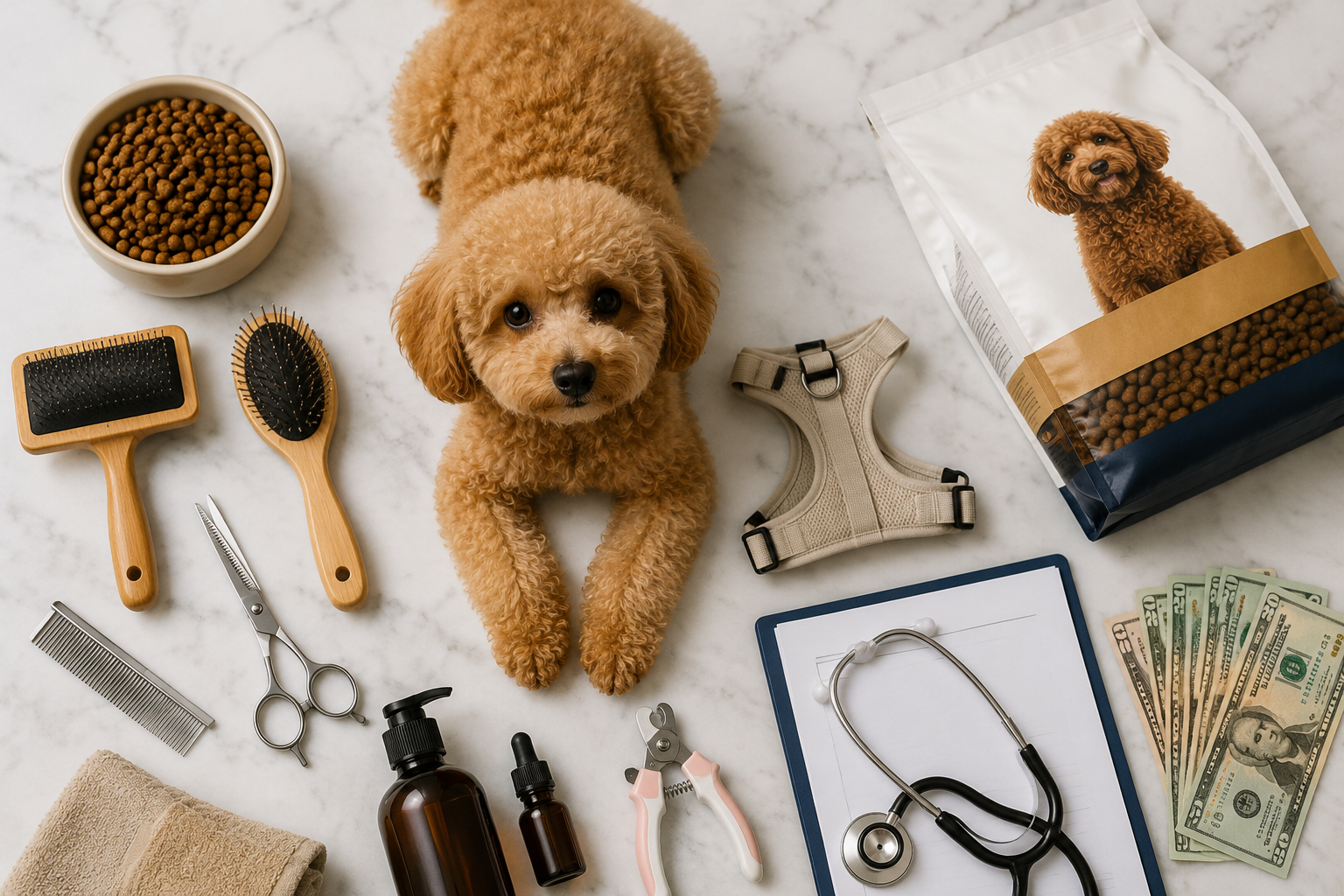
How Expensive Are Toy Poodles to Maintain Yearly?
Annual maintenance costs for a Toy Poodle typically fall between $1,500 and $3,000, depending on location and lifestyle choices.
Estimated yearly cost breakdown:
Expense CategoryEstimated Annual CostFood (premium small-breed formula)$300-$500Professional grooming (8-10 visits)$400-$800Veterinary care (routine)$300-$600Pet insurance$300-$600Toys, treats, supplies$150-$300Total$1,450-$2,800
Compared to a Chihuahua (which needs minimal grooming), a Toy Poodle costs roughly $400 to $800 more per year, almost entirely due to coat maintenance. But for allergy sufferers, that extra grooming expense replaces the cost of air purifiers, allergy medications, and constant cleaning that comes with a shedding breed.
Can Toy Poodles Live Comfortably in Hot or Cold Climates?
Toy Poodles adapt reasonably well to both warm and cool climates, but they need help at temperature extremes. Their single-layer coat provides less insulation than double-coated breeds like Pomeranians, so they feel the cold more quickly. In hot weather, their dark-colored varieties (black, chocolate) can overheat faster than lighter-coated dogs.
Climate tips:
- Cold weather: Use a dog sweater or coat for walks below 40 degrees Fahrenheit. Limit outdoor time in freezing conditions.
- Hot weather: Walk during cooler morning and evening hours. Provide shade and fresh water at all times. Avoid hot pavement.
- Humidity: Their curly coat can trap moisture, increasing the risk of skin infections in humid climates. Regular grooming and drying after baths are essential.
For seasonal care strategies, this guide on seasonal care tips for Toy and Teacup Poodles provides practical month-by-month advice.
Frequently Asked Questions
How long do Toy Poodles live compared to other small breeds?
Toy Poodles live 12 to 15 years on average [3]. Chihuahuas often live 14 to 16 years, making them one of the longest-lived breeds [2]. Both significantly outlive larger dog breeds.
Are Toy Poodles really hypoallergenic?
No dog is truly 100% hypoallergenic, but Toy Poodles produce far less dander and shed far less hair than most breeds [5]. They’re one of the best options for people with mild to moderate pet allergies.
Do Toy Poodles bark a lot?
Toy Poodles can be vocal, but their intelligence makes them highly responsive to bark-control training. They tend to bark less than Chihuahuas and Pomeranians when properly trained.
Can a Toy Poodle be left alone during the workday?
Toy Poodles form strong bonds with their owners and can develop separation anxiety if left alone for more than 4 to 6 hours regularly. Crate training and gradual alone-time conditioning help. See this guide on crate training Toy Poodle puppies the positive way.
Are Toy Poodles fragile?
They’re sturdier than Chihuahuas and Teacup breeds but still small enough to be injured by falls or rough play. Supervision around young children is important.
What’s the difference between a Toy Poodle and a Teacup Poodle?
“Teacup” is not an official AKC size category. Teacup Poodles are simply Toy Poodles bred to be even smaller (often under 4 pounds), which can increase health risks [7].
Is a Toy Poodle or a Maltipoo better?
Toy Poodles are purebred with more predictable traits. Maltipoos (Maltese-Poodle mixes) can vary widely in coat type, size, and temperament. For consistency, a purebred Toy Poodle is the safer bet [5].
Do Toy Poodles need a lot of attention?
Yes. They thrive on human interaction and mental stimulation. They’re not a good fit for owners who are away from home most of the day without arrangements for companionship.
Which is easier to housebreak, a Toy Poodle or a Chihuahua?
Toy Poodles are generally easier to housebreak due to their higher trainability and eagerness to please. Chihuahuas are notoriously difficult to housebreak [4].
Are Toy Poodles good therapy or emotional support dogs?
Absolutely. Their intelligence, calm demeanor, and strong bond with owners make them excellent therapy and emotional support animals.
Conclusion
The question of Toy Poodle vs other small dog breeds really comes down to what matters most in daily life. For allergy-prone households, apartment dwellers, and first-time owners who want a trainable, low-shedding companion, the Toy Poodle is hard to beat. It outperforms Chihuahuas in trainability, Pomeranians in shedding, and most toy breeds in overall versatility.
The honest trade-off is grooming. Budget $400 to $800 per year for professional coat care, and commit to brushing every other day. If that sounds manageable, a Toy Poodle will likely be the most rewarding small dog you’ll ever own.
Actionable next steps:
- Assess your allergy needs, living space, and daily schedule against the comparison tables above
- Research breeders who provide OFA health certifications and genetic testing results
- Budget for both the purchase price ($1,000 to $4,000) and the first year of ownership ($1,500 to $3,000)
- Start with a first-time owner’s guide to Toy Poodles to build a realistic plan before bringing a puppy home